The Billion-Dollar High-Speed Internet Scam
Elizabeth Pierce impressed investors with hefty contracts for fiber—until they learned she was the only one who’d signed them.
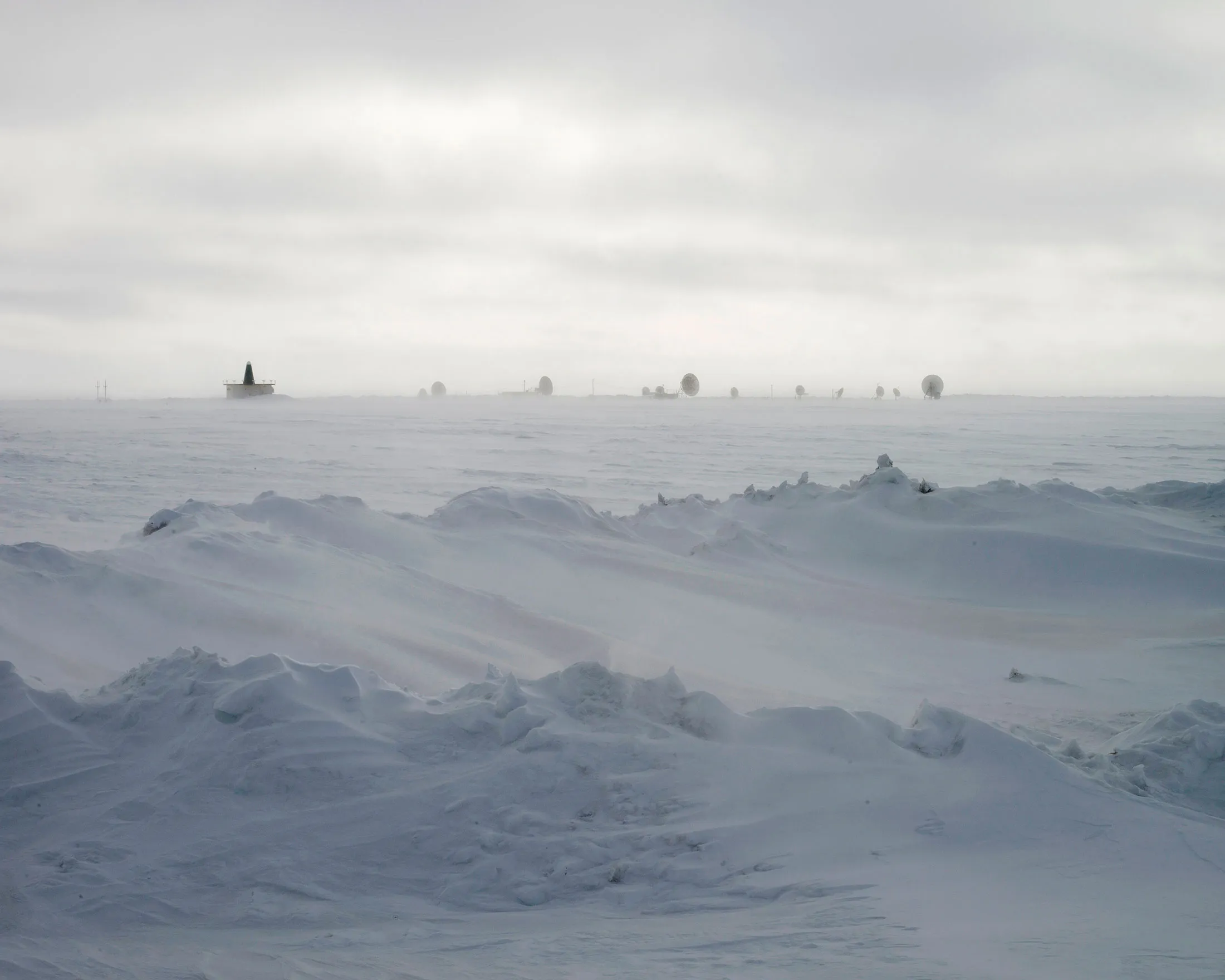
Photographer: Ben Huff for Bloomberg Businessweek

When he discovered that the ship’s underwater plow was stuck at the bottom of the Arctic Ocean, 50 miles off Alaska’s coast, Frank Cuccio thought of Ernest Shackleton. In October 1915, the British explorer was forced to make a desperate escape from the Antarctic after pack ice and floes crushed his ship, the Endurance. The vessel Cuccio was aboard, the Ile de Batz, had been laying fiber-optic cable along the inhospitable route known as the Northwest Passage. But the Ile de Batz’s 55-ton excavator, which had been cutting a trench for the cable, had dug too deep in the hard-clay seabed. If they didn’t unclench it fast, the ocean surrounding them would soon freeze. “I realized we don’t have time to fool around, or we’re going to get trapped in a Shackleton situation,” Cuccio recalls. “The weather was getting uglier, and other ships had been gone for weeks.”
Cuccio worked for Quintillion Subsea Holdings LLC, a telecommunications startup in Anchorage that was trying to build a trans-Arctic data cable it said would improve web speeds for much of the planet. This idea captivated the public, but by the time the Ile de Batz’s plow got stuck, in September 2017, the company was struggling. Co-founder Elizabeth Pierce had resigned as chief executive officer a couple months earlier amid allegations of fraud.