A Meltdown Didn’t Kill Three Mile Island, But Shale Probably Will
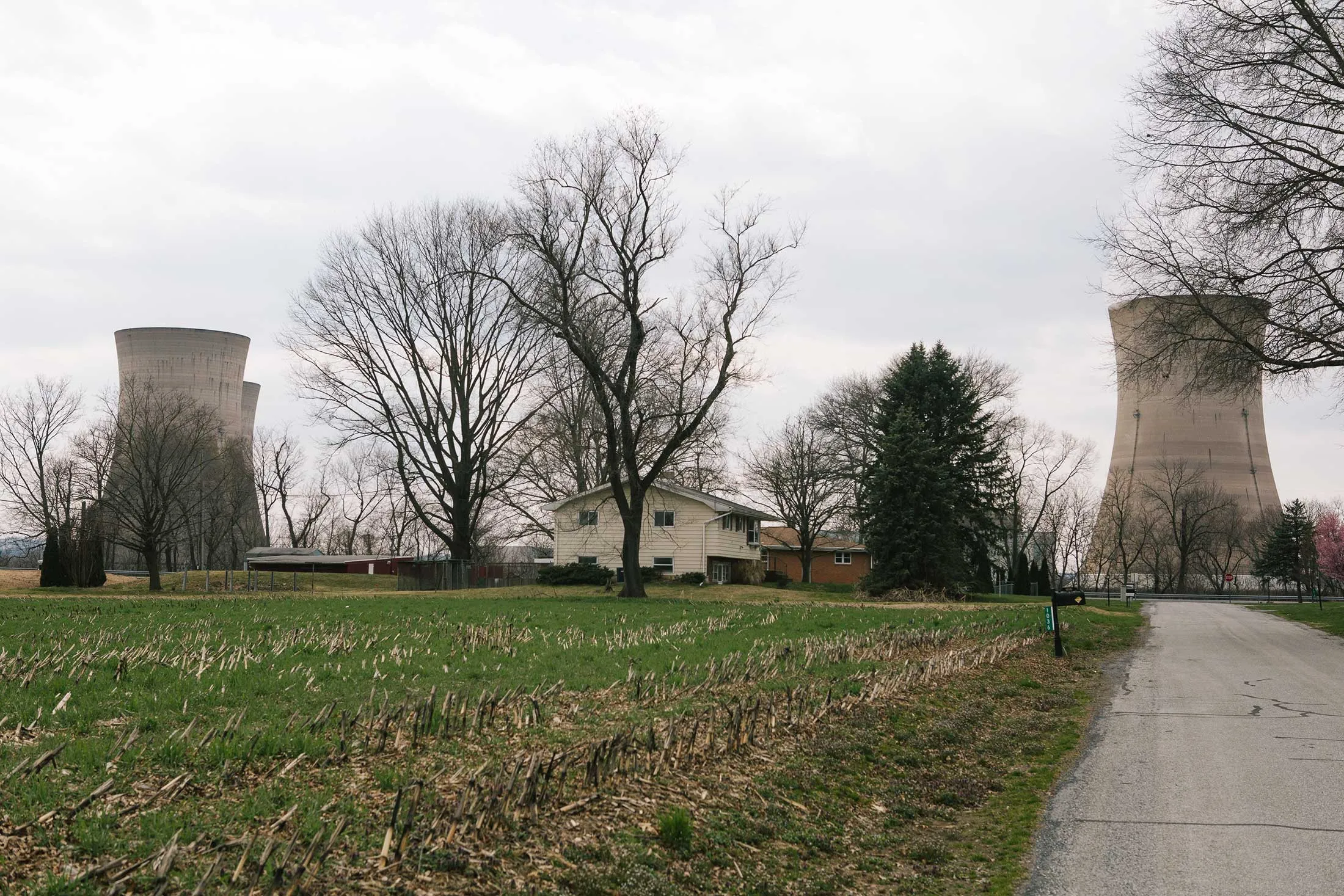
The cooling towers at the Three Mile Island nuclear power plant loom over Pennsylvania’s Londonderry Township on April 11, 2018.
Photographer: Michelle Gustafson/Bloomberg
In his four-decade career at Three Mile Island, Mark Willenbecher has watched the nuclear power plant overcome some towering odds. He was on the job on March 28, 1979, when one of its two reactors experienced the U.S.’s first and only nuclear meltdown. In the ensuing panic, his pregnant wife and young son had to flee their central Pennsylvania home. While citizens in Harrisburg, Pa., and other cities around the country held protests demanding Three Mile Island’s closure, Willenbecher suited up in radiation-protection gear and helped get the facility back online. Today, both of his sons are employed at the plant, where their father is training a new generation of nuclear reactor operators.
It’s not entirely uplifting work, either for Willenbecher or his students, who will wrap up their training next summer. That will be just a few months shy of Sept. 30, which is around when Exelon Corp. plans to take Three Mile Island offline—not because its technology is antiquated and unsafe, but because it’s no longer profitable. “They’re looking at us going, ‘Are we going to have a job?’ ” says Willenbecher, appearing pained in the living room of his split-level home a few miles from the plant, which he calls “a second home.”