Why AI Investors Should Worry About the Self-Driving Car Crash
Robotaxis were supposed to be the easy part of automation. The failure of GM’s effort shows how far the industry is from living up to its wild promises.
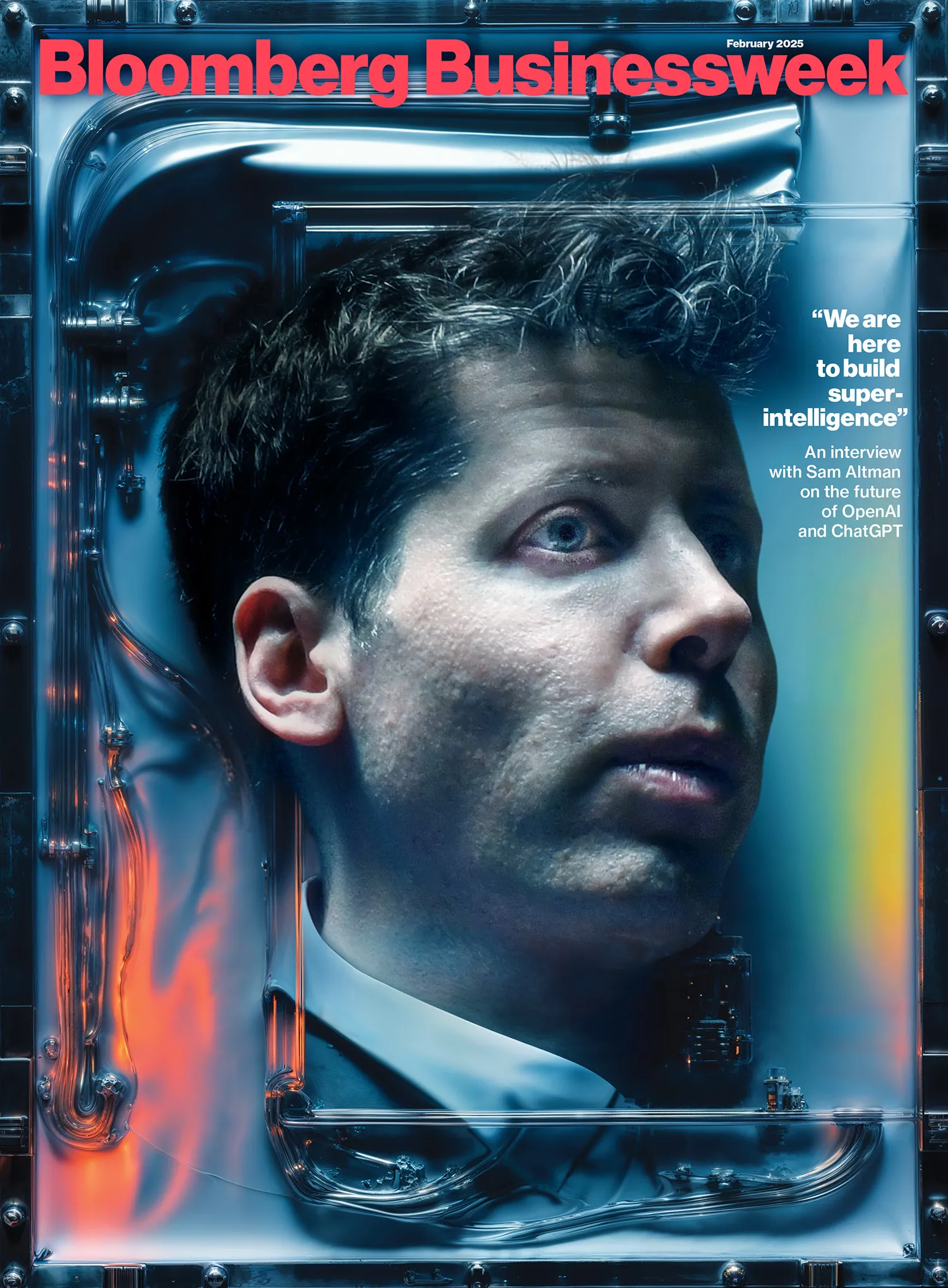
Photo illustration: Matthew Porter for Bloomberg Businessweek
In mid-December, Mary Barra, chief executive officer of General Motors Co., dialed into a conference call with analysts and announced a decision to “realign our autonomous driving strategy.” The company was shutting down development of its driverless cars—run by a subsidiary known as Cruise—and would fold the team into the part of GM that works on software for its regular lineup. Barra said this was about “accelerating the path forward, providing customers meaningful benefits along the way.”
What was presented as a strategy shift was also a profound admission of failure. For years, Barra—like many executives in the tech and auto industries—spun a fantastical vision of the future in which fleets of so-called robotaxis would imminently replace normal cars. The technology was already developed, according to GM’s boss; the only thing left to do was scale it up. “We’re here. It’s happening now,” she boasted at the 2023 South by Southwest Conference in Austin. She routinely claimed that GM, which had revenue of roughly $50 billion in its most recent quarter, would make an additional $50 billion per year from robotaxis by 2030.