Only Sci-Fi Can Drown Manhattan and Make You Want to Live There
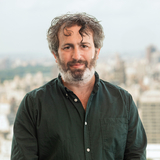

Science fiction writer Kim Stanley Robinson, 64, a self-described suburban guy and househusband, lives with his scientist wife and two adult sons in a decidedly unfuturistic split-level home in Davis, Calif. He writes his novels at a round metal table in the front yard, shaded by tarps and accompanied by the soft sounds of wind chimes and, occasionally, jazz or classic rock playing on a weathered-looking boombox. From there it’s a short walk to the garden, where Robinson tends to beans, cabbage, and broccoli. “It teaches you that we don’t have crops fully whipped,” he says, adding that everyone should try growing plants as a lesson in mortality: “It’s spooky. They die.”
Robinson’s neighbors are largely professors, lawyers, and environmental activists. His subdivision, a post-hippie-era place called Village Homes, has a community-run day-care center, collectively owned orchards, and a tradition of potlucks. Most residences have solar panels on the roofs. These details, rather than zombies (“I hate that stuff, it’s so easy,” he says) or aliens (“I don’t quite believe in those”), creep into his books. In fact, in three decades, Robinson has stuck to penning stories about scientists, not swashbuckling space pirates—though he did set a recent book on an interstellar spaceship. He wanted to argue that we should see ourselves not as a universe-colonizing master race but as an isolated civilization permanently marooned in our little solar system.