A Smaller, Cheaper, Stronger Military
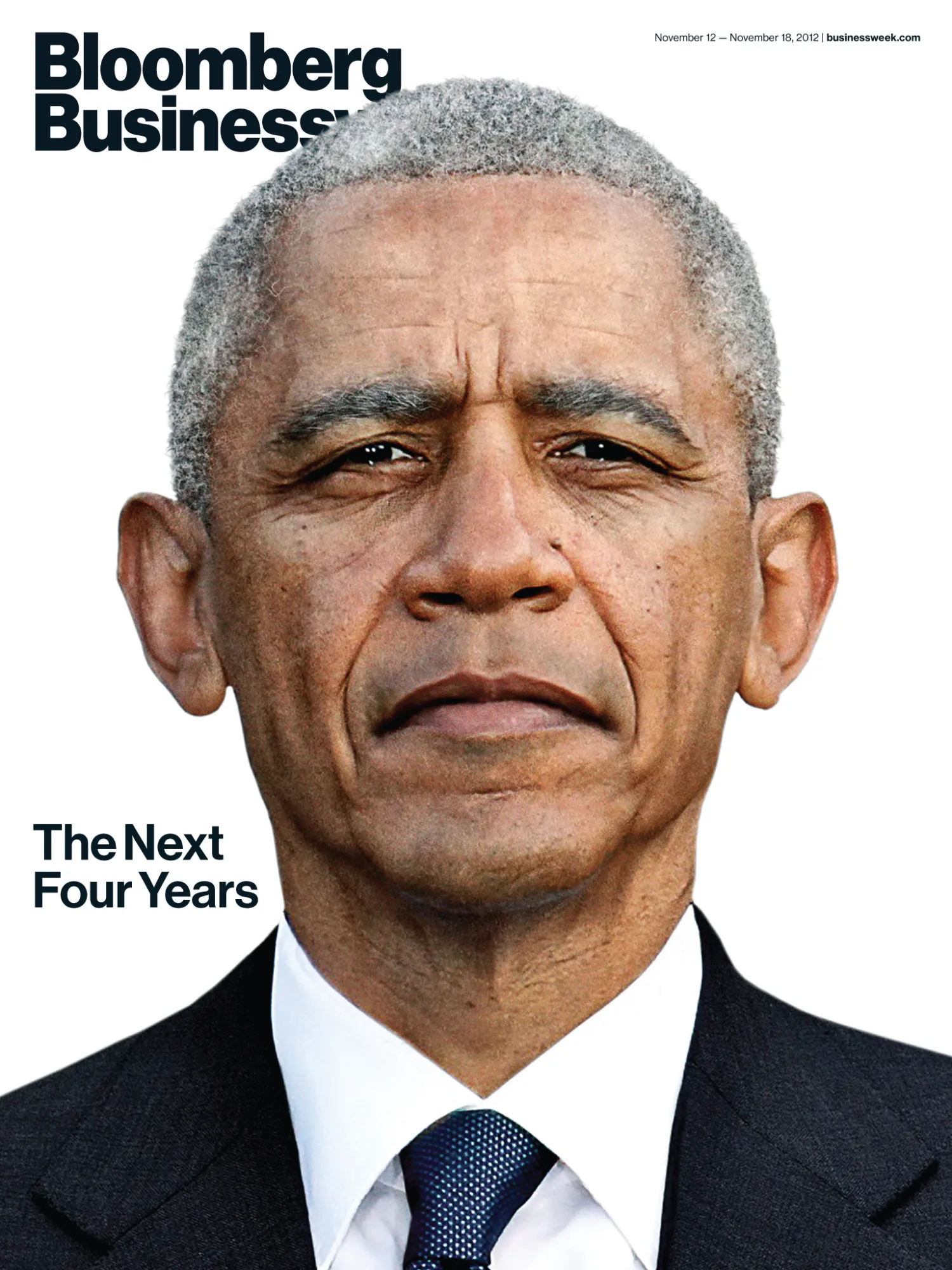
“Gentlemen, we have run out of money. Now we must think.” Winston Churchill said that. Or maybe it was the Nobel-winning physicist Ernest Rutherford. Whatever its provenance, the quip provides a good starting point for discussing the future of American military spending. The U.S. has not, of course, “run out of money” for troops and tanks. Instead, President Obama and Congress have decided that in light of yawning deficits and the end of twin decade-long wars, the nation needs to spend smarter. The administration earlier this year laid out a deficit-conscious defense strategy. It included a $525 billion budget request for fiscal 2013, excluding war costs. The plan trimmed the Defense Department’s projected spending increases over the next decade by $487 billion.
Slowing the rate of growth of military spending is not the same as cutting it. The Obama plan, which Republicans in Congress agreed to, provides for future year spending increases of 1.7 percent in 2014 and 2.2 percent in 2015. Travis Sharp of the Center for a New American Security has crunched the bigger numbers: For the period from 2013 to 2022, Obama would allocate a total of $5.75 trillion to defense. The president spelled out a sensible, if vague, three-part strategy that presumably he’ll now pursue in his second term: