What's Good for GM Is Good for the Economy
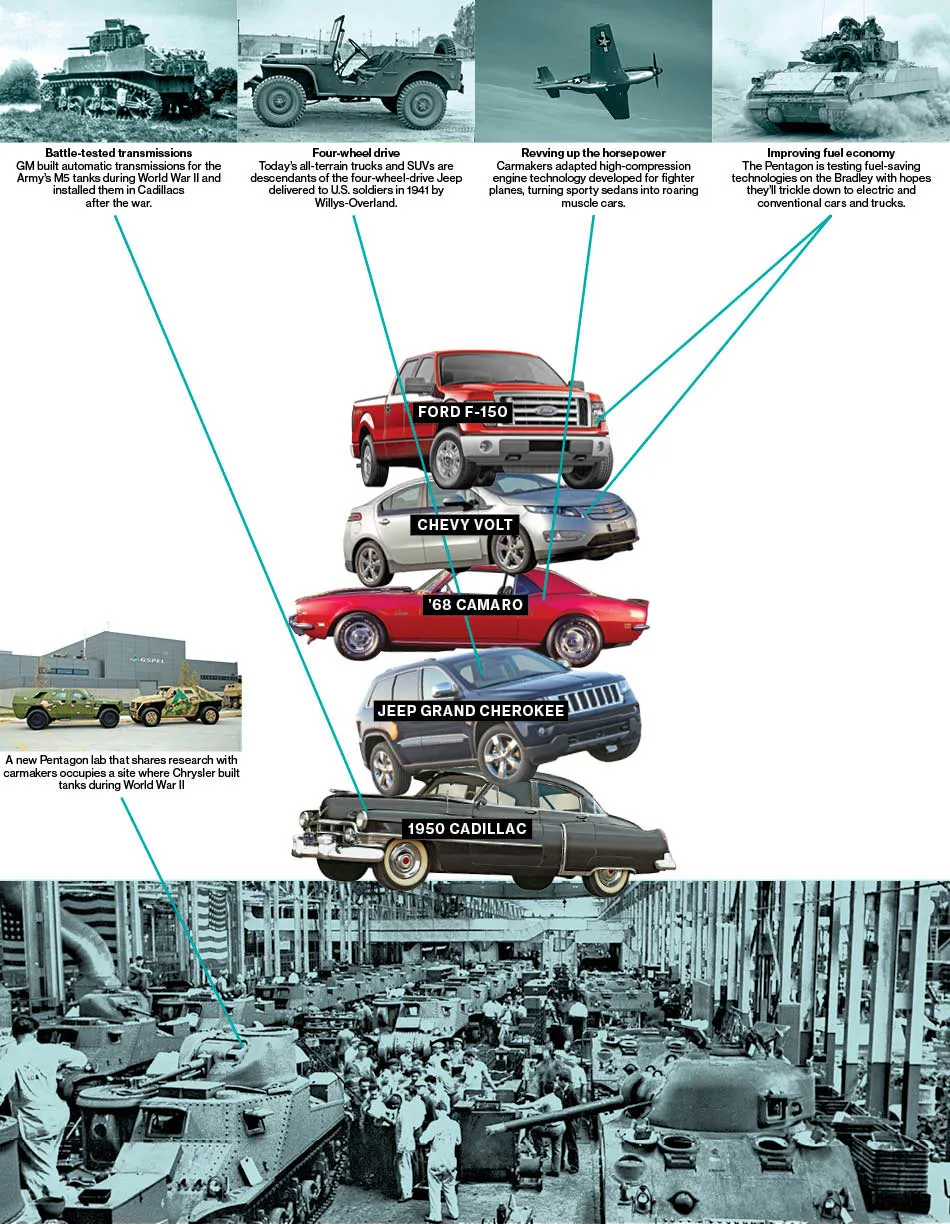
Americans are slamming doors and kicking tires again. This year they’ve been buying cars and trucks at an annualized rate of more than 14 million vehicles, the strongest performance since early 2008. General Motors has boosted its 2012 industry sales forecast, Ford Motor will add factory shifts, and Chrysler Group is stepping up hiring as demand rises. Automakers have rebounded since demand plunged during the 18-month recession that began in December 2007, which caused production cuts and mass layoffs and forced both GM and Chrysler into bankruptcy.
Now for the ripple effect. Government data show that motor-vehicle production contributed half of the first quarter’s annual pace of 2.2 percent economic growth. When an industry is expanding that fast, it lifts the fortunes of thousands of other companies. The auto resurgence—from assembly lines and dealerships to steelmakers, freight lines, and loan providers—signals the U.S. is headed for solid growth, says Joseph Carson, director of global economic research at AllianceBernstein in New York. “We’re starting to see the spark in the auto sector that was missing initially” during the recovery from the recession, says Carson, a former GM economist. “It tells you there’s a certain momentum. A whole host of areas could see the multiplier effect. We’re at the beginning of a very long and durable cycle.”