Bloomberg View: Millionaire Taxes Aren't the Answer; Paul Ryan's Medicare Plan Gets Better
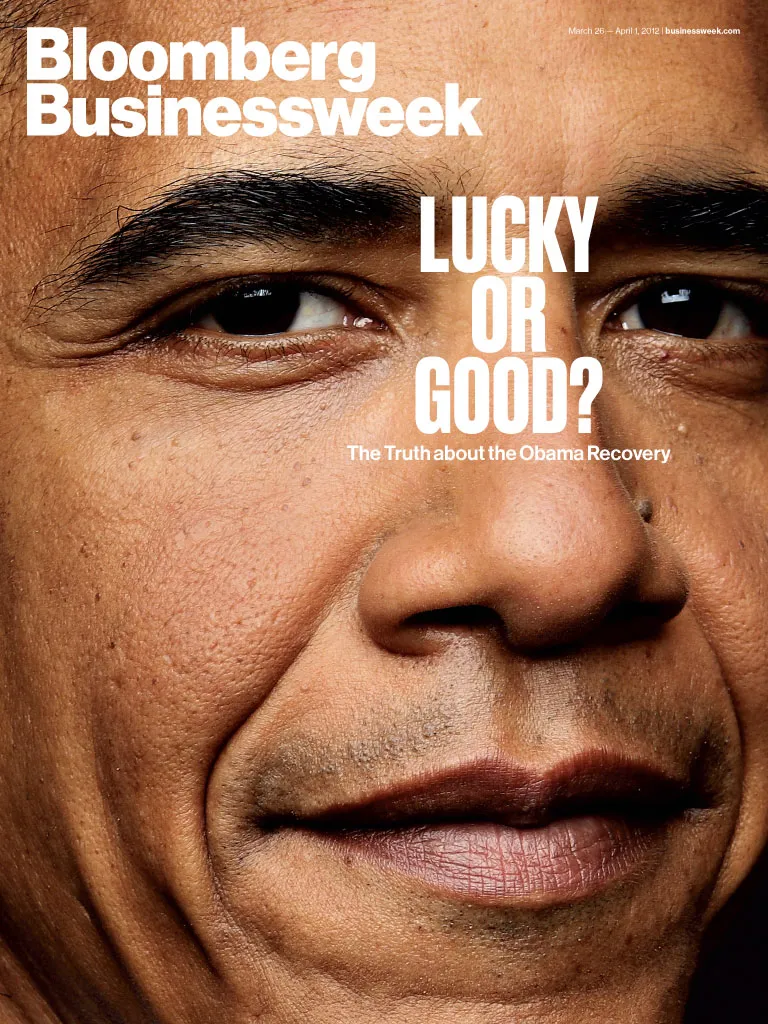
On March 21 the U.K.’s coalition government produced its budget for the next year. Among proposals discussed had been a so-called mansion tax—an annual 1 percent levy on homes worth more than £2 million ($3.2 million). In Russia, President-elect Vladimir Putin has put forward a luxury tax to be levied on purchasers of high-end cars and real estate. In France, the Socialist Party’s presidential candidate, François Hollande, is proposing a 75 percent tax rate on earnings above €1 million ($1.3 million). Hollande’s plan may in turn have been inspired by the debate in the U.S., where President Barack Obama has proposed a surtax on Americans with incomes of more than $1 million. The plan is known as the Buffett Rule, after Warren Buffett, who argued for higher taxes on billionaires like himself.
Buffett should surely not pay a lower tax rate than his employees. But few of these proposals would make a dent in the budget deficits facing the countries involved. Buffett’s own effective tax rate is lowered by the large proportion of his income that comes from dividends and capital gains, which incur lower tax rates than regular earnings. It isn’t clear a surtax on the rich would change that.