Keeping Petrodollars Out of Despots’ Pockets
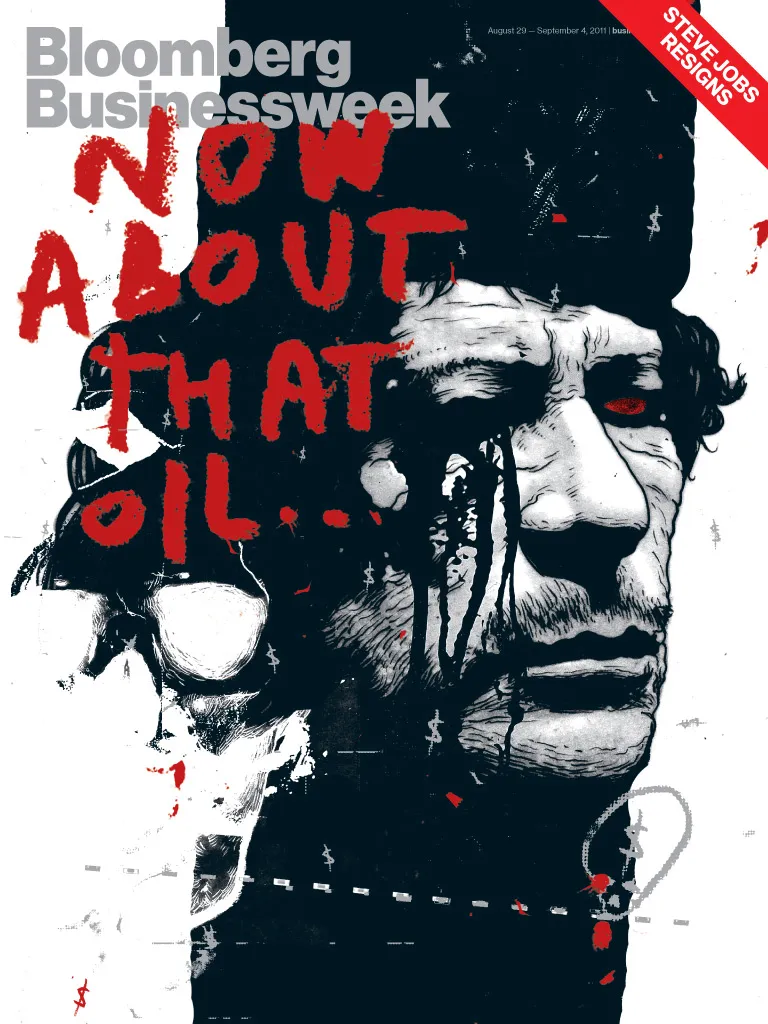
Teodoro Nguema Obiang Mangue serves as Agriculture Minister of Equatorial Guinea, a tiny, impoverished country on the west coast of Africa. But when Teodorin, as friends call him, goes boatshopping, the world takes notice. The son of Equatorial Guinea’s President last year flirted with the idea of buying a $380 million yacht, though his annual salary is just $60,000. Consider, too, that he also owns a $30 million home in the Los Angeles suburb of Malibu and you’ll understand why the U.S. Congress approved a regulation designed to pull back the curtains on the finances of secretive governments.
Tucked into the Dodd-Frank financial reform act is a provision requiring U.S.-listed oil, gas, and mining companies to reveal what they pay governments around the world for permission to tap resources. In Angola, Kazakhstan, Myanmar, Venezuela, and more than a dozen other oil- or mineral-rich countries, those numbers may suggest why there is sometimes a huge disconnect between government paychecks and leaders’ lifestyles, says Senator Patrick Leahy (D-Vt.), a backer of the measure. The money “props up corrupt billionaire dictators or fuels armed conflict,” Leahy says.