Feedback
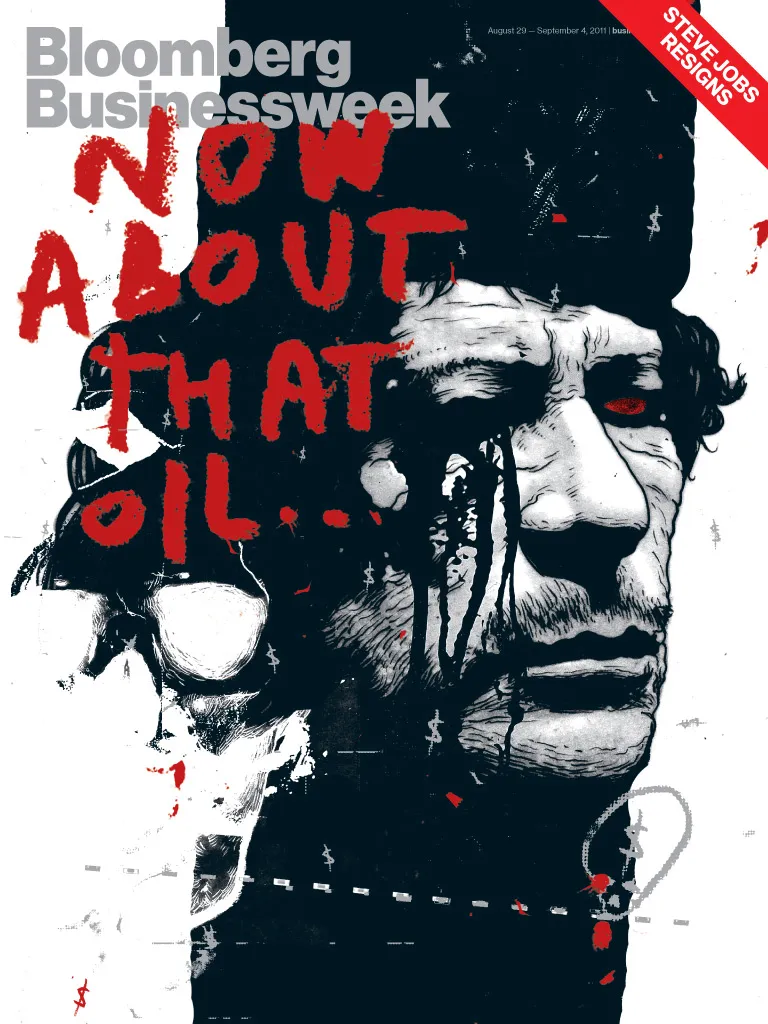
If We Did It Before …
Thank you for Roger Lowenstein’s well-timed article drawing broad attention to the seismic change at the end of the Bretton Woods system in August 1971 (“The Nixon Shock,” Features, Aug. 8-Aug. 14). At the time I was an economist at the Atlanta Fed, and as an economics professor ever since, I have built my business cycle course around the remarkable events of the ensuing decade. The 1970s inflation, which your meticulously researched article identifies as [Arthur] Burns’s inflation, undermined Nixon’s stimulus package and led to the totally unexpected recession of 1974-75. This is the one I still refer to as the “great recession,” because it was such a mystery until Milton Friedman explained it and Federal Reserve Chairman Paul Volcker acted in concert to stop it. President Reagan was a real statesman to stick by Volcker even with 10 percent unemployment. The ensuing recovery was robust.
Bloomberg Businessweek readers need to be reminded of such tough times in the past that the U.S. has dealt with successfully.
Dudley Salley
Professor of Economics
Georgia Highlands College
Rome, Ga.
“The Nixon Shock” seems to say that Volcker replaced Arthur Burns. G. William Miller replaced Burns, served as Fed Chairman from March 1978 to August 1979, and was replaced by Volcker. It was Miller’s easy money that drove inflation to the stratosphere and led to the Volcker appointment.
Brien Benson
School of Public Policy
George Mason University
Fairfax, Va.
Surf, Turf—Try Scorpions
Apparently, Traci McMillan has no concept of military life in Afghanistan or Iraq (“Bullets, Bombs, Surf, Turf,” Politics & Policy, Aug. 15-Aug. 28).