Libya: Can It Become an Oil Superpower?
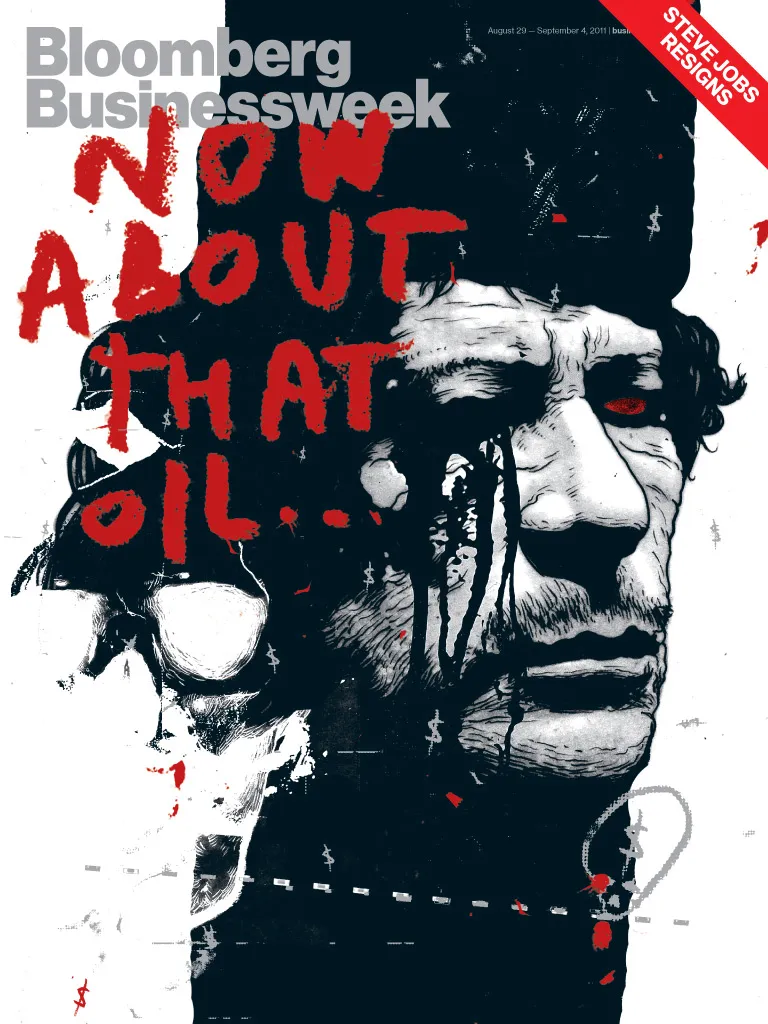
The messiest part of war is how it ends. Even as Libyan rebels and their supporters fired rifles in the air and poured into Green Square to celebrate the downfall of Muammar Qaddafi, the scenes at the Mujama Aleiadat hospital in Misrata, 130 miles from Tripoli, told a grimmer story. The hospital’s corridors were jammed with the wounded, including a 3-year-old boy hit in the arms and abdomen by shrapnel from a shell that also killed his 6-year-old brother in neighboring Zlitan. One of the hospital’s own, a 20-year-old medic who crewed ambulances into the front lines since the start of the war, had been killed by a sniper bullet. “Qaddafi has lost, but people are still fighting,” says Dr. Mohammed Ahmed, who was caring for the wounded boy. “I don’t know why.”
The apparent end of the dictator’s brutal, often bizarre, 42-year rule was greeted with relief not just among ordinary Libyans, but also by leaders of the NATO countries who had launched a hastily arranged anti-Qaddafi military campaign that’s now lasted more than six months. The work of stabilizing post-Qaddafi Libya will take a lot longer than that. Basic services like water and electricity are barely functioning, and the country’s physical infrastructure is in ruins. The rebels, a coalition including longtime Qaddafi opponents and former regime figures, say they intend to establish a democracy, though Libya has neither a political party nor a constitution. Even Mustafa Abdel Jalil, head of the rebels’ National Transitional Council (NTC), warned on Aug. 22 that governing in the post-Qaddafi era will “not be a bed of roses.”