Musk’s Boring Tunnel in Nashville Has Mayor Hoping No One Dies
The Boring Co. is about to embark on its most ambitious tunneling project yet, but critics worry the company is woefully underprepared.
After years of hype and promises to wipe out the scourge of traffic — but with only a Las Vegas tourist attraction to show for it — Elon Musk’s tunneling startup says it’s set to begin digging its first full-fledged transit corridor underneath Nashville.
There’s just one catch: City officials, as well as people with more experience building tunnels, think it’s a very bad idea.
“If it happens,” Nashville Mayor Freddie O’Connell said in an interview, “the ideal scenario would be: mostly harmless, no one dies.”
The Boring Co. has dug a launch shaft and assembled a machine to begin drilling two roughly 10-mile tunnels running from a spot near the Tennessee capitol building to the airport. The “Music City Loop” will feature a fleet of chauffeured Teslas taking “thousands of people per hour” between downtown and the airport, easing highway congestion. Boring says the system will be safe and operate with the required state and city permits.
Musk’s Boring Co. Has Grand Ambitions in Music City
Underground tunnel would connect Nashville’s downtown with its airport

The company says the project will be entirely self-funded, requiring nothing from taxpayers. In documents provided to Nashville officials, Boring says it will spend “a few hundred million dollars” to build a seamless and expandable underground network.
Those claims are baffling to people in the tunneling business, especially because of the terrain Boring will have to navigate: the tricky, sinkhole-prone limestone bedrock of middle Tennessee. The construction risks range from collapsing the ground beneath a heavily traveled state highway, to knocking out utility connections, to flooding the tunnel with groundwater.
The operational logistics are equally difficult to envision: To serve 1,000 travelers an hour, the low end of Boring’s estimate, would require a car with one passenger to depart every 3.6 seconds.
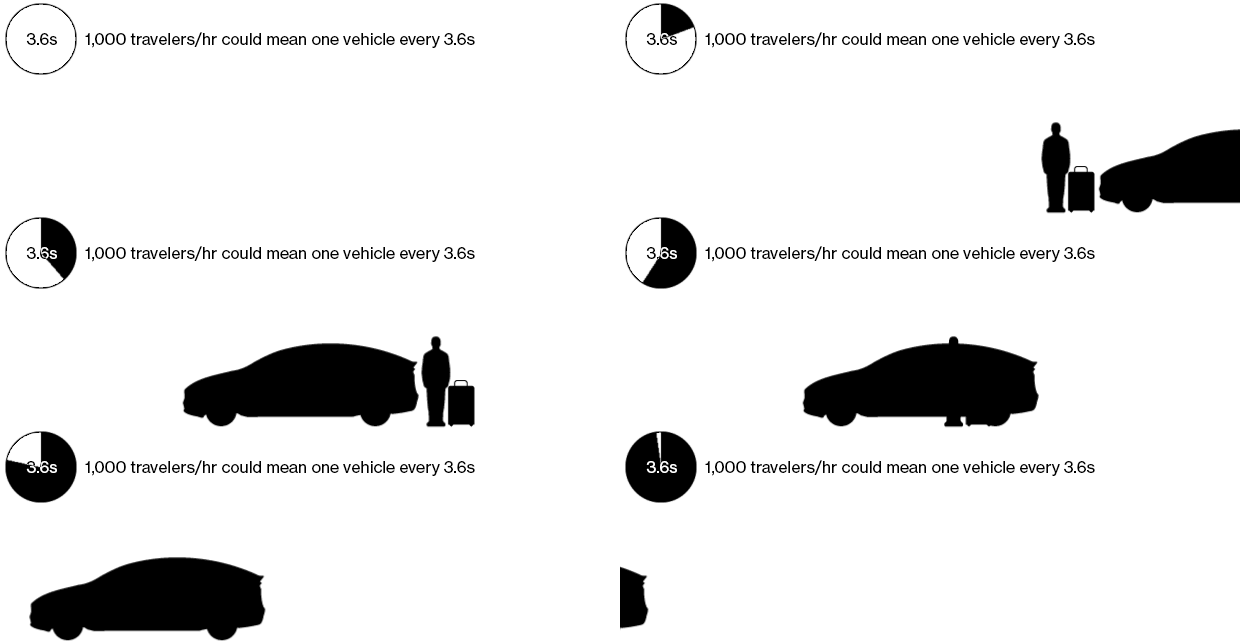
Boring says they’ll zoom along at an average 60 miles per hour on a route that appears to include a 90-degree bend. Boring hasn’t said how much rides will cost or how long it will take to recoup its expenses.
Nonetheless, the state is bullish on the idea.
“This partnership represents the kind of forward-thinking, fiscally responsible approach that will define the future of transportation in Tennessee,” Governor Bill Lee, a Republican, said in a statement announcing the project.
Industry experts are dubious.
“It’s just a fly-by-the-seat-of-your-pants project, and a 99% chance they’ll wind up in real trouble and a big mess for the city,” said Lok Home, president of the tunnel machine maker The Robbins Co., who has worked in the business for decades and helped build hundreds of tunnels.
Many Nashville officials share those doubts. Over months, the city has pressed Boring for details on its technical prowess as well as basic information about how the system would operate in emergencies such as fires and floods. The responses, many officials say, have been inadequate.
Boring Faces More-Difficult Conditions in Nashville
Tennessee’s wet climate and soluble bedrock make it more prone to sinkholes than Nevada

The approach, they say, bears all the hallmarks of Musk’s companies’ tendency to ignore warnings about safety for the sake of going fast. Tesla has come under investigation by the National Highway Traffic Safety Administration for concerns about its electric door handles becoming inoperable after crashes, and environmental groups and the US Fish and Wildlife Service have warned that his SpaceX rocket company has damaged vulnerable bird habitats with its launches.
But Boring has an advantage in pushing the project: the American partisan divide, as seen in Nashville itself — a city dominated by Democrats like O’Connell in a state where Republicans rule. Musk’s reputation for spouting grandiose ideas that fail to come to fruition and running roughshod over rules, along with his support for Donald Trump, made many Nashville officials skeptical of Boring when the company first approached in 2024. But Musk’s ties to the MAGA movement have been seen as an asset in Boring’s dealings with Lee and the state.
The state’s embrace shows how Musk’s divisive public profile can benefit some parts of his sprawling corporate empire even as it has spurred calls for a boycott and protests at Tesla Inc. And as Musk expands operations around the world, with contracts now signed to bring a Boring tunnel project to Dubai, the situation in Nashville hints at the methods the world’s richest man could use to try to convince their governments that he has the fix for their problems.
Completing the Nashville tunnel would be the biggest accomplishment to date for Boring, and comes amid a sweeping reorganization of some of Musk's other businesses. The billionaire confirmed this week that he plans to combine SpaceX and xAI, his artificial-intelligence company, in a deal that values the enlarged entity at $1.25 trillion. The merger, which also includes the social media company X, will create the largest closely held company in the world.
In Nashville, public records show state officials including Lee, Boring executive Jim Fitzgerald and Baris Akis, a Musk associate and investor, held a meeting about the idea in June 2025. Officials seemed eager to manage how the project was rolled out to the public.
“It’s important that we control the narrative on this extremely complex, exciting, and perhaps (for some) controversial project,” state officials wrote in a memo prepared for the meeting. “This is a great private investment in Tennessee, but needs to be told carefully.”
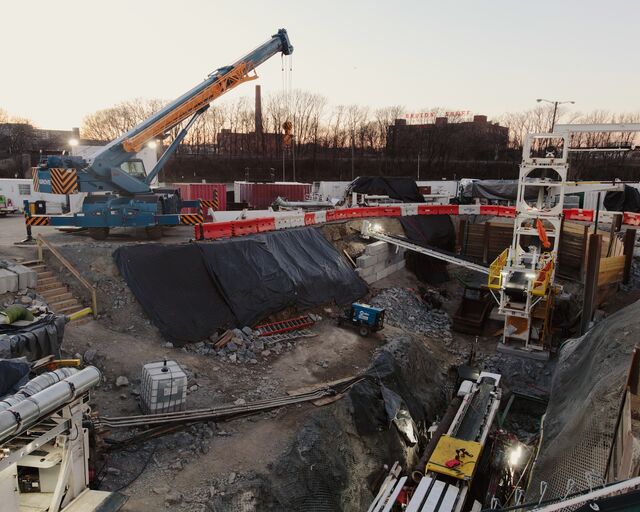
There is little the city can do to stop the project from getting underway as long as it has the state’s support. The Lee administration is allowing Boring to use a state-owned parking lot as staging grounds to launch its tunneling machine. The route to the airport is almost entirely under state-controlled roads, reducing the need for easements from private landowners or the city.
“My issue with this project is that they’re just shoving it down our throats,” said Shane B. Scott, a pastor at First Baptist Church Capitol Hill, which sits next to the launch site.
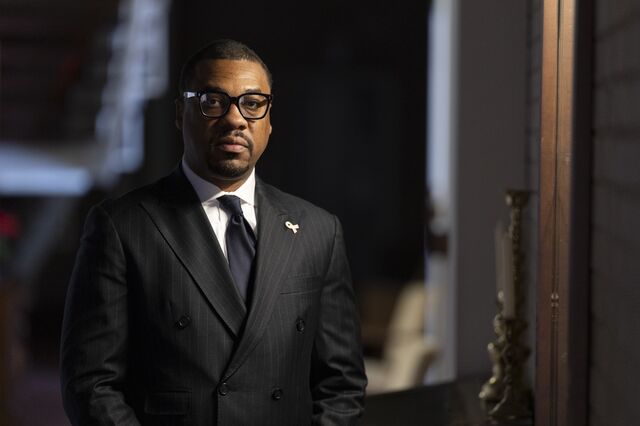
Scott said he met with a Boring executive to ask if the company would repair any damage it might cause to the building. The executive said yes, according to Scott, but refused to put that assurance in writing.
Lee’s office said that the project will cost taxpayers nothing and enjoys “broad support from state, city, and industry leaders due to its ability to modernize the downtown travel experience.” A spokeswoman noted that Nashville has one of the country’s fastest-growing airports.
The state transportation department received a waiver from federal officials allowing it to lease the tunnel route beneath state right-of-way to Boring for free, a spokeswoman said. The state is awaiting other federal approvals, and may require Boring to provide additional information as well as final construction plans before beginning the tunnel boring, she said.
The company didn’t respond to requests from Bloomberg seeking comment. A local consultant who conducted private briefings for some officials on Boring’s behalf, Sam Reed, declined to comment.
Boring has addressed safety and logistics issues in public forums, in conversations with government officials and in written answers to questions from the city. Executives say the system will be designed with safety in mind.
In an appearance on X Spaces in December, Boring President Steve Davis dismissed the threat of sinkholes, saying Nashville’s limestone is “crazy hard rock” and noting that Boring will use technology to monitor for any danger. He said the company had done “17 or 18” sample borings and has also looked at geologic data from past projects.
Home said Davis’s description of limestone’s properties and the challenge of tunneling through rock of varying hardness was divorced from reality. Boring’s public assertions about how tunneling machines work in conditions like Nashville’s are “definitely not true,” he said.
Geological experts note that the bedrock in the project area — including sections of roughly 450 million year-old limestone known as the Nashville Dome — includes segments that have been heavily eroded over millennia. A tunnel project like Boring’s proposal is likely to encounter “mixed face” conditions: technically difficult combinations of soil and rock that raise the likelihood of cave-ins and groundwater incursions that could imperil the project.
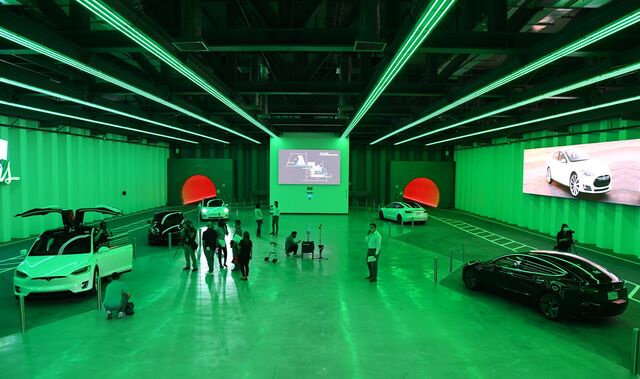
Nonetheless, Republicans like Courtney Johnston, one of the few politically conservative members of the Nashville Metropolitan Council, are all in. She cited Boring’s Vegas Loop — a network of tunnels connecting the city’s convention center to several nearby hotels, with Teslas ferrying visitors underground. The company says it has been a hit, and has plans to expand the system.
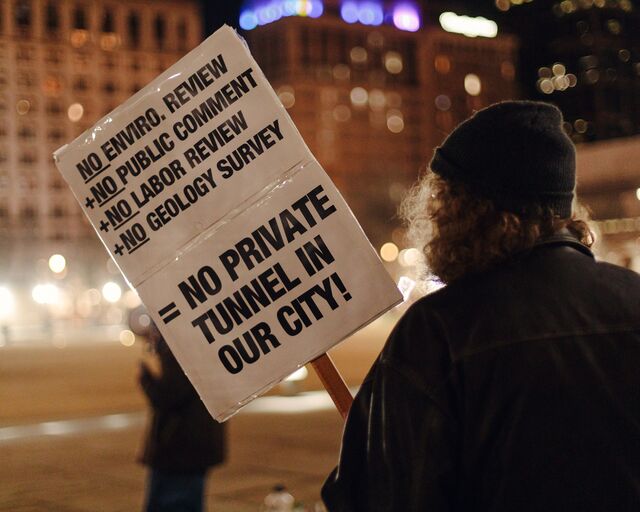
“Based off of what I have learned from them — and I’ve seen what they’ve done in Vegas — I have a high level of faith that they can get it done,” she said in an interview.
But a chorus of voices from the civil construction and transportation sectors says there’s no way the company can deliver what it’s promising. An underground tunnel filled with cars cannot move large crowds of people like conventional mass transit systems, critics note, and is unlikely to make a discernible difference in highway congestion aboveground.
Boring’s arrival in Nashville showcases the power of Musk’s reputation as a technological innovator. It also highlights the skepticism among some officials who have seen the tunnel company make flashy promises on which it never delivers.
Musk has proposed a high-speed underground network of cars on electric skates to stretch from Chicago’s Loop to O’Hare International Airport; a “hyperloop” from Washington to New York for which he said he had “verbal government approval;” and a tunnel to eliminate traffic to Dodger Stadium in Los Angeles, among others. None was ever built. Aside from its people-mover in Las Vegas, Boring hasn’t actually constructed anything the public can currently use.
In Nashville, city officials pitched on the proposal initially kept their focus on a transit referendum already in the works. But the state quietly kept the plans alive.
In December, Boring published an environmental analysis that found impacts related to geology wouldn’t be significant along the proposed route. The author, Davey Resource Group, also noted that the analysis was based on data provided by Boring. If additional exploratory borings turned up more complicated underground conditions, “the recommendations and opinions provided herein may change,” the analysis said.
During his Spaces appearance, Davis said the tunnels will be monitored by cameras at a surveillance center that’s staffed around the clock, and will feature fire-suppression and ventilation systems. The tunnels will have emergency exits at regular intervals, in accordance with building codes.
Davis has also been pressed about how Boring would handle a vehicle fire in a tunnel that is too narrow to fit a fire truck or ambulance.
Boring’s Narrow Tesla-Only Tunnel

“We actually have vehicles available,” Davis said. “We call them buggies, but they’re much fancier than that, which are emergency response vehicles outfitted with equipment that also allow the firefighters to enter the tunnels.”
In community forums, Boring often references increasingly elaborate visions of the system it says could transform Nashville, and even connect to Memphis and other cities across the region.
On X, Davis suggested that underground parking garages around the city could be tied into the Music City Loop, and floated the possibility of extending tunnels under other major thoroughfares. The system could even cross the Cumberland River to Nissan Stadium, the home of the NFL’s Tennessee Titans, Davis said. But then he stopped himself.
“The last part I said isn’t a real thing,” he said. “Nothing’s happened there yet. But we’d certainly love to do it.”