Sugarcane fields in Sezela, South Africa. Photo by Dean Hutton/Bloomberg
What Will the World Eat in the Next Decade?
India will eat more butter and drink more milk. Africa’s sweet tooth will grow bigger. But China’s appetite for pork is on the wane. Each of these trends will reshape global trade flows in agriculture, creating new winners—and forcing companies to adjust their food chains to serve shifting tastes.
Here is how the world will eat in the next decade, as projected by a forecast from the United Nations and the Organization for Economic Cooperation and Development.
China Steps Back
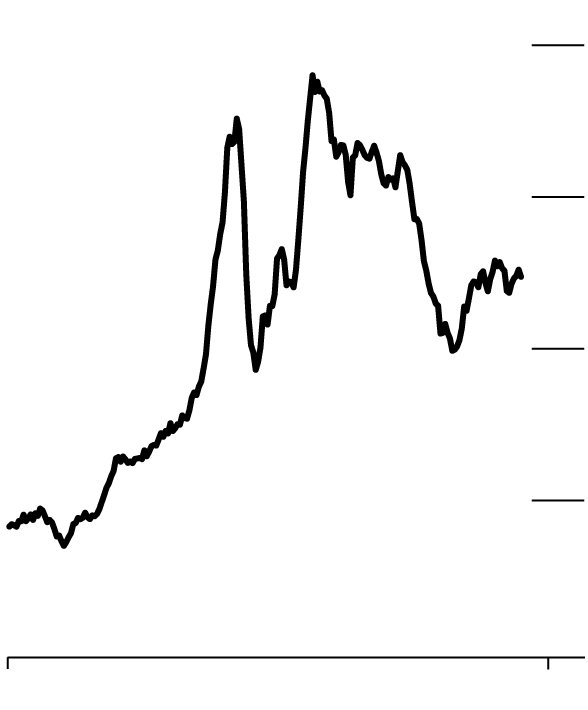
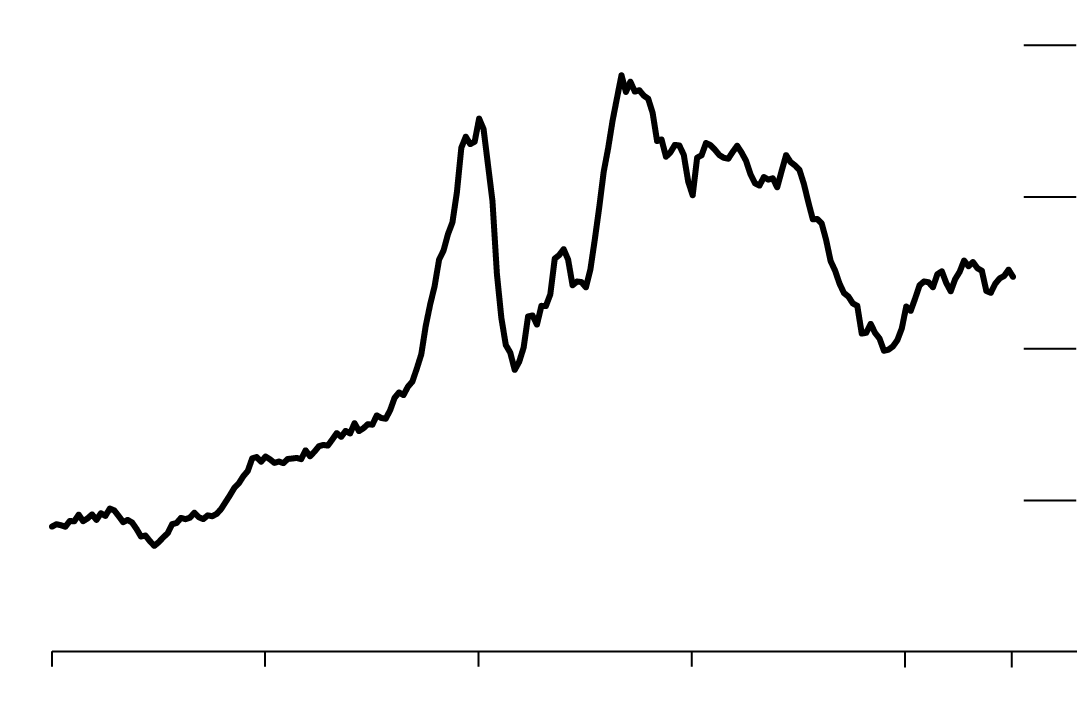
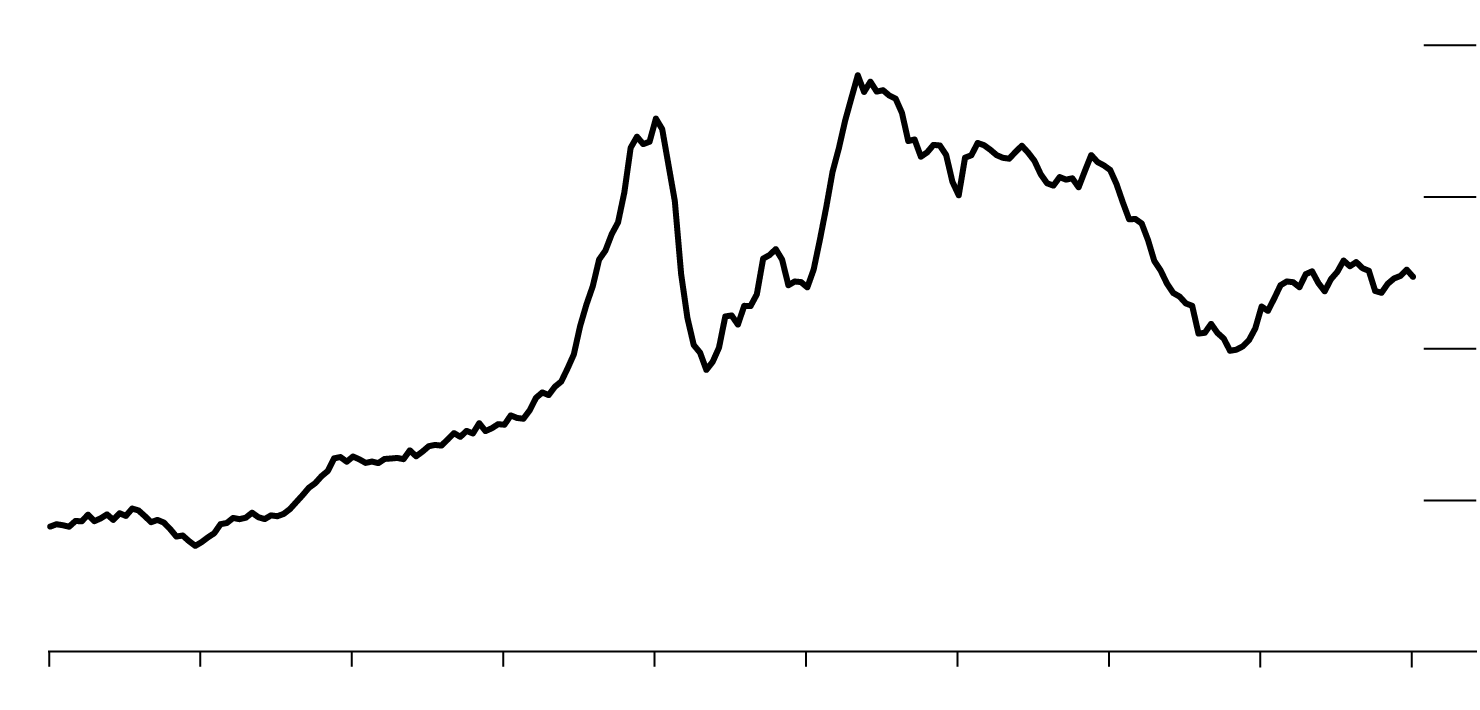
Demand for agricultural commodities from grains to meat has boomed since the beginning of the century—a period roughly coinciding with China’s full entry into global markets. That, together with supply disruptions, helped send a gauge of food prices to a record in 2011. As people in China and other emerging economies grew richer and moved to cities, they stepped up spending on pork, chicken and fish, leading to an explosion in sales of soybeans, corn and other grains used as animal feed. That’s helped companies such as Tyson Foods Inc. and commodities traders that include Cargill Inc. and Archer-Daniels-Midland Co., which have overcome stagnant demand in developed economies by serving the appetites of emerging ones.
Food Gauge
250
200
150
100
50
Q2 ’00
Q2 ’18
250
200
150
100
50
Q2 ’00
Q2’ 04
Q2 ’08
Q2 ’12
Q2 ’16
Q2 ’18
250
200
150
100
50
Q2 ’00
Q2 ’04
Q2 ’06
Q2 ’14
Q2 ’16
Q2 ’02
Q2 ’08
Q2 ’10
Q2 ’12
Q2 ’18
Combined with government policies encouraging conversion of corn, sugar cane and other crops into biofuels, the 21st century food boom has enriched players all along the food chain and globalized agriculture. It’s benefited farmers from Ukraine to Uruguay and sent U.S. and Brazilian farm incomes to new heights. And China has driven demand throughout.
Population Will Drive Demand
Projected
100M
80
Rest of world
60
India
40
MENA*
Sub-Saharan
Africa
20
China
OECD
0
’00
’18
’27
100M
Projected
80
Rest of world
60
India
40
MENA*
Sub-Saharan
Africa
20
China
OECD
0
’00
’18
’27
M
100
Projected
80
Rest of world
60
India
40
MENA*
Sub-Saharan
Africa
20
China
OECD
0
’00
’02
’04
’06
’08
’10
’12
’14
’16
’18
’20
’22
’24
’26
’27
M
100
Projected
80
Rest of world
60
India
40
MENA*
Sub-Saharan
Africa
20
China
OECD
0
’00
’02
’04
’06
’08
’10
’12
’14
’16
’18
’20
’22
’24
’26
’27
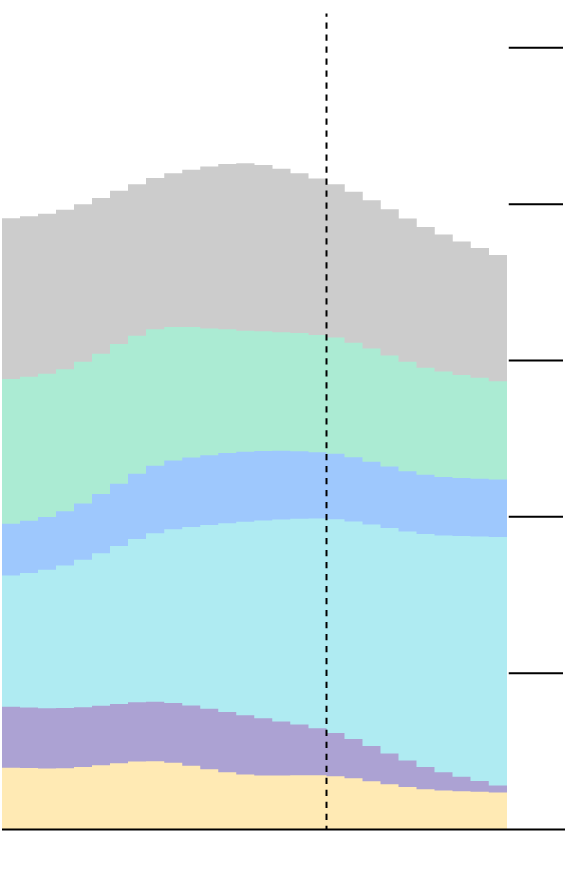
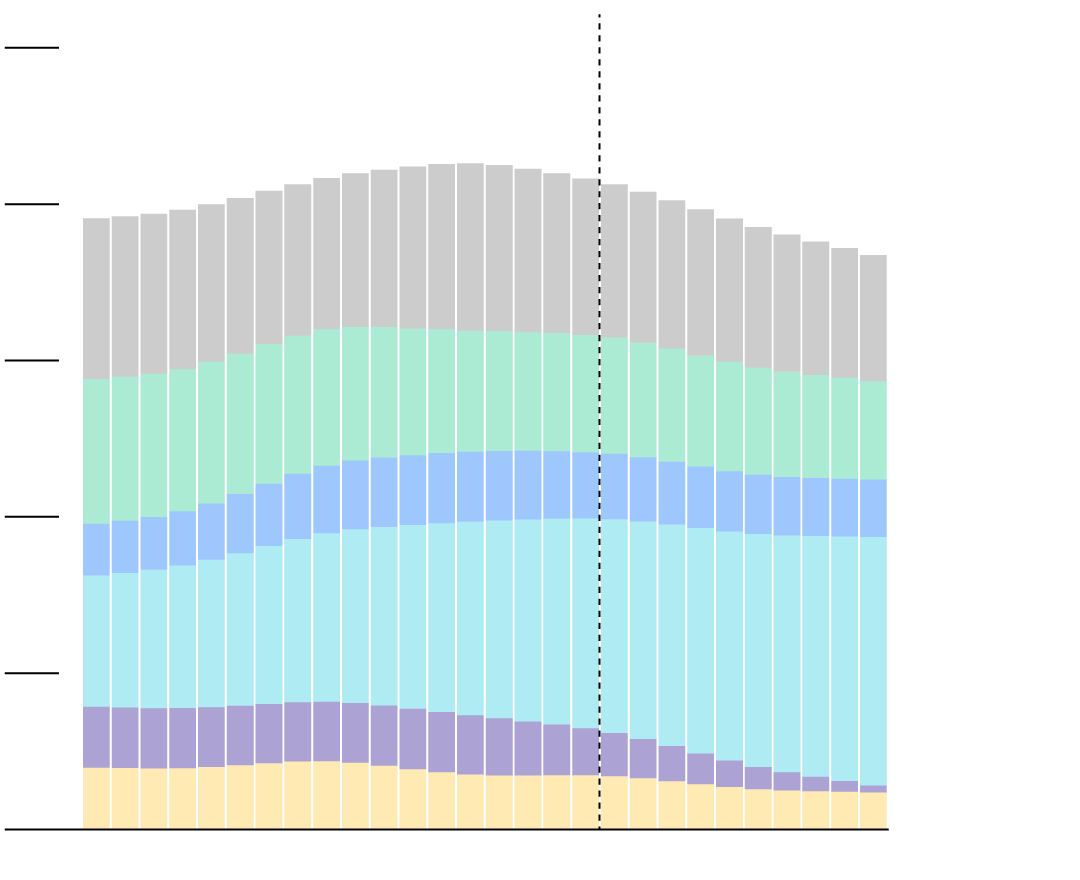
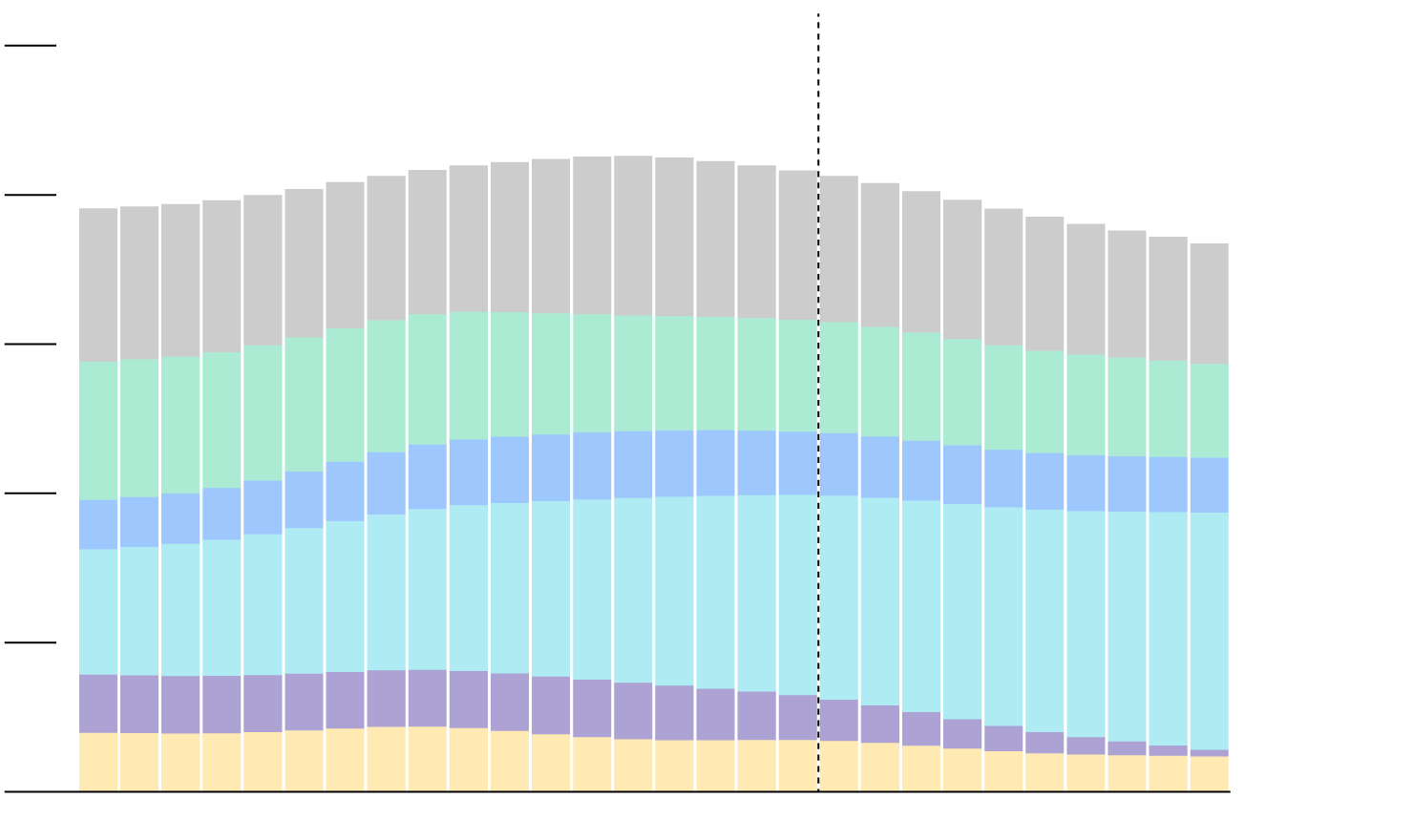
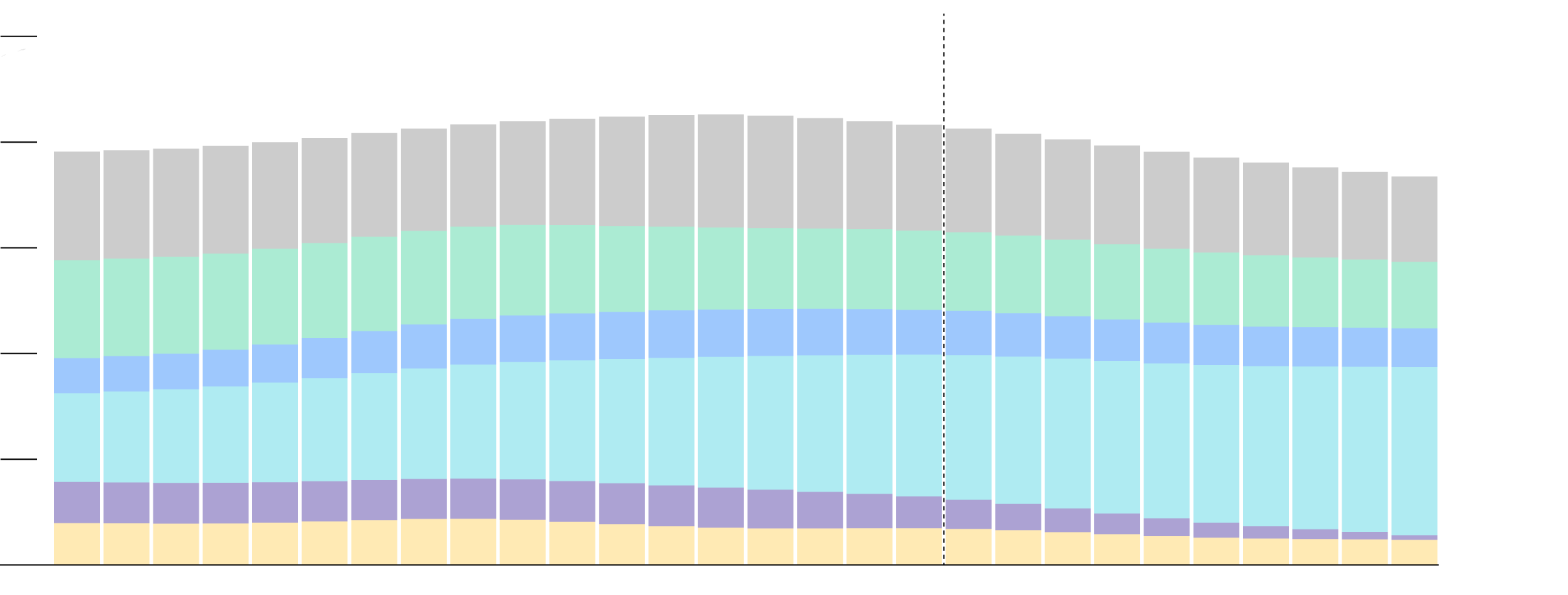
Nearly two decades in, that driver is slowing down. Growth in demand for meat and fish is fading as China ages and economic expansion slows, according to the OECD and UN. The world’s most populous nation will no longer add as much to global food demand, the two organizations said in a 10-year-outlook report published last month.
“We really are looking at a fairly sharp slowdown in the pace of demand growth,” said Jonathan Brooks, head of the agro-food trade and markets unit at the Paris-based OECD. “We don’t see that Chinese consumption over the next 10 years has the potential to grow the same way.”
India and Africa’s Moment
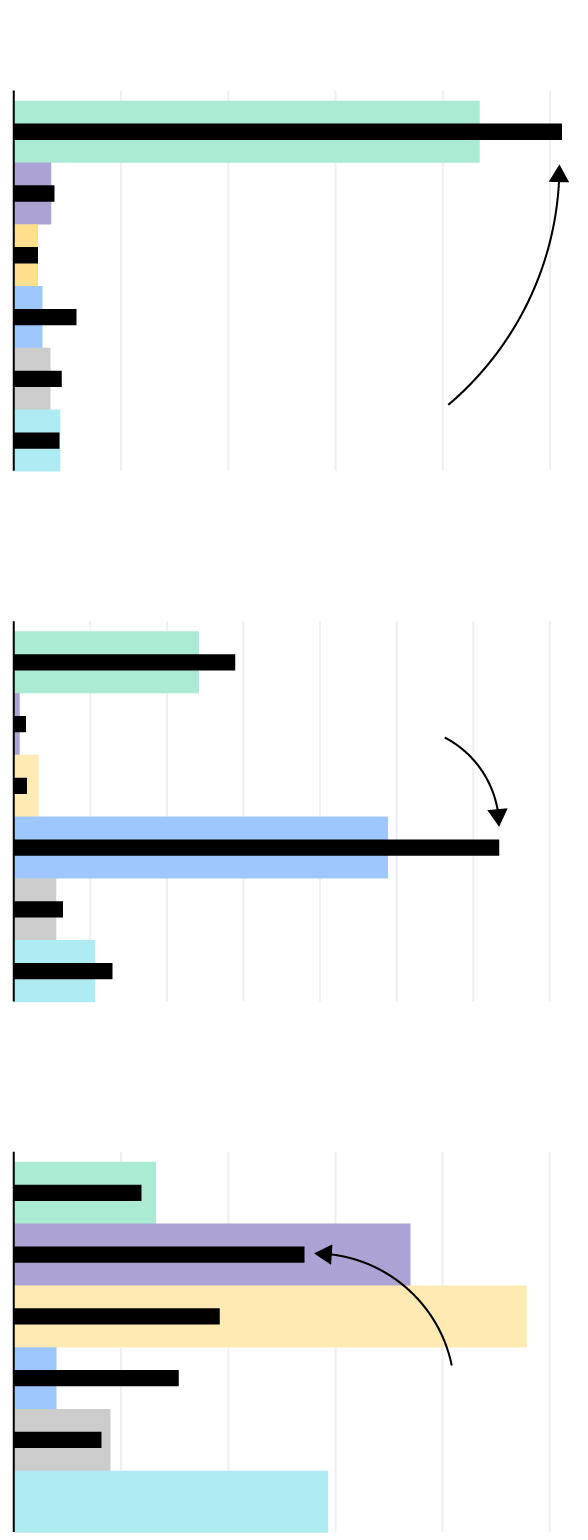
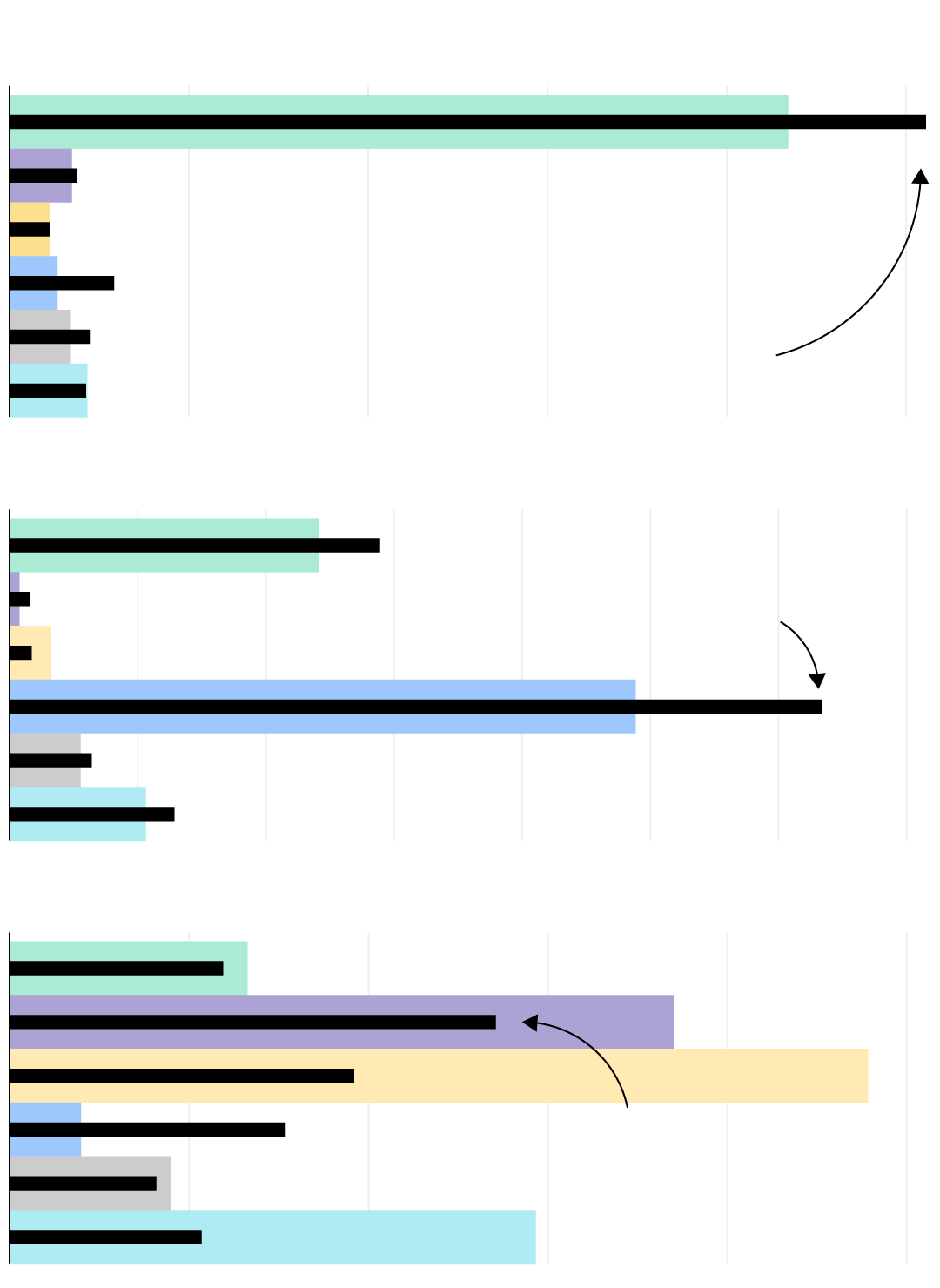
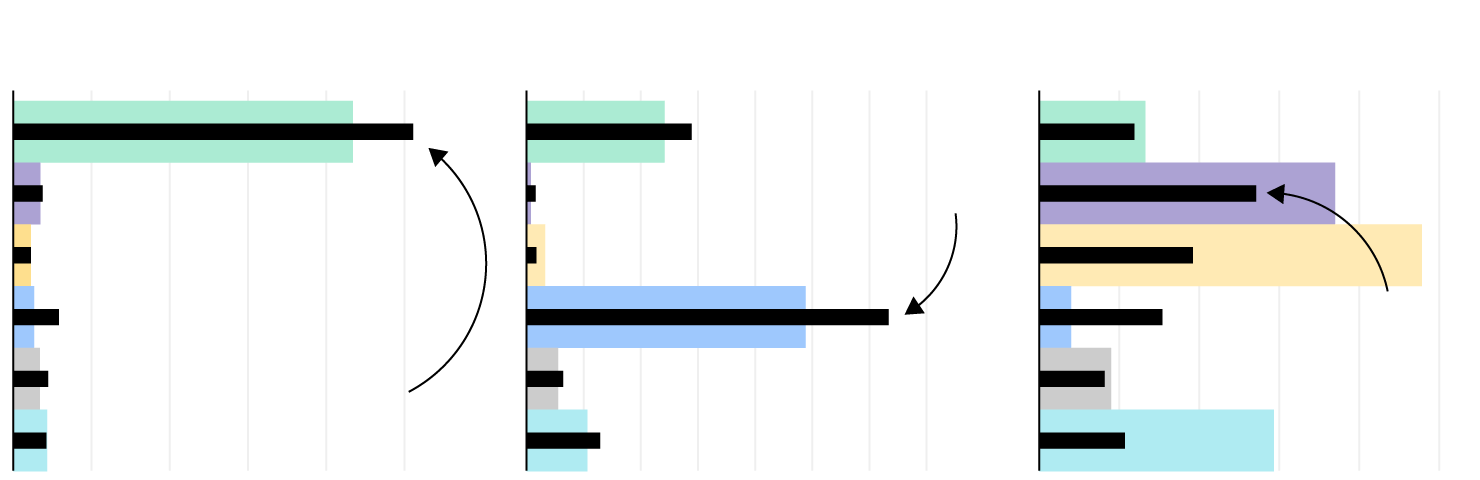
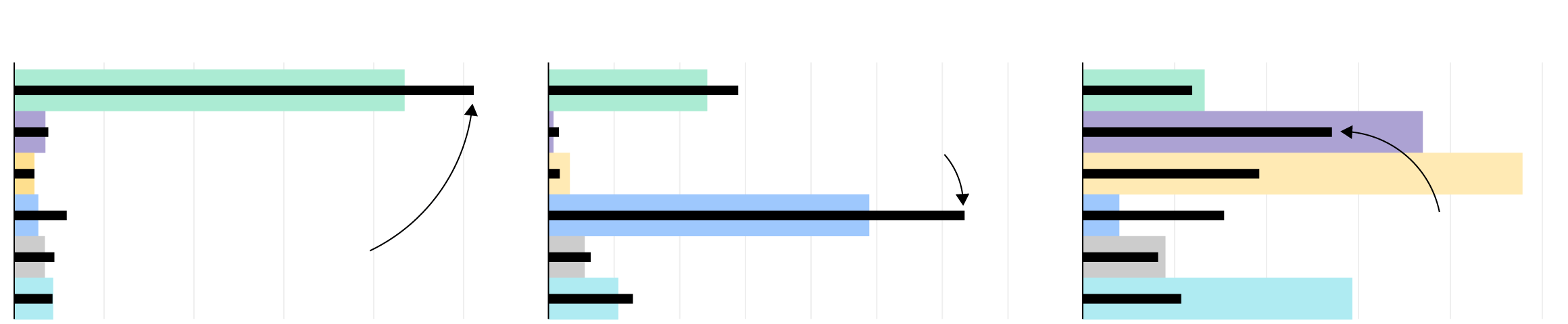
Population growth will largely determine demand gains as income growth slows worldwide. But new mouths aren’t being added as quickly as in the past, with Africa and India the largest exceptions. Their tastes aren’t the same as China’s.
Food Demand Growth
Compared by decade, in tons
- Cereal
- Meat
- Fish
- Fresh dairy
- Sugar
- Vegetable oils
- 2018-2027
Sub-Saharan Africa
0
10
20
30
40
50M
Demand for cereals
grew by 43 million tons
from 2008 to 2017 over
the previous decade
and is projected to
grow by an additional
51 million tons in the
next decade
India
0
10
20
30
40
50
60
70M
Demand
for dairy will
grow by 63
million tons
China
0
5
10
15
20
25
M
Demand for
meat grows
but less than
the previous
decade
Sub-Saharan Africa
40
30
0
10
20
50M
Demand for cereals grew by
43 million tons from 2008 to
2017 over the previous
decade and is projected
to grow by an additional
51 million tons
in the next decade
India
30
40
50
60
0
10
20
70M
Demand
for dairy will grow
by 63 million tons
China
0
5
10
15
20
25M
Demand for meat
will grow but less
than the previous
decade
Sub-Saharan Africa
India
China
0
10
20
30
40
50M
0
10
20
30
40
50
60
70M
0
5
10
15
20
25M
Demand for
dairy will grow
by 63 million
tons
Demand for cereals
grew by 43 million tons
from 2008 to 2017 over
the previous decade
and is projected to
grow by an additional
51 million tons in the
next decade
Demand for
meat will grow
but less than
the previous
decade
Sub-Saharan Africa
India
China
0
10
20
30
40
50M
0
10
20
30
40
50
60
70M
0
5
10
15
20
25M
Demand for
dairy will grow
by 63 million tons
Demand for cereals
grew by 43 million tons
from 2008 to 2017 over
the previous decade and
is projected to grow by an
additional 51 million tons
in the next decade
Demand for meat
will grow but less
than the previous
decade
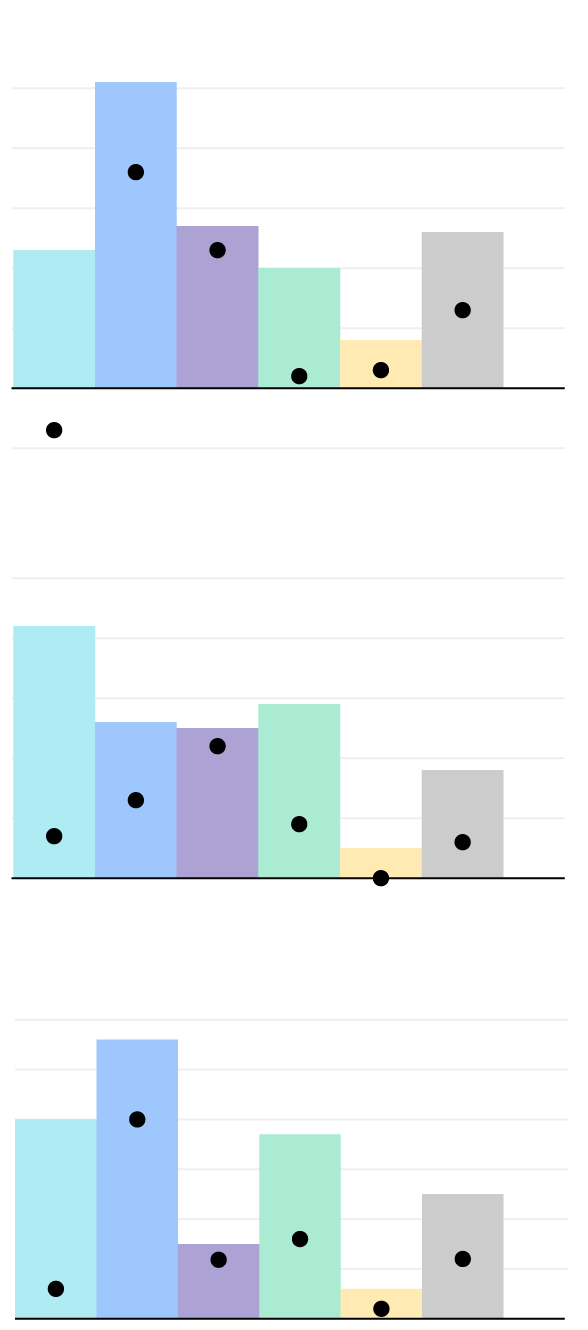
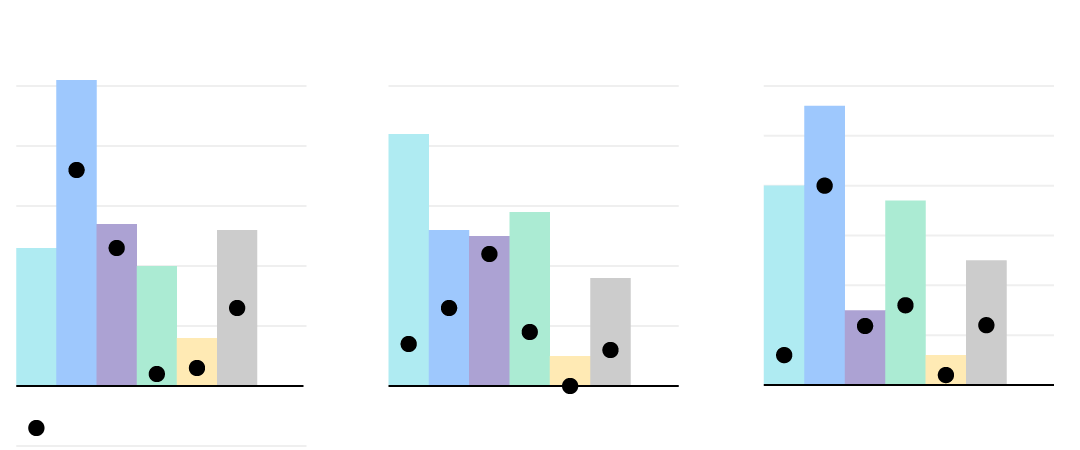
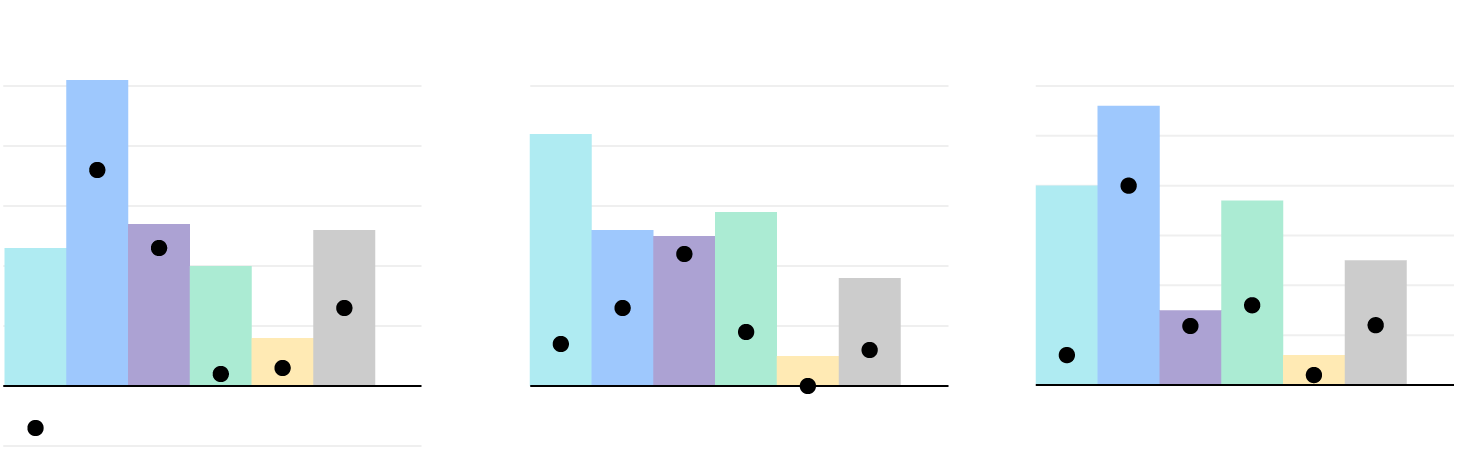
While the developed world frets about health concerns from diets heavy in processed foods, African nations, some emerging from high levels of poverty, are expected to embrace them, a boon to companies such as Nestle SA and Coca-Cola Co. Sugar and vegetable-oil sales growth in Africa will outstrip a slowdown in richer nations. Still, Africa’s rise won’t have the same effect on meat purchases as China’s did. That’s because of where African nations are in their development: Incomes in Africa won’t grow as fast as China’s did earlier in the century. In fact, sub-Saharan Africa will even experience declines in per-capita meat, dairy and fish consumption, according to the report.
India’s Separate Path
Of all the world’s regions, India would seem to hold the most promise for China-like growth. It is expected to outstrip China in population by about 2022 and become the world’s second-biggest economy by 2050. But a nation with a dominant religion that encourages vegetarianism won’t quickly be expanding animal-protein consumption. India’s growth will instead be a boon to dairy producers.
Growth Rates of Total and Per Capita Consumption
- Sub-Saharan Africa
- India
- China
- MENA
- OECD
- World
- Per capita consumption
Dairy (in milk solids)
50%
40
30
20
10
0
–10
Sugar
50%
40
30
20
10
0
Vegetable oil
60%
50
40
30
20
10
0
Sugar
Dairy (in milk solids)
Vegetable oil
50%
50%
60%
40
40
40
30
30
20
20
20
10
10
0
0
0
–10
Sugar
Dairy (in milk solids)
Vegetable oil
50%
50%
60%
40
40
40
30
30
20
20
20
10
10
0
0
0
–10
India’s dairy consumption may rise by more than a third by 2026. While this could provide an opportunity for global producers such as Fonterra Cooperative Group Ltd. and Danone SA, much of the demand will be met by domestic suppliers.
Still, imports may be necessary due to an inefficient agriculture sector characterized by a lack of water and sufficient feed. The sector, dominated by small farmers with less access to capital than developed-world counterparts, will also drive imports of vegetable oils, given the lack of industrial capacity.
Conclusion
This tepid decade, with its slower growth, may be good for consumers worldwide. Food prices should stay under control. But it isn’t great news for agribusiness companies, which increasingly may need to come to grips with the idea that China and ethanol were one-time-only demand drivers. In richer nations such as the U.S. and more mature markets like China, companies may need to compete more on quality than quantity, while India and Africa will still provide opportunities to gain on volume. With new drivers and shifting diets, the winners will be those best able to adapt.