Finding Fault With the Farm Bill
The so-called farm bill includes something for everyone, from farm subsidies and food stamps to clean-air initiatives. But its sheer, trillion-dollar size leaves critics plenty to find fault with—and those fault lines could derail the bill currently being drafted by the House and Senate agriculture committees.
The coalition that passes the law, which expires on Sept. 30, 2018, cuts across parties and regions. That’s especially crucial in 2018, when rural lawmakers may determine who controls Congress. How they manage the farm bill’s faults may shape who wins next year’s elections—and determine whether America flirts with a reversion to older farm laws that would force markets to adjust to supply-restricting rules in effect when Harry Truman was president.

Of the 12 titles in the farm bill,
four of them account for 99% of total
farm bill spending
80%
Title V—Nutrition
8%
Title XI—Crop Insurance
6%
Title II—Conservation
5%
Title I—Commodities
1%
Title IV—Trade
Title VI—Credit
Title VII—Rural Development
Title VIII—Research, Extension and Related Matters
Title IX—Forestry
Title X—Horticulture
Title XI—Crop Insurance
Title XII—Miscellaneous
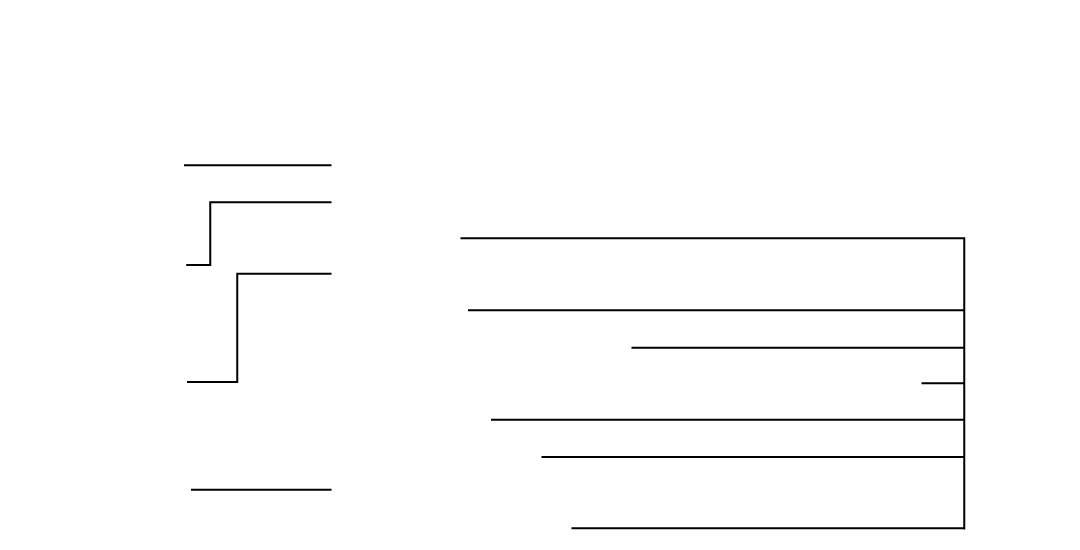
Of the 12 titles in the farm bill, four of them account for 99%
of total farm bill spending
5%
I
II
IV
V
VI
VII
VIII
IX
X
XI
XII
Commodities
Conservation
Trade
Nutrition
Credit
Rural Development
Research, Extension and Related Matters
Forestry
Horticulture
Crop Insurance
Miscellaneous
6%
80%
1%
8%

Of the 12 titles in the farm bill, four of them account for 99%
of total farm bill spending
5%
I
II
IV
V
VI
VII
VIII
IX
X
XI
XII
Commodities
Conservation
Trade
Nutrition
Credit
Rural Development
Research, Extension and Related Matters
Forestry
Horticulture
Crop Insurance
Miscellaneous
6%
80%
1%
8%
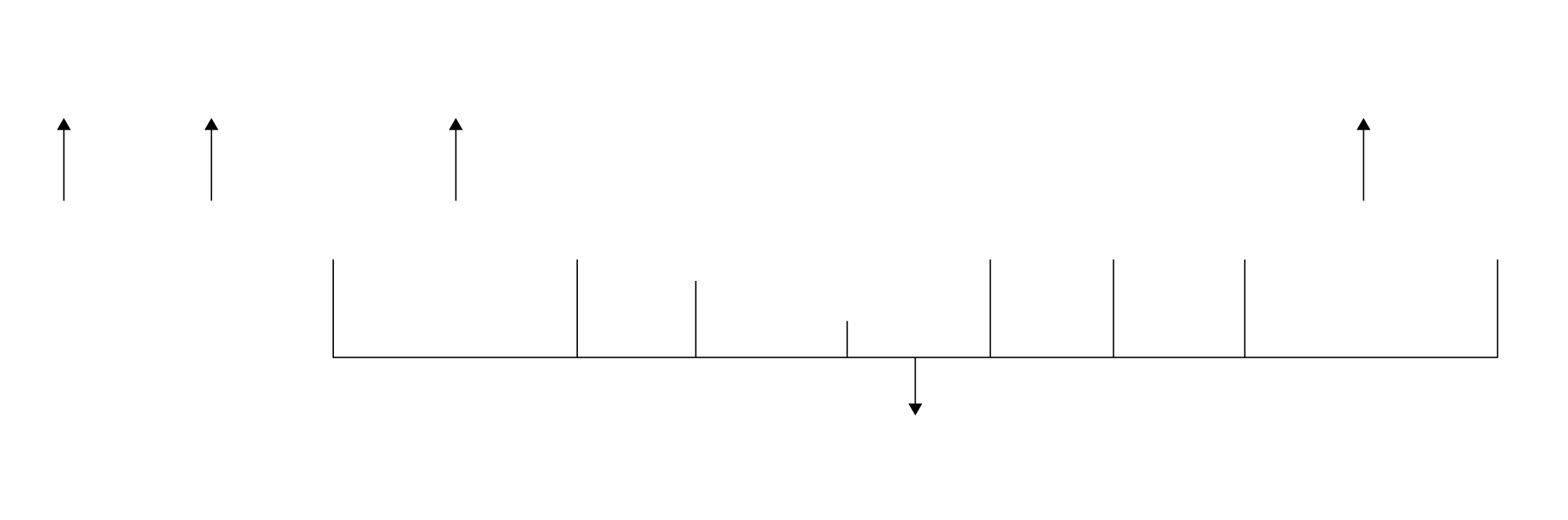
Of the 12 titles in the farm bill, four of them account for 99% of total farm bill spending
5%
6%
80%
8%
I
Commodities
II
Conservation
III
Trade
IV
Nutrition
V
Credit
VI
Rural Development
VII
Research, Extension
And Related Matters
VIII
Forestry
IX
Energy
X
Horticulture
XII
Miscellaneous
XI
Crop Insurance
1%
of total
funding
That’s happened before, and Congress always patches it with extensions of current law—but the lack of any agreement would show Trump voters in rural districts that once again, Washington can’t deliver for them. It could impede progress on small-town scourges ranging from a lack of broadband access to opioid addiction. And it would be another sign of American political dysfunction.
As goes the farm bill, so goes cohesion in American politics. This could be the year it falls apart.
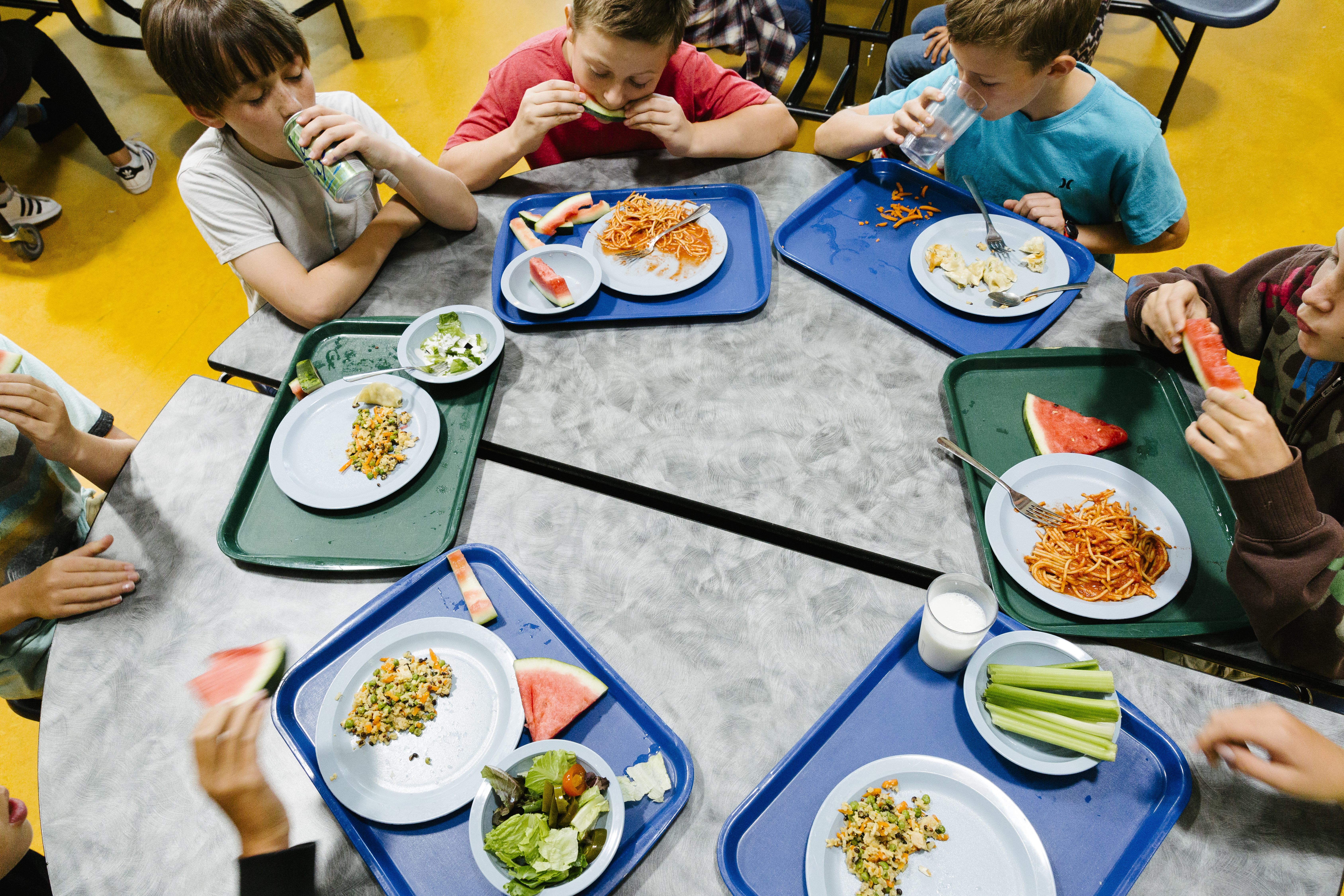
The key to passing the farm bill is the urban-rural coalition of farm-state Republicans (who back farm subsidies) and urban Democrats (who protect the Supplemental Nutrition Assistance Program, aka food stamps).
But rural Republican support is no longer automatic, as small-town social conservatives take aim at food stamps. House Freedom Caucus members have backed deep cuts to the program in budget resolutions: Work requirements and other means of tightening the program, all billed as ways to ensure that Supplemental Nutrition Assistance Program aid is targeted to the most deserving, will divide GOP support.
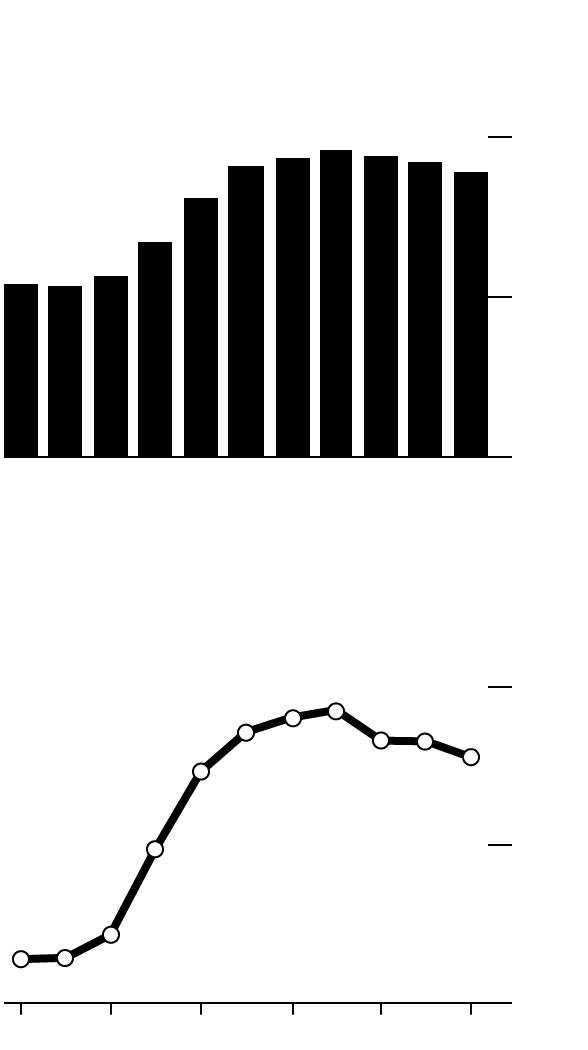
SNAP average participation for fiscal years 2006-16
Millions of people
50M
25
0
’06
’08
’10
’12
’14
’16
SNAP total cost for fiscal years 2006-16
$85B
Billions of dollars
55
25
’08
’10
’12
’14
’06
’16
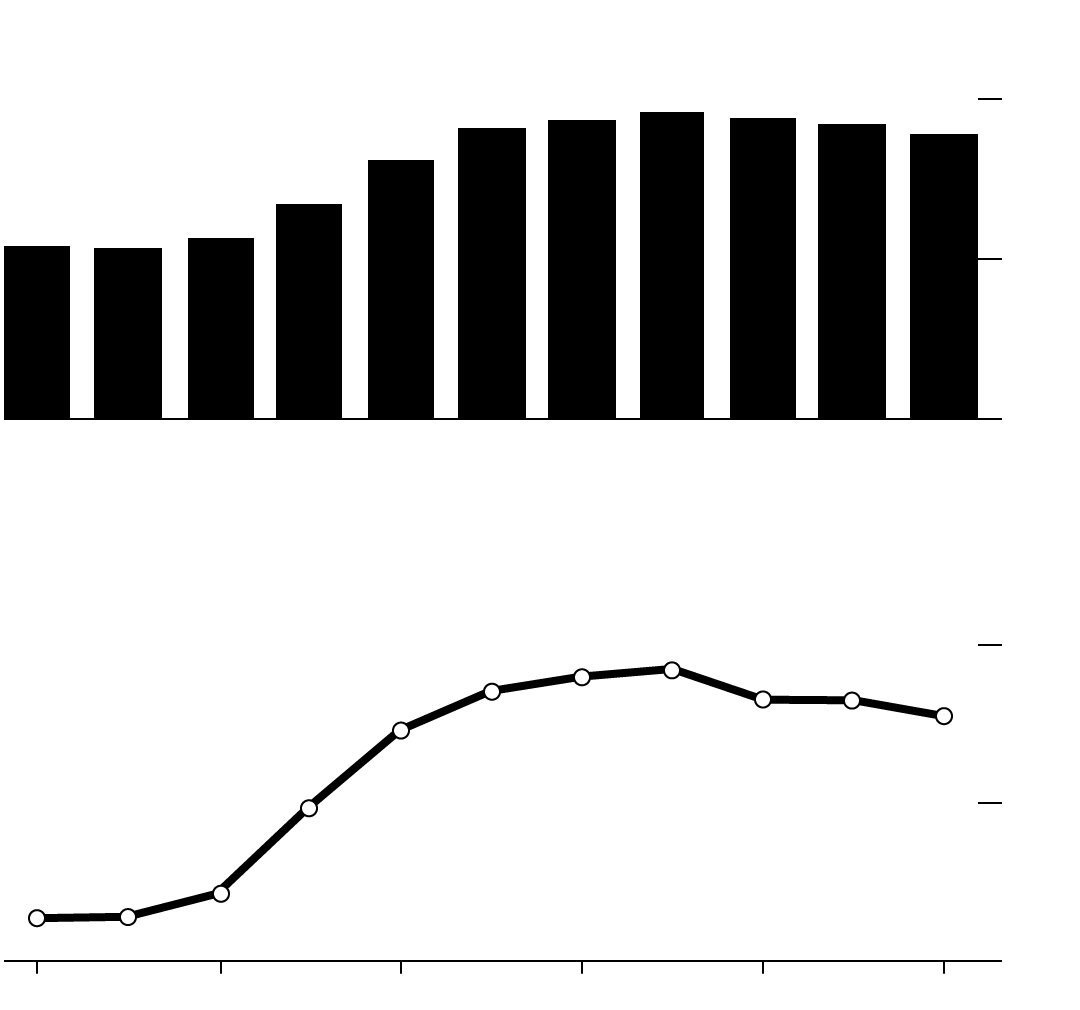
SNAP average participation for fiscal years 2006-16
Millions of people
50M
25
0
’06
’08
’10
’12
’14
’16
SNAP total cost for fiscal years 2006-16
Billions of dollars
$85B
55
25
’06
’08
’10
’12
’14
’16
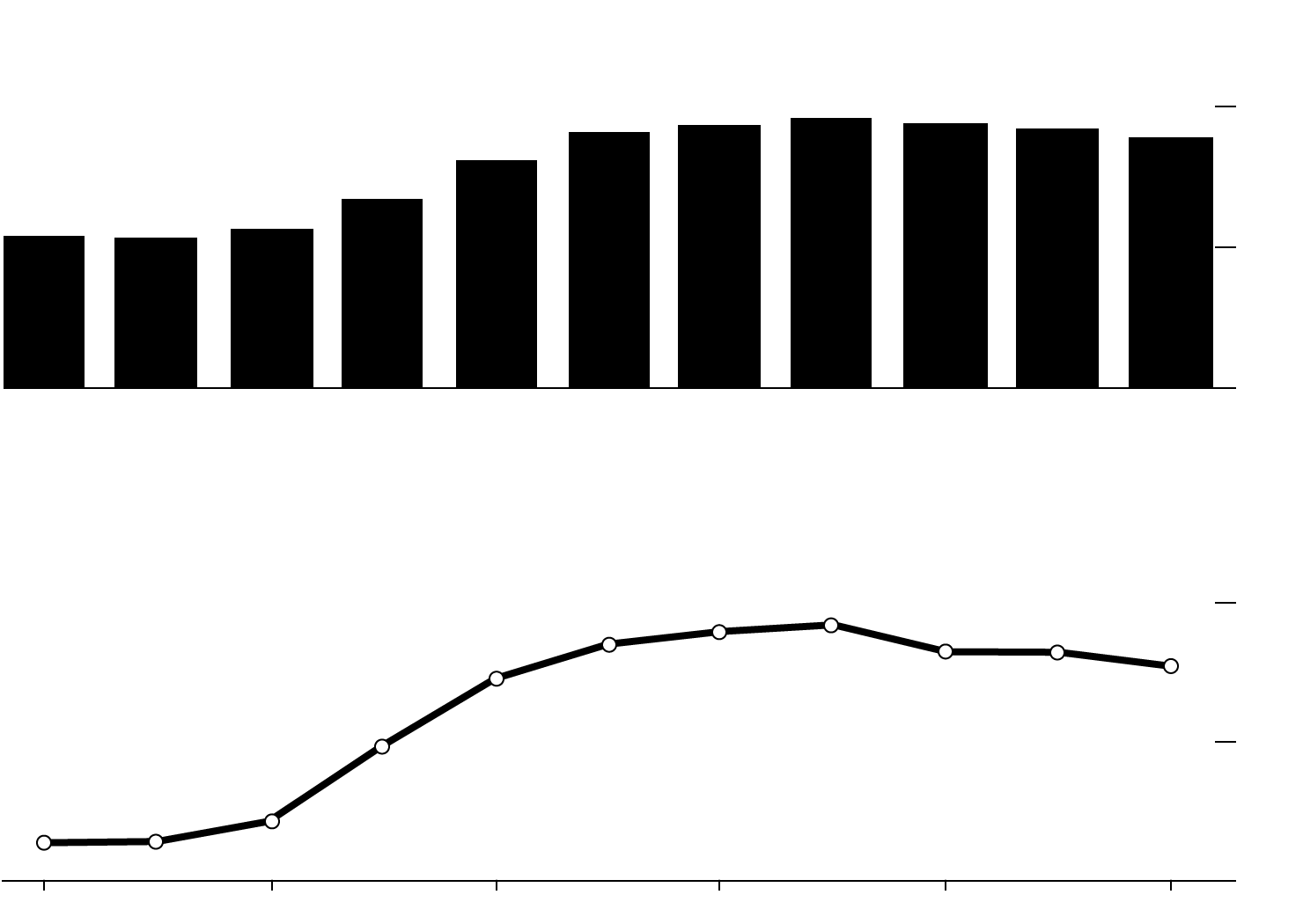
SNAP average participation for fiscal years 2006-16
Millions of people
50M
25
0
2006
2008
2010
2012
2014
2016
SNAP total cost for fiscal years 2006-16
Billions of dollars
$85B
55
25
2006
2008
2010
2012
2014
2016
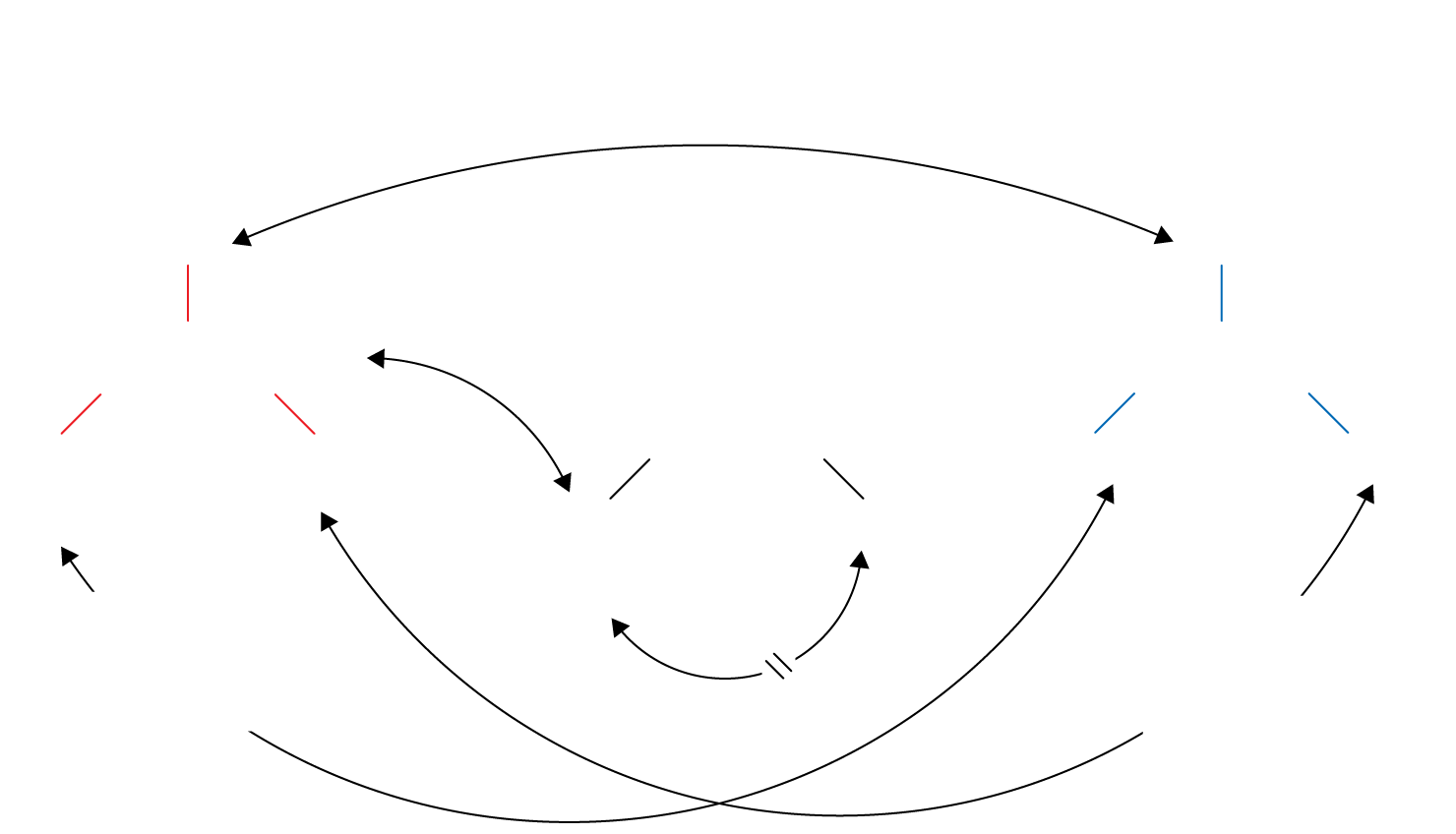
Some Democrats are more absolutist on food stamps than others. Pragmatists, including the ranking Democrats of both the House and Senate agriculture committees, will stomach some changes to the rules to get a bill through. More strident advocates such as Representative Jim McGovern of Massachusetts resist any reductions. The division weakens the Democrats’ united front.
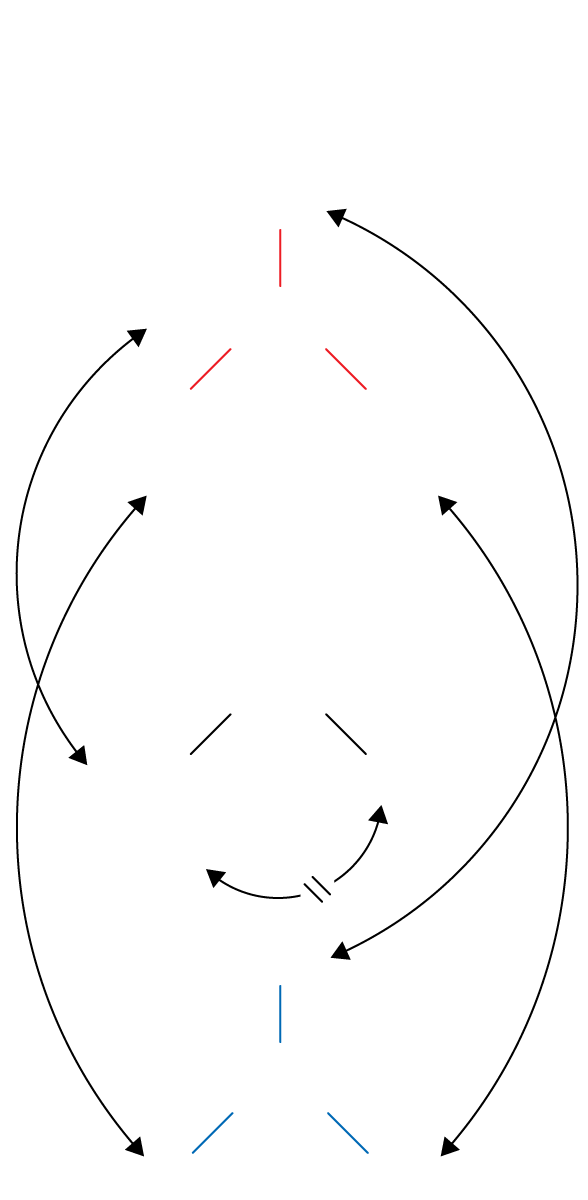
Coalitions form across party lines while divisions arise within SNAP advocates
Rural
Republicans
House Freedom Caucus
Farm
state Republicans
Food
Stamp community
Anti-regulatory food corporations
Nutritionists
Urban
Democrats
Absolutists
Pragmatists
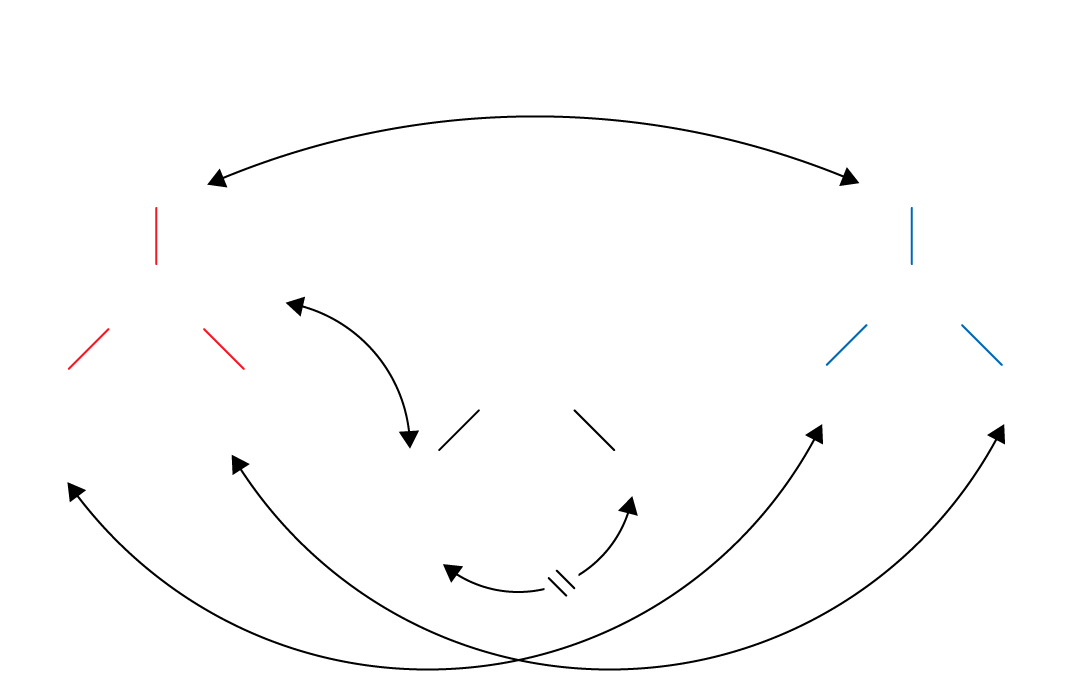
Coalitions form across party lines while divisions arise within SNAP advocates
Rural
Urban
Food
Stamp
community
Republicans
Democrats
House Freedom Caucus
Farm state Republicans
Absolutists
Pragmatists
Anti-regulatory food corporations
Nutritionists
Coalitions form across party lines while divisions arise within SNAP advocates
Rural
Urban
Food Stamp community
Democrats
Republicans
Farm state Republicans
House Freedom Caucus
Absolutists
Pragmatists
Anti-regulatory food corporations
Nutritionists
Absolutists could vote no with members of the Freedom Caucus
Pragmatic Democrats could align with farm state Republicans
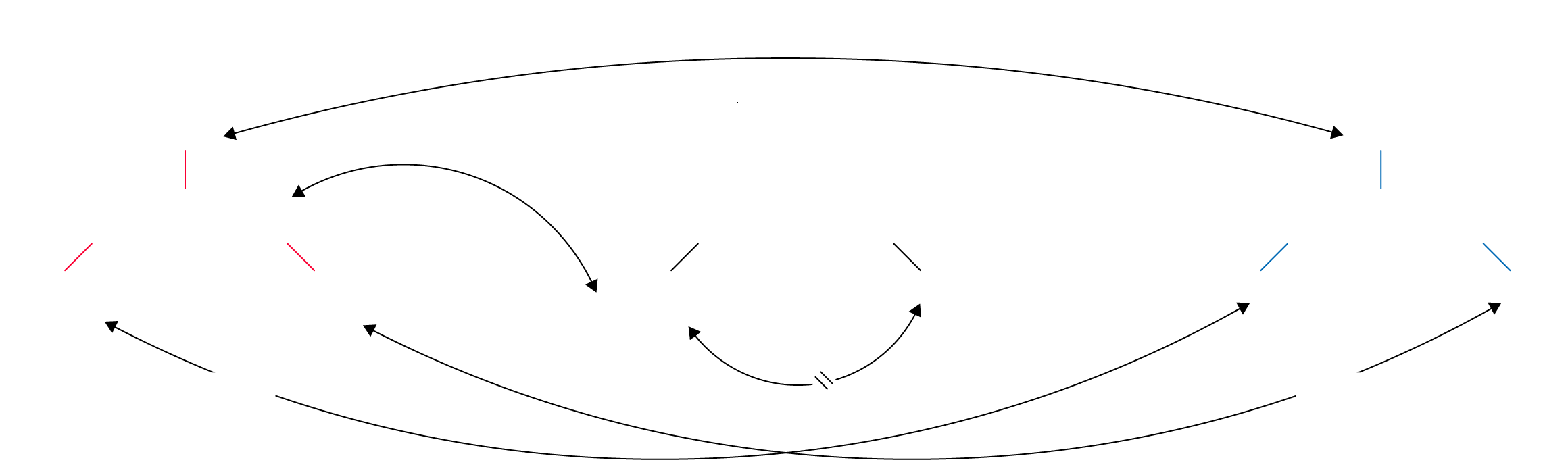
Coalitions form across party lines while divisions appear within SNAP advocates
Rural
Urban
Food Stamp community
Republicans
Democrats
House Freedom Caucus
Farm state Republicans
Anti-regulatory food corporations
Nutritionists
Absolutists
Pragmatists
Absolutists could vote no with members of the Freedom Caucus
Pragmatic Democrats could align with farm state Republicans
The food stamp community itself has divisions. Dietary restrictions in food stamps are supported by many nutritionists as a way to encourage better eating. But the corporate muscle supporting SNAP—the big grocers such as Kroger Co.—don't want the rules, which complicate business and could cut into sales.
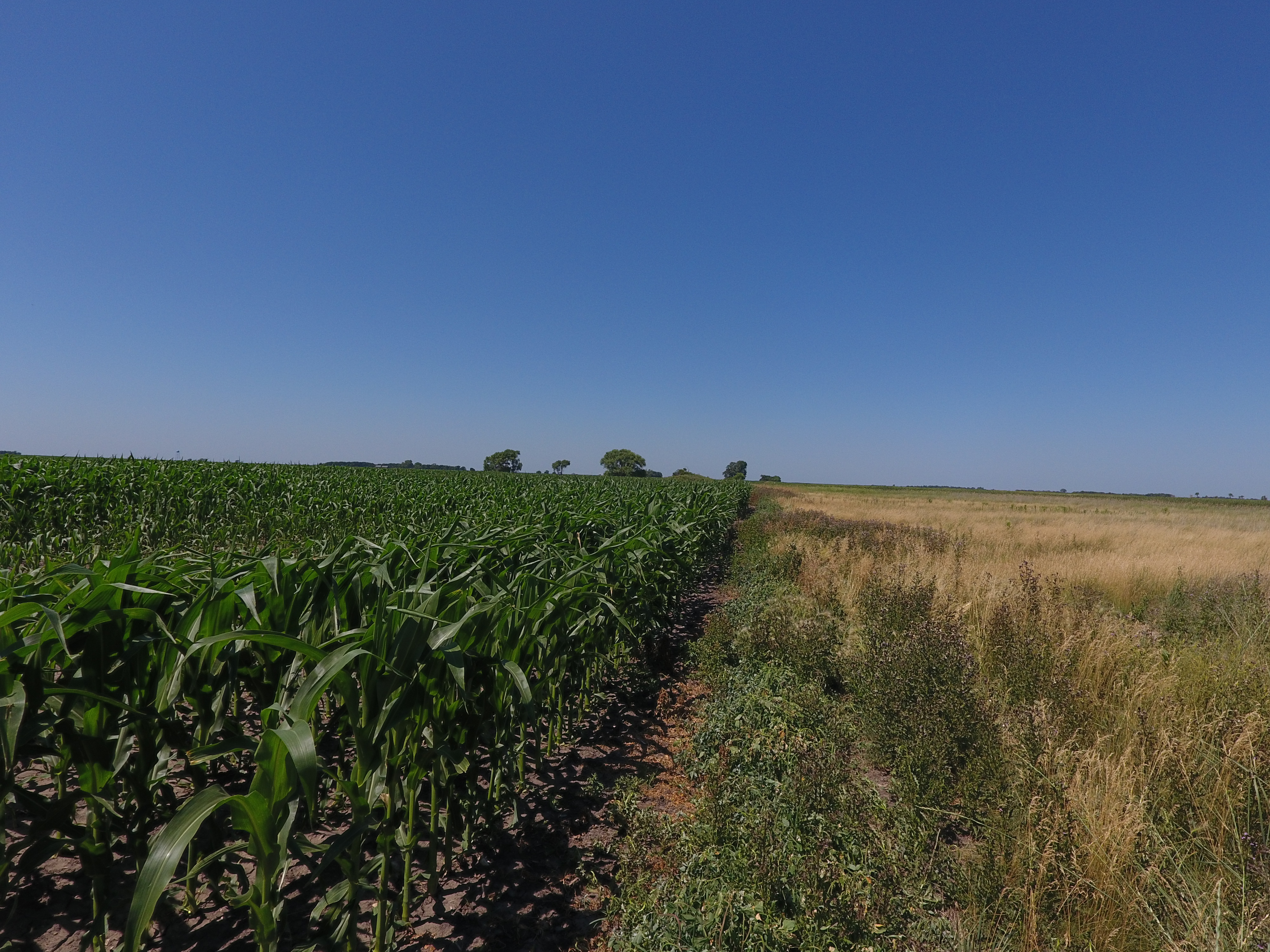
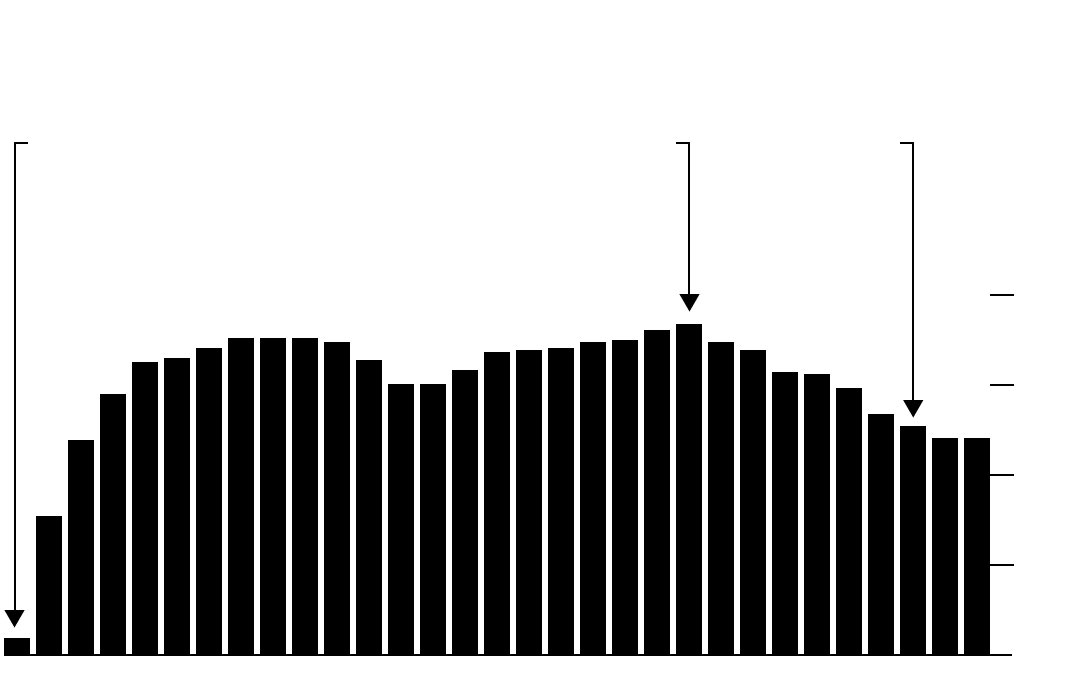
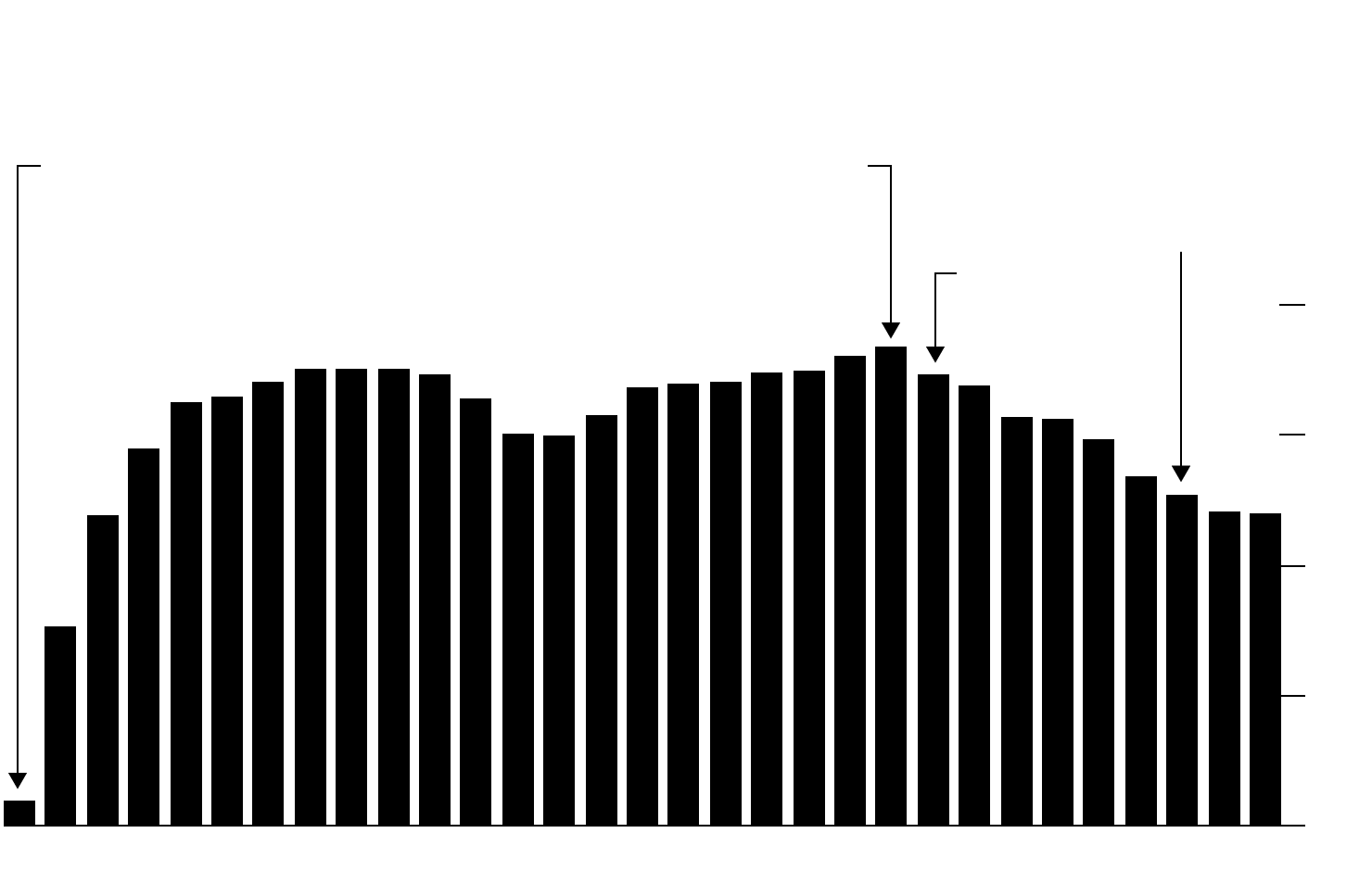
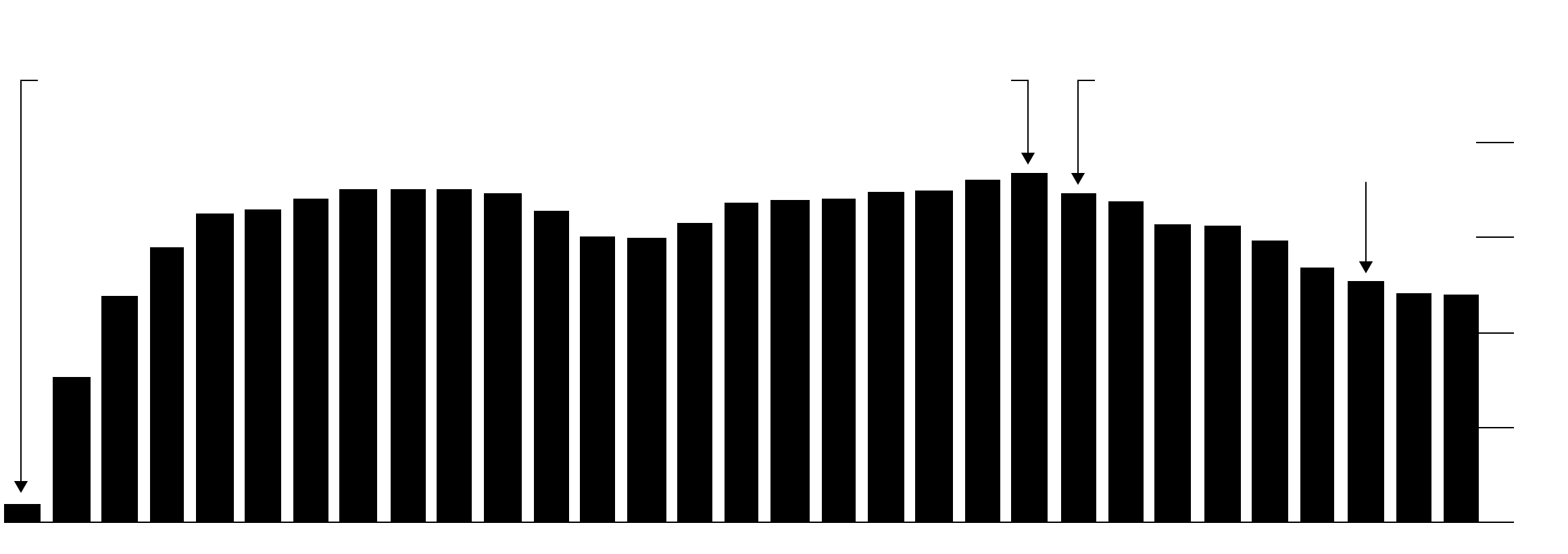
The last farm bill passed in early 2014 after farmers experienced record profits and high crop prices. Prices have plunged since then. That’s made funding for such environmental favorites as the Conservation Reserve Program, which idles erodible lands in return for a fixed payment, attractive. The initiatives channel money to famers who adopt sustainable practices, and in some cases pays them not to plant crops. But money for clean air and water comes with government strings attached, which farmers historically fight.
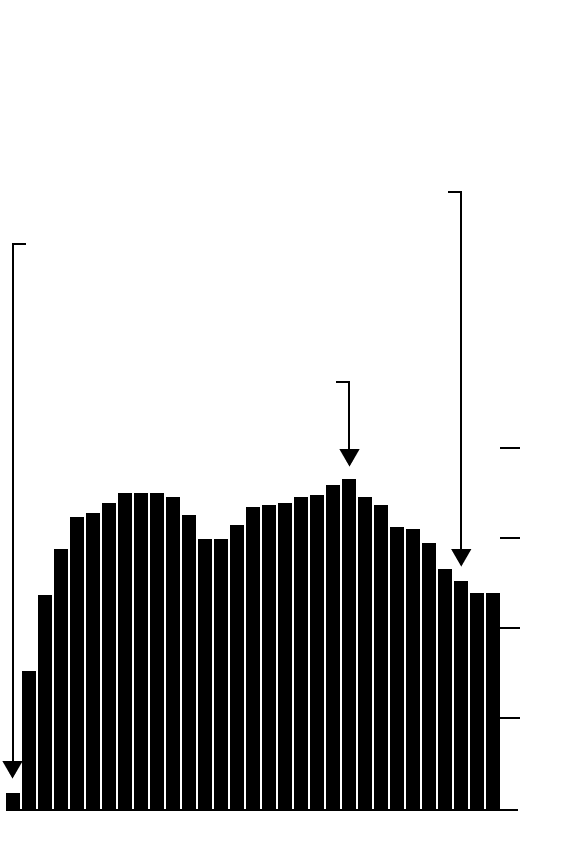
Conservation Reserve Program (CRP) enrollment by fiscal year, in millions of acres
2014 farm bill capped enrollment at 24 million acres
Enrollment began in March 1986
Enrollment peak of 36.8 million acres
40M
30
20
10
0
1986
2016
Conservation Reserve Program (CRP) enrollment by fiscal year, in millions of acres
Enrollment began in March 1986 after CRP was authorized by the 1985 farm bill
Enrollment reached a peak of 36.8 million acres
2014 farm bill capped enrollment at 24 million acres
40M
30
20
10
0
1986
2016
Conservation Reserve Program (CRP) enrollment by fiscal year, in millions of acres
Enrollment reached a peak of 36.8 million acres
Enrollment began in March 1986 after CRP was authorized by the 1985 farm bill
2014 farm bill capped enrollment at 24 million acres
2008 farm bill capped enrollment at 32 million acres
40M
30
20
10
0
’86
’90
’95
’00
’05
’10
’15
’16
Conservation Reserve Program (CRP) enrollment by fiscal year, in millions of acres
Enrollment began in March of 1986 after CRP
is authorized by the 1985 farm bill
Enrollment reached a peak of 36.8 million acres
The 2008 farm bill capped enrollment at 32 million acres
The 2014 farm bill capped enrollment at 24 million acres by FY 2018
40M
30
20
10
0
’86
’90
’95
’00
’05
’10
’15
’16
Environmental issues divide the farm groups that provide muscle for efforts to pass the bill, as lobbies that support expanded farm payments argue over how much regulation to accept in return. More Republican-leaning organizations such as the American Farm Bureau Federation will push for as little government oversight as possible, while more Democratic-leaning groups like the National Farmers Union are more open to it.
But farmers will unite in wanting more ways to make money. Wheat farmers, for example, have struggled to profit as production costs have risen, and they may find conservation programs that pay farmers to idle land more attractive than raising a crop.
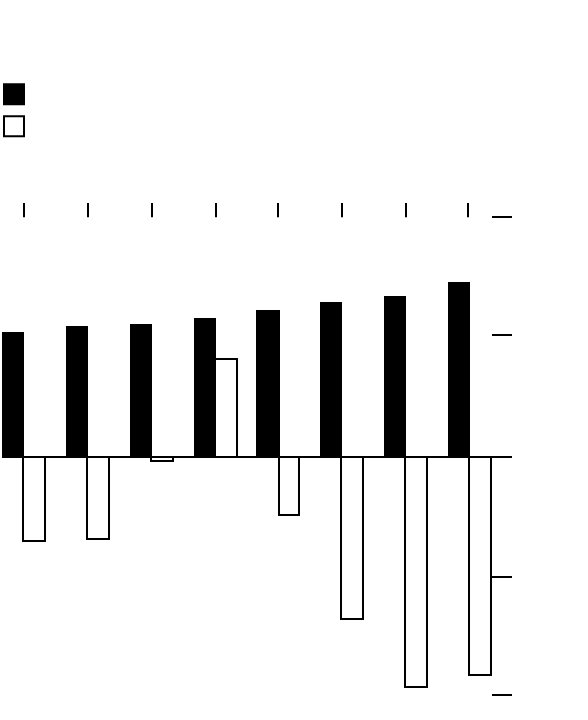
Conservation Reserve Program
Per-acre payment
Per-acre profit for wheat
’09
’10
’11
’12
’13
’14
’15
’16
$100
50
0
−50
−100
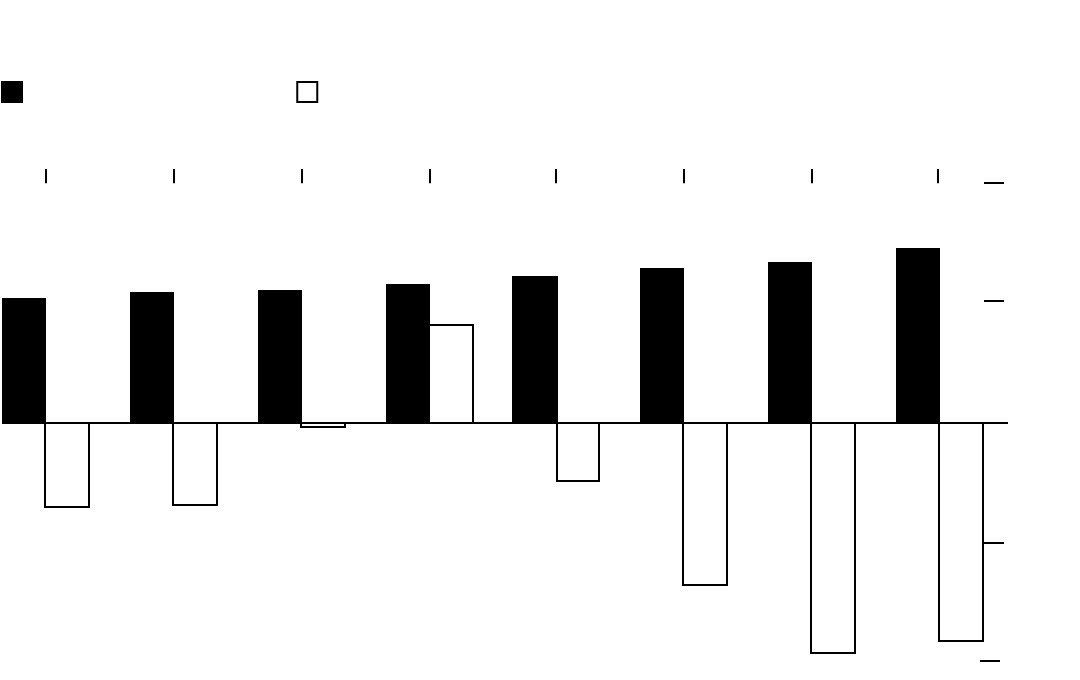
Conservation Reserve Program
Per-acre payment
Per-acre profit for wheat
2009
2010
2011
2012
2013
2014
2015
2016
$100
50
0
−50
−100
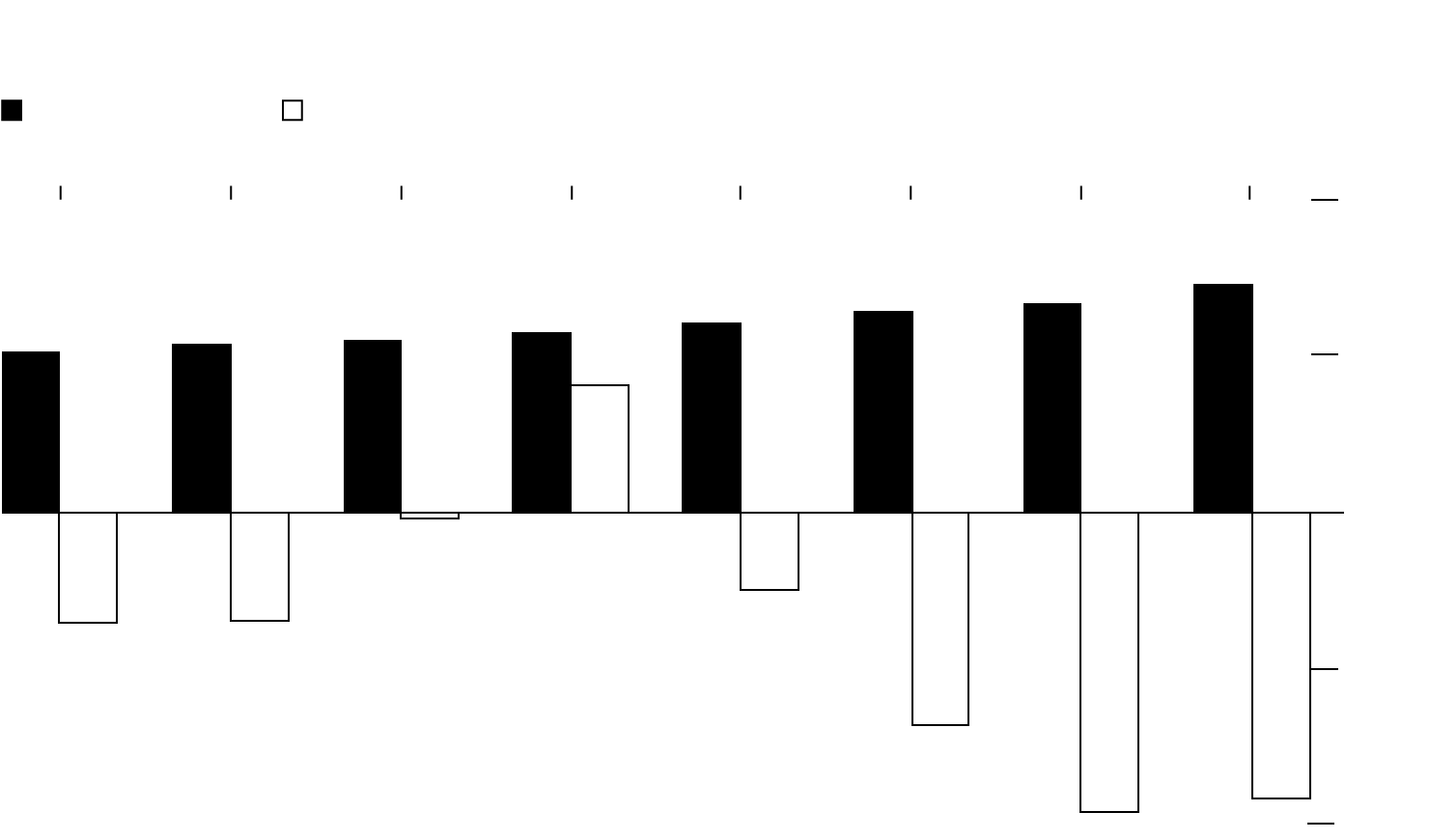
Conservation Reserve Program
Per-acre payment
Per-acre profit for wheat
2009
2010
2011
2012
2013
2014
2015
2016
$100
50
0
−50
−100
But while environmental groups may get more acreage set aside for conservation, they may have to give on other fronts, such as rules that tie crop-insurance payments to conservation practices. A key arbiter: Outdoors groups like Pheasants Forever and Ducks Unlimited, which want to preserve habitat. They have a big say in how environmentally friendly the farm bill will become.
The Budget Hawks overlap with the Welfare Skeptics but aren't exactly the same. Budget Hawks are less worried about welfare dependency than they are about saving money. The Agvocates—farm and rural lobbyists who boost agriculture spending, even if they’re otherwise fiscal conservatives—are the rural part of the urban-rural coalition. They represent the commodity groups that fight over how the bill will allocate money to corn, soybeans, and other crops. They tend to be fiscal conservatives, too, though not when it comes to farmers.
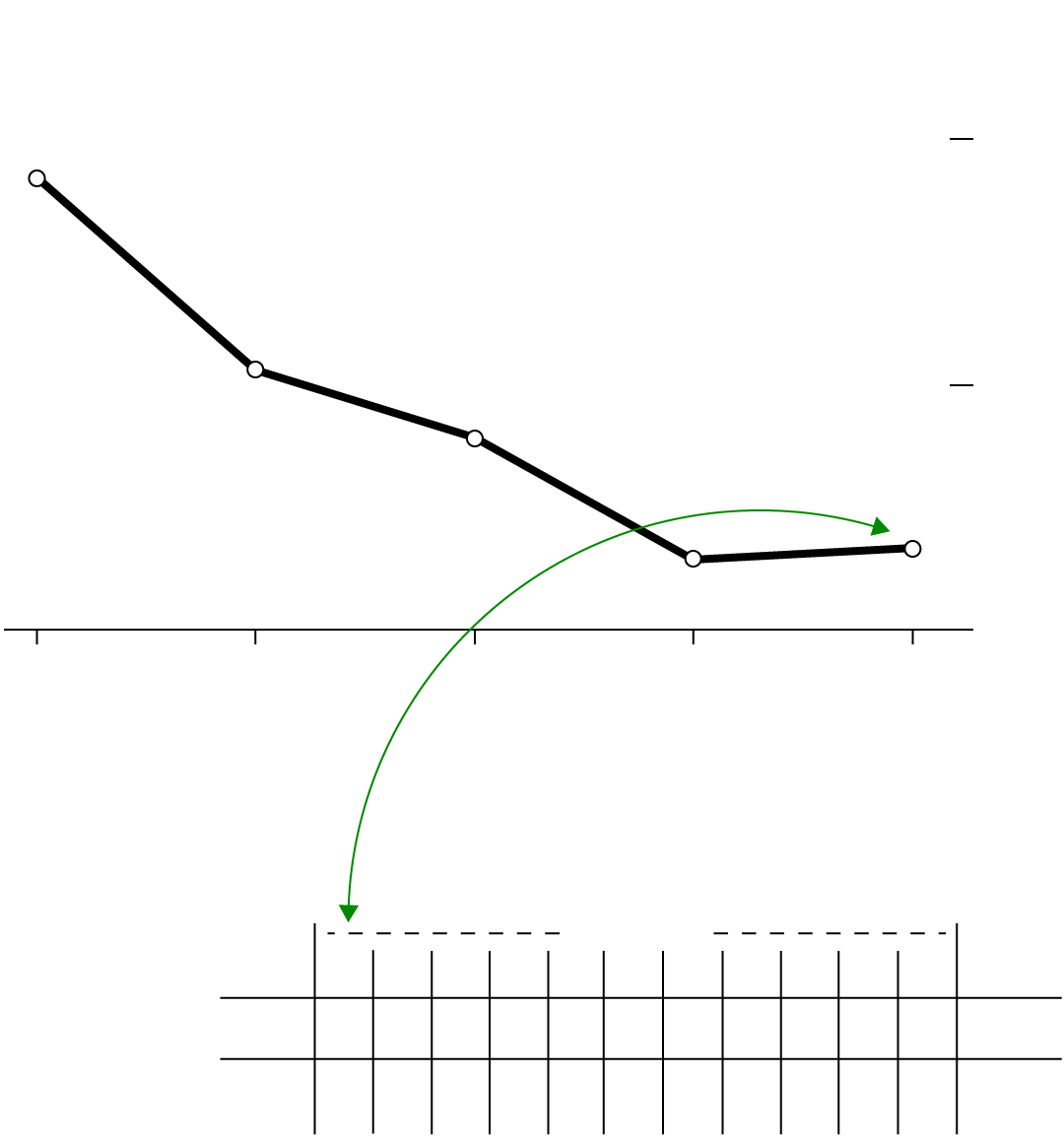
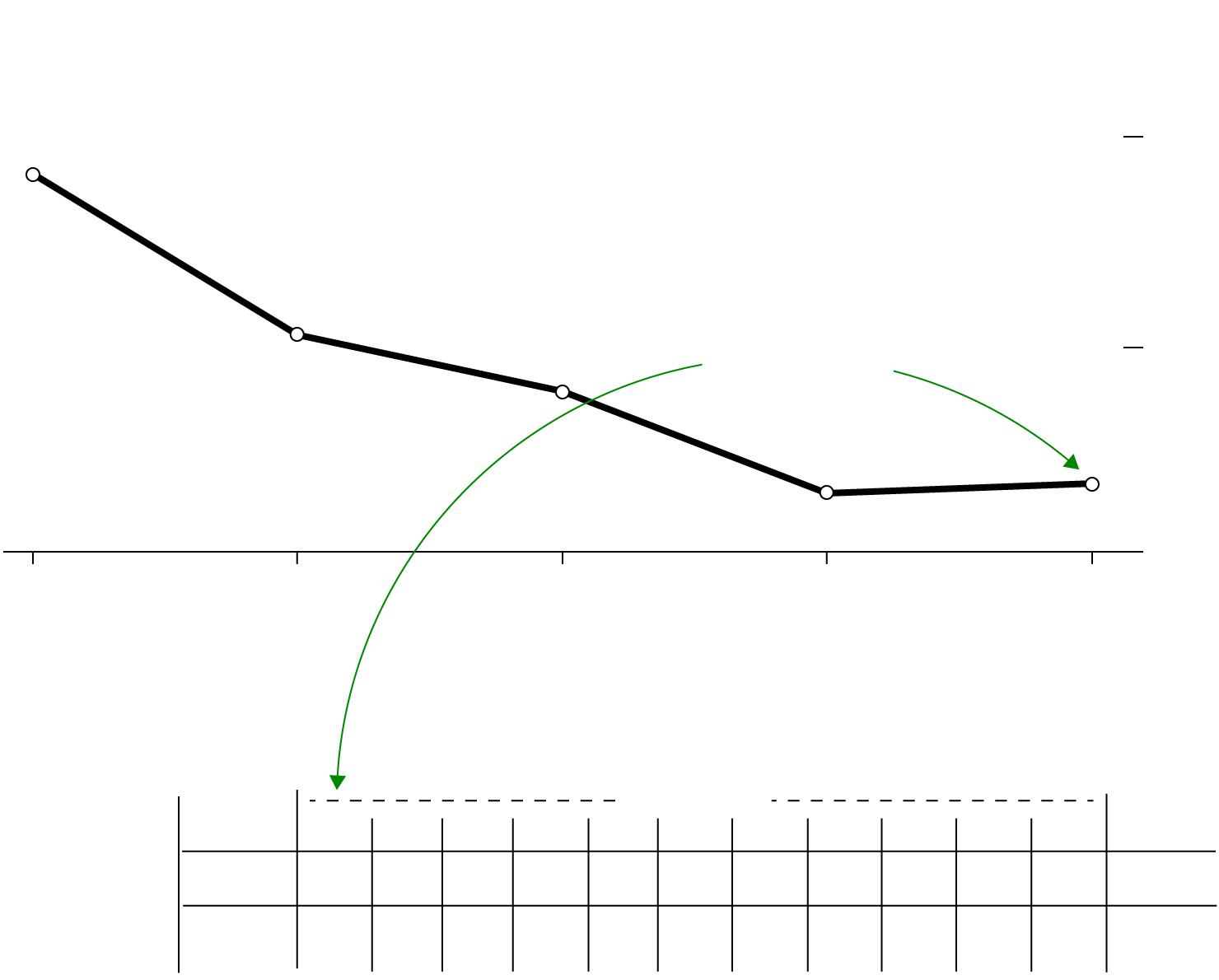
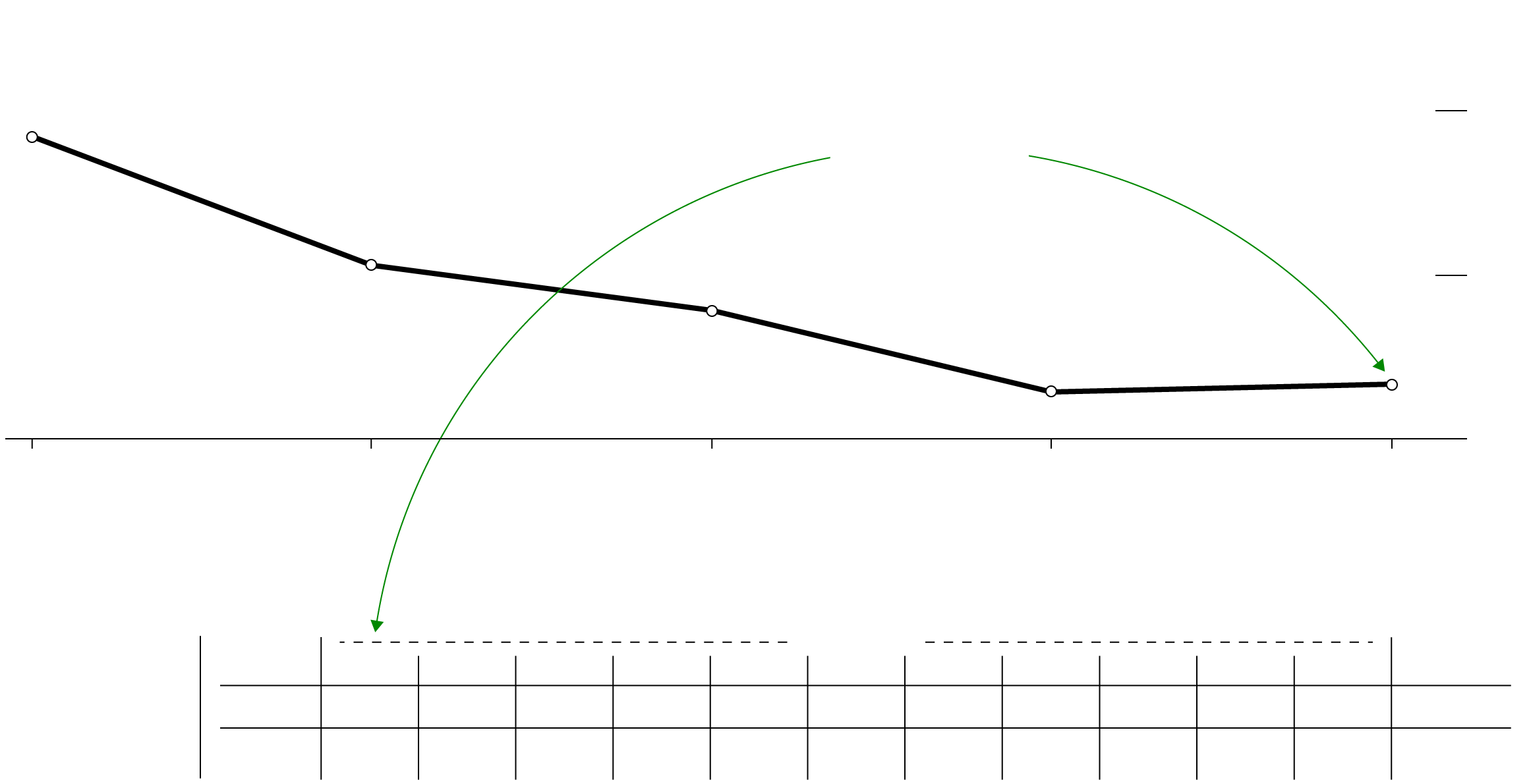
Before the Agvocates can do battle, they need to agree on what they want farm subsidies to look like. That could be difficult this time around. Thanks to chronic budget deficits, the money isn’t there to expand programs.
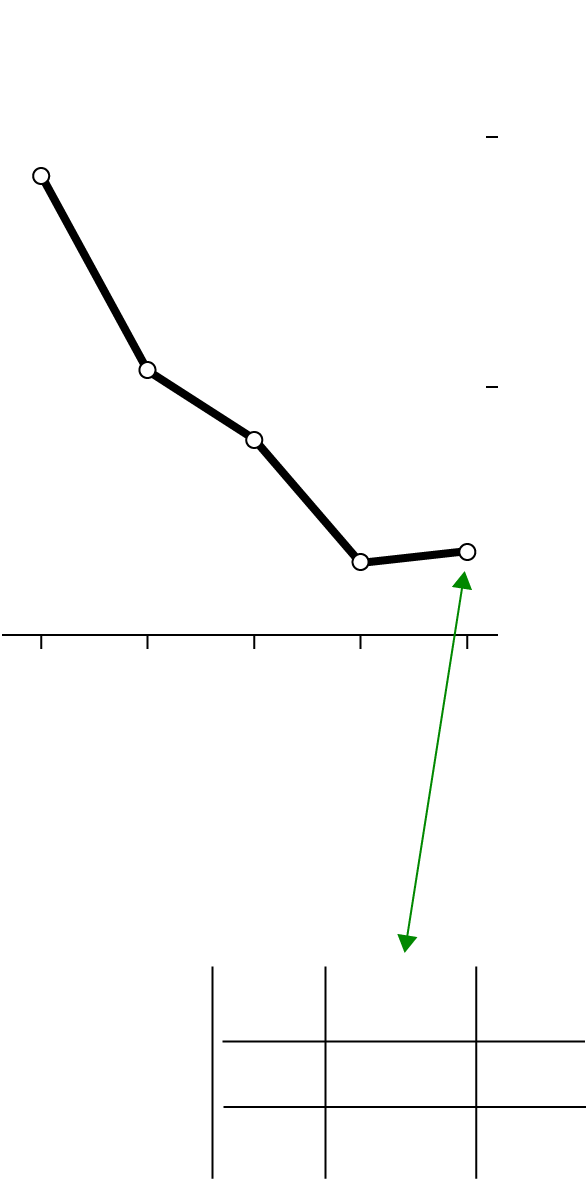
Net farm income
In billions, 2013 through 8/30/2017
$130B
Farm income
in 2017 may rise
for the first time
in four years. With
gradual increases
expected, farm
payments may
stabilize
90
50
2015
2016
2013
2017
(estimated)
2014
Projected Farm Subsidy Spending And Crop-Insurance Payments
In billions, 2013 through 2017
Actual
2016
$7.4B
$4.2B
Projected
2017
8.6
3.5
Total
2017-27
$70.4B
Farm subsidy
spending
Crop insurance
spending
Net farm income
In billions, 2013 through 8/30/2017
$130B
Farm income
in 2017 may rise
for the first time
in four years. With
gradual increases
expected, farm
payments may
stabilize
90
50
2015
2016
2013
2017 (estimated)
2014
Projected Farm Subsidy Spending
And Crop-Insurance Payments
In billions, 2013 through 2017
Projected
Total
2017-27
$70.4B
Actual
2016
$7.4B
$4.2B
’20
4.8
7.5
’22
5.4
8.0
’25
6.3
7.9
’27
5.9
8.0
’21
6.7
7.8
’23
5.5
8.0
’24
5.8
7.9
’19
6.4
7.2
’18
8.5
7.1
’26
6.3
8.0
’17
8.6
3.5
Farm subsidy
spending
Crop insurance
spending
Net farm income
In billions, 2013 through 8/30/2017
$130B
Farm income
in 2017 may rise
for the first time
in four years. With
gradual increases
expected, farm
payments may
stabilize
90
50
2013
2014
2015
2016
2017 (estimated)
Projected Farm Subsidy Spending + Crop-Insurance Payments
In billions, 2013 through 2017
Projected
Total
2017-27
$70.4B
Actual
2016
$7.4B
$4.2B
2027
5.92
8.05
2021
6.70
7.85
2023
5.52
7.96
2024
5.83
7.89
2020
4.84
7.50
2022
5.44
7.97
2025
6.28
7.89
2026
6.29
8.00
2018
8.48
7.08
2017
8.64
3.47
2019
6.45
7.20
Farm subsidy
spending
Crop insurance
spending
Net farm income
In billions, 2013 through 8/30/2017
Farm income
in 2017 may rise for
the first time in four
years. With gradual
increases expected,
farm payments
may stabilize
$130B
90
50
2013
2014
2015
2016
2017(estimated)
Projected Farm Subsidy Spending + Crop-Insurance Payments
In billions, 2013 through 2017
Projected
Actual
2016
$7.43B
$4.16B
Total
2017-27
$70.40B
2017
8.64
3.47
2018
8.48
7.08
2019
6.45
7.20
2020
4.84
7.50
2021
6.70
7.85
2022
5.44
7.97
2023
5.52
7.96
2024
5.83
7.89
2025
6.28
7.91
2026
6.29
8.00
2027
5.92
8.05
Farm subsidy
spending
Crop insurance
spending
Dairy producers and cotton growers both feel they were shortchanged in the last farm bill, while corn, soybean, and wheat farmers are largely happy with current programs. More money for cotton and dairy could mean less for everyone else. But without happiness in all parts of the commodity world, any deal on the farm bill could die before it even gets through the Agriculture Committee.