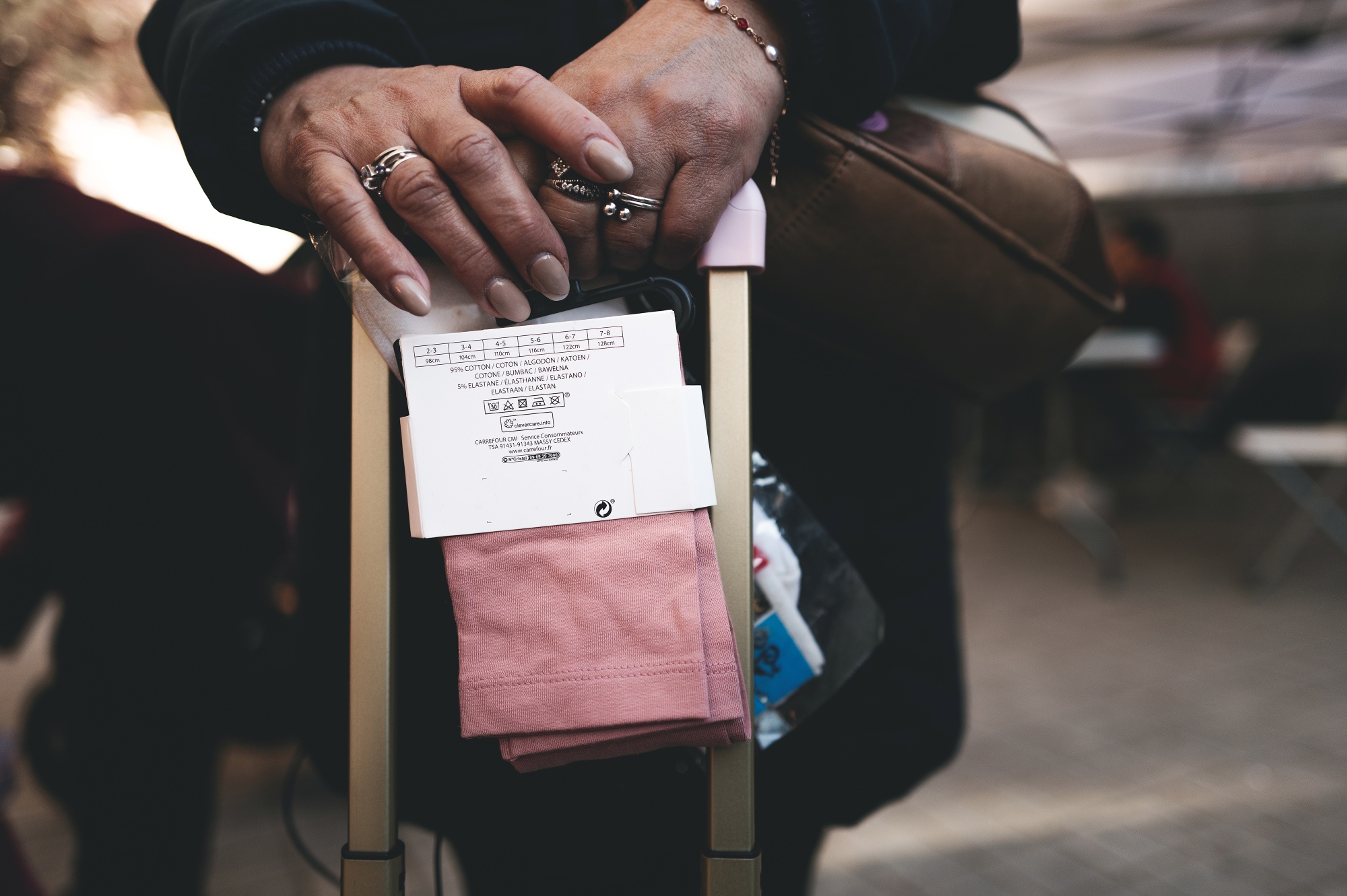
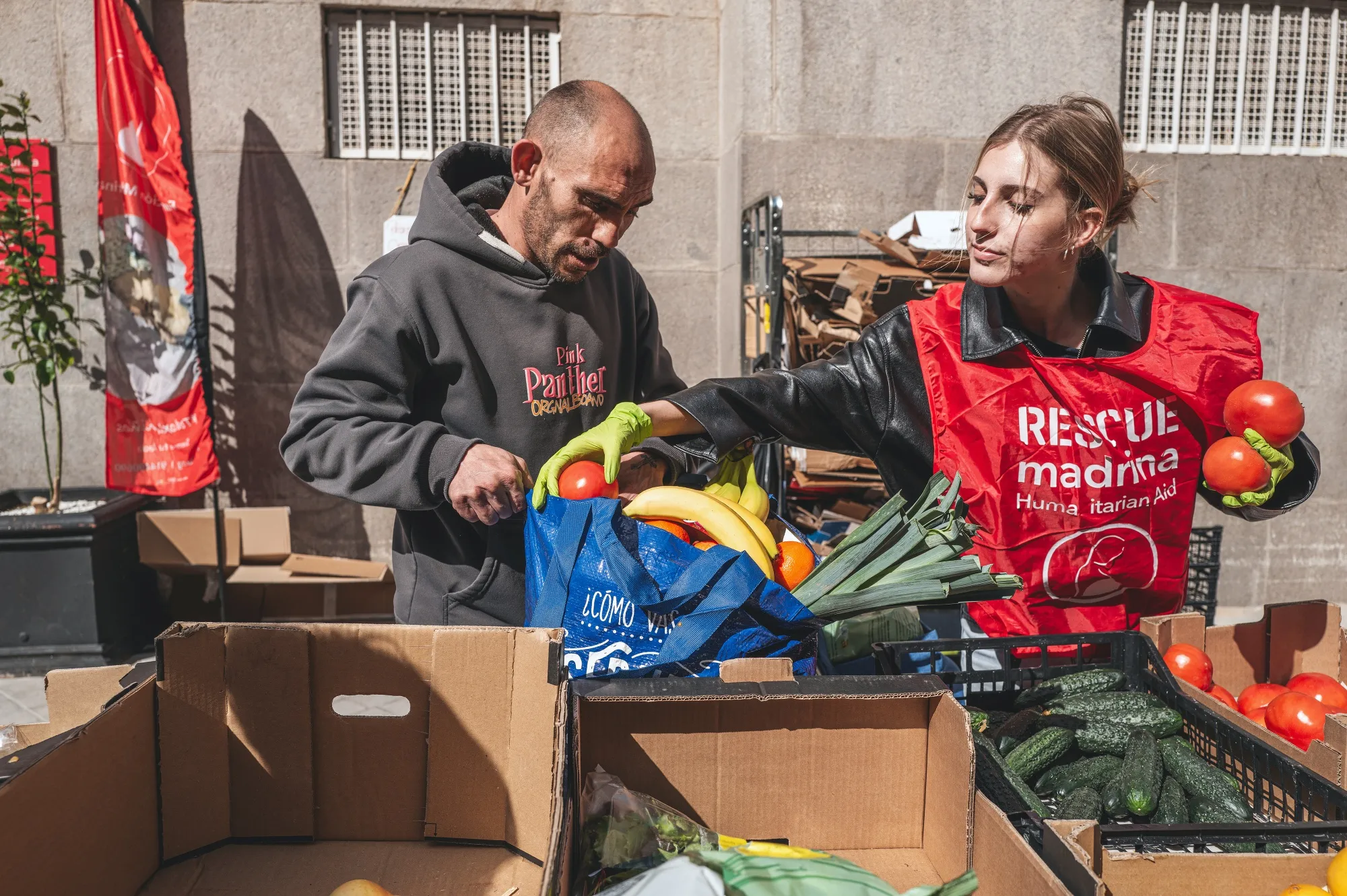
Outside a church in northern Madrid, volunteers hand out baby clothes, diapers and fresh produce to hundreds of parents twice a week. Mothers and fathers, many holding children, clutch empty bags as they wait in lines that wrap around the red-brick building.
Anadit, a 47-year-old single mother, described her efforts to provide for her child at one recent event as a daily exhaustion. She’s been working as many hours as possible in catering and restaurant services since walking out on a bad marriage nearly a decade ago, but rent gobbles up much of her salary, leaving barely any money for food or utilities.
“I go to bed crying every night because I don’t know what to do,” she added, her voice shaking. “My daughter has been through enough.”
Similar stories were shared by dozens of families who spoke to Bloomberg over the past three months, asking for their full names to be withheld to protect the privacy of their children. At the church some parents said they had traveled several hours from other cities and towns for help.
Lea este artículo en castellano.
While Spain’s economy has outperformed major European Union peers in recent years, around a third of its children face poverty and social exclusion, a share exceeded in the region only by Bulgaria. Yet governments of all shades over two decades have struggled to address that inequality, and to share evenly the benefits of an immigration-fueled boom among the country’s 49 million people.
Child poverty is now so entrenched that, according to one recent study, it comes with an annual price tag of around €63 billion ($74 billion), or about 5% of output. That has already translated into lost future productivity, poorer educational outcomes, and the erosion of health and equal opportunity. Prime Minister Pedro Sánchez’s administration aims to cut the Gordian knot with an annual investment of roughly €18 billion in a universal childcare benefit.
“What is striking here, really, and what is relevant and concerning, is that it’s not only the snapshot but the dynamic,” said Jorge Galindo, director of the Esade Centre for Economic Policy, an independent think tank known as EsadeEcPol. “Spain’s child poverty rate has been stuck between 25% and 30% since 2008, nor has it changed when we have grown economically.”
He attributed that to a “structural problem,” with relatively low social spending not reaching families who need it, and a particularly stark two-tiered labor market, which protects a small core of workers while cycling the majority through low-paid, insecure jobs. Soaring accommodation costs — a long shadow of the housing collapse that followed the 2008 financial crisis — compounds the challenges.
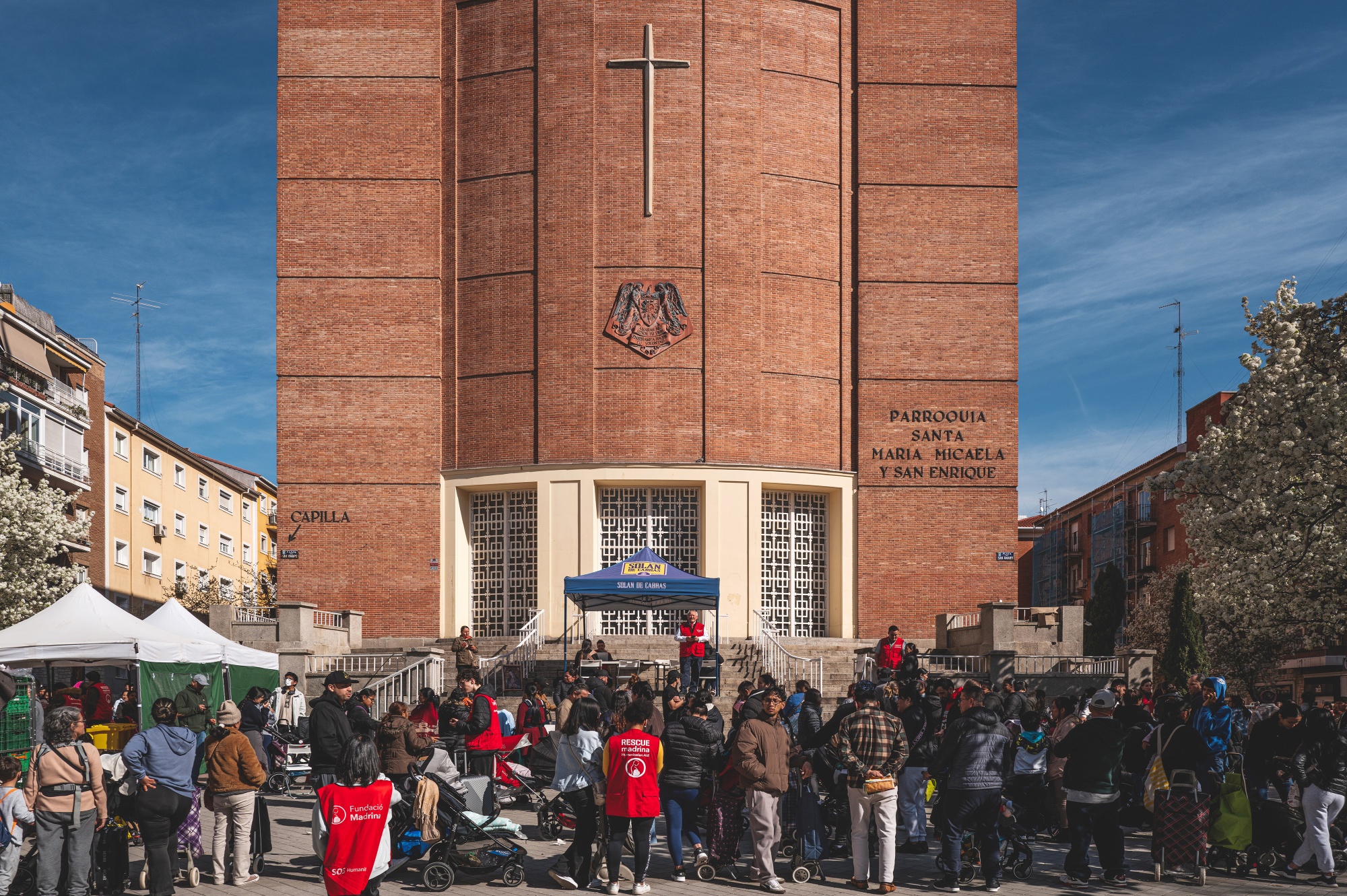
Conrado Giménez Agrela runs the Madrina Foundation’s support hub outside the Santa María Micaela y San Enrique church. He spent much of his career in senior roles at Banco Bilbao Vizcaya Argentaria SA and Banco Santander SA until a sabbatical working with street children in Peru following the experience of a near fatal car crash led him to reassess his life goals. In 2003, three years after setting up the nonprofit, he quit banking.
His idea was simple: help mothers with little means to cover some essentials. It was an attempt to address imbalances in the welfare system set up after Francisco Franco’s dictatorship ended in 1975, which prioritized older generations and left younger people reliant on families, providing them with only limited, fragmented state assistance.
That mission, funded largely by private donations, evolved through the financial crisis, the coronavirus pandemic in 2020, and more recently an inflation-fueled surge in living costs, all of which hit low-income households particularly hard. Today, Giménez Agrela offers a wider range of items to help such families free up their cash for higher rent, utilities and school bills.
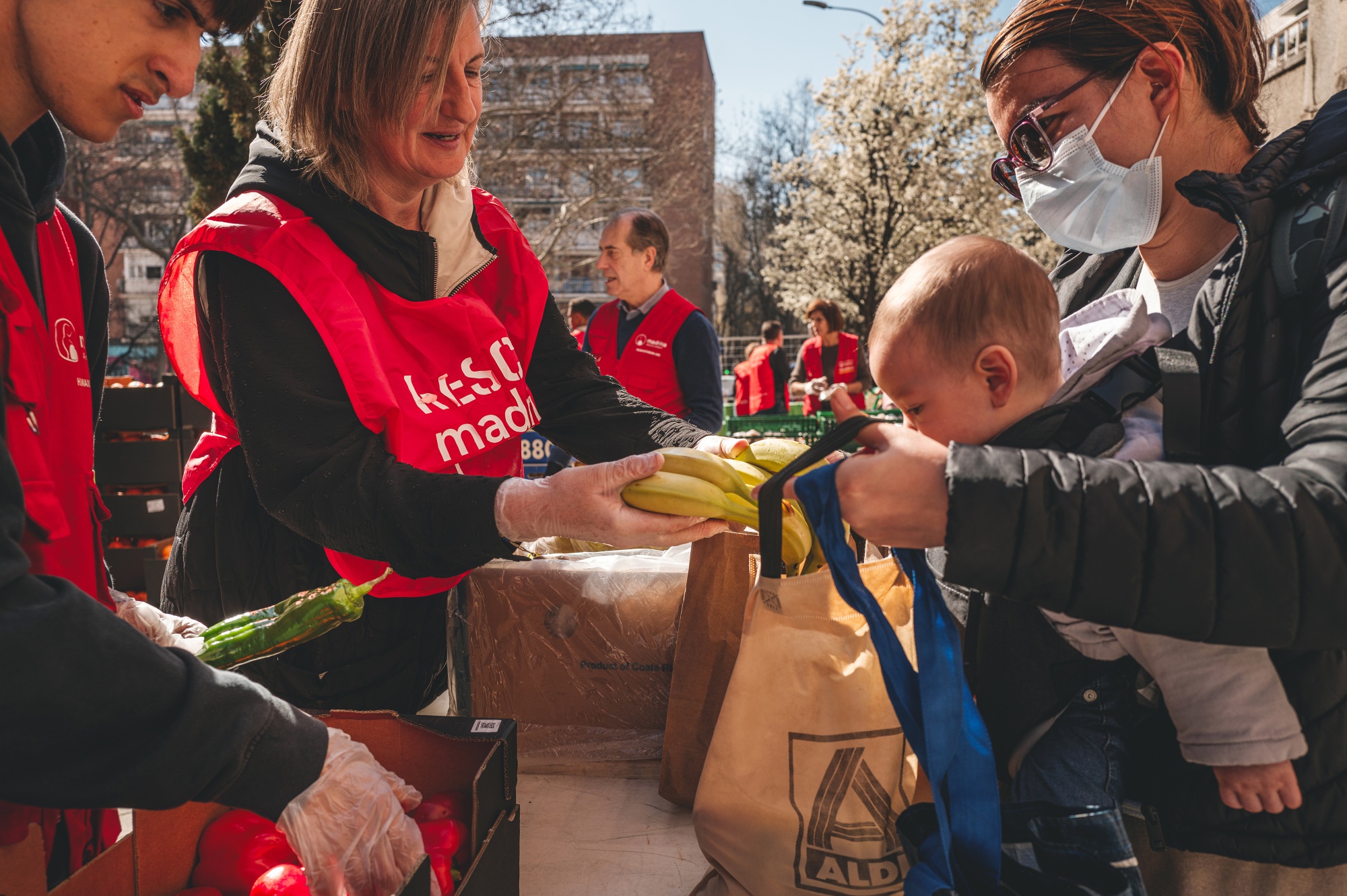
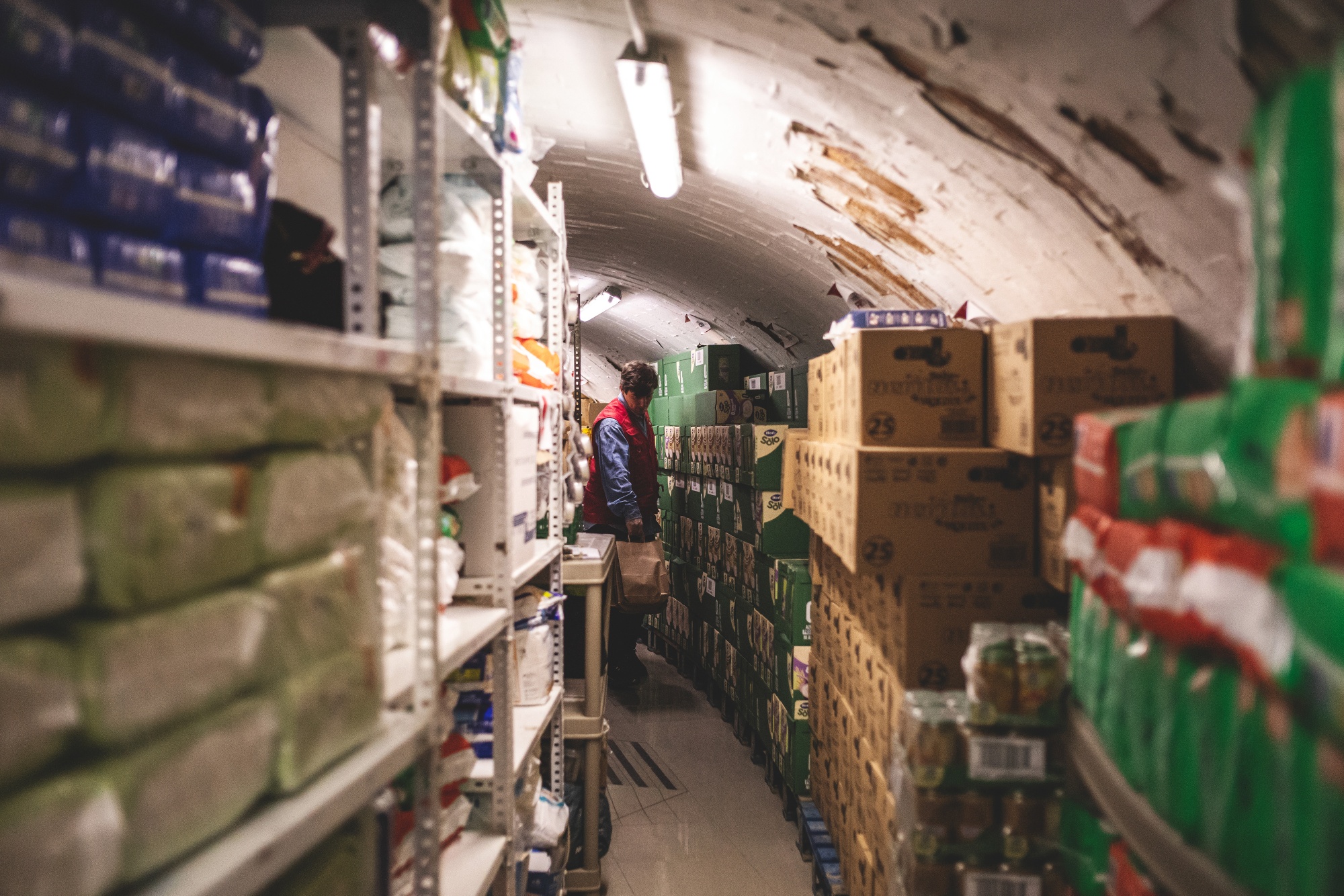
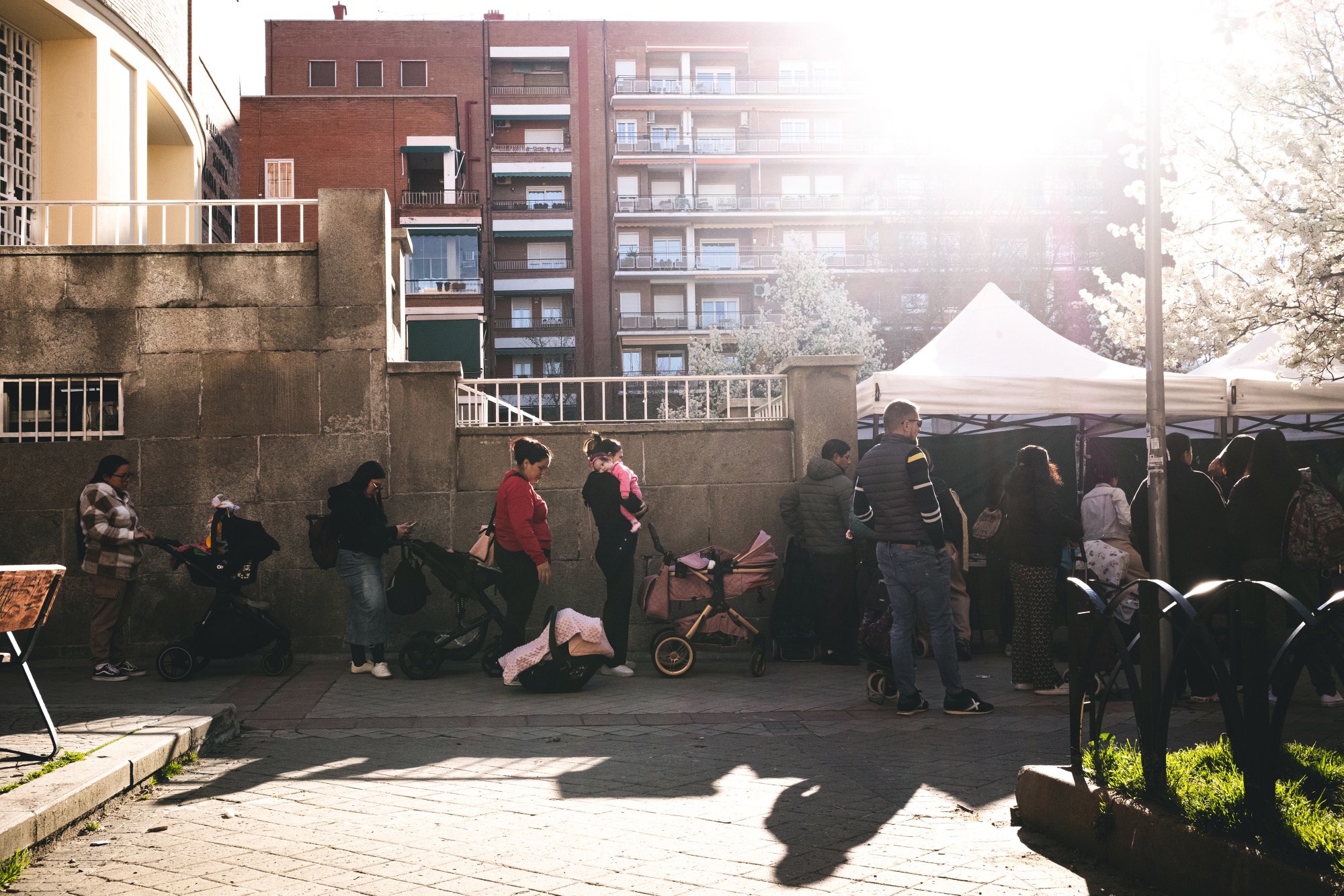
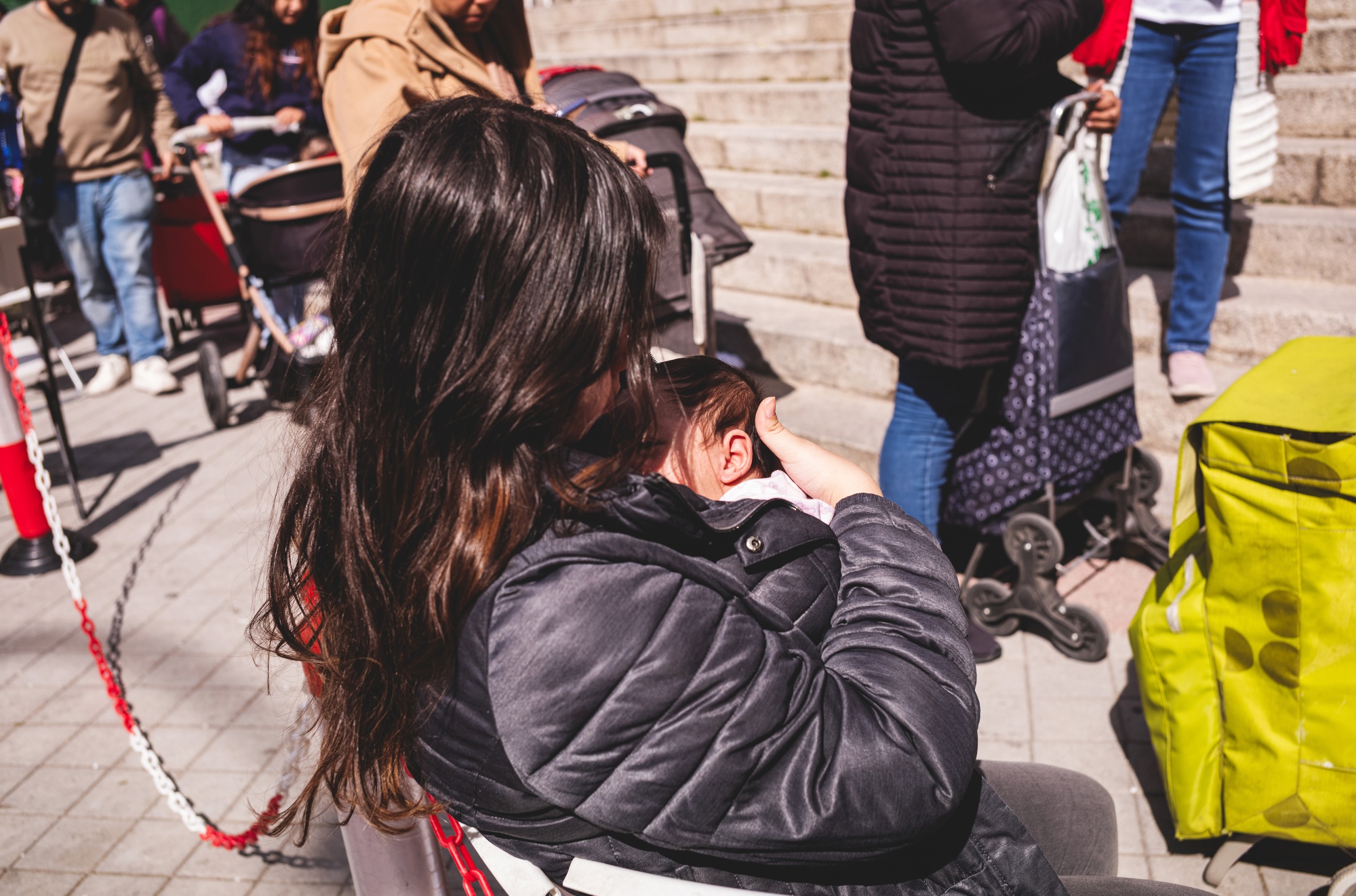
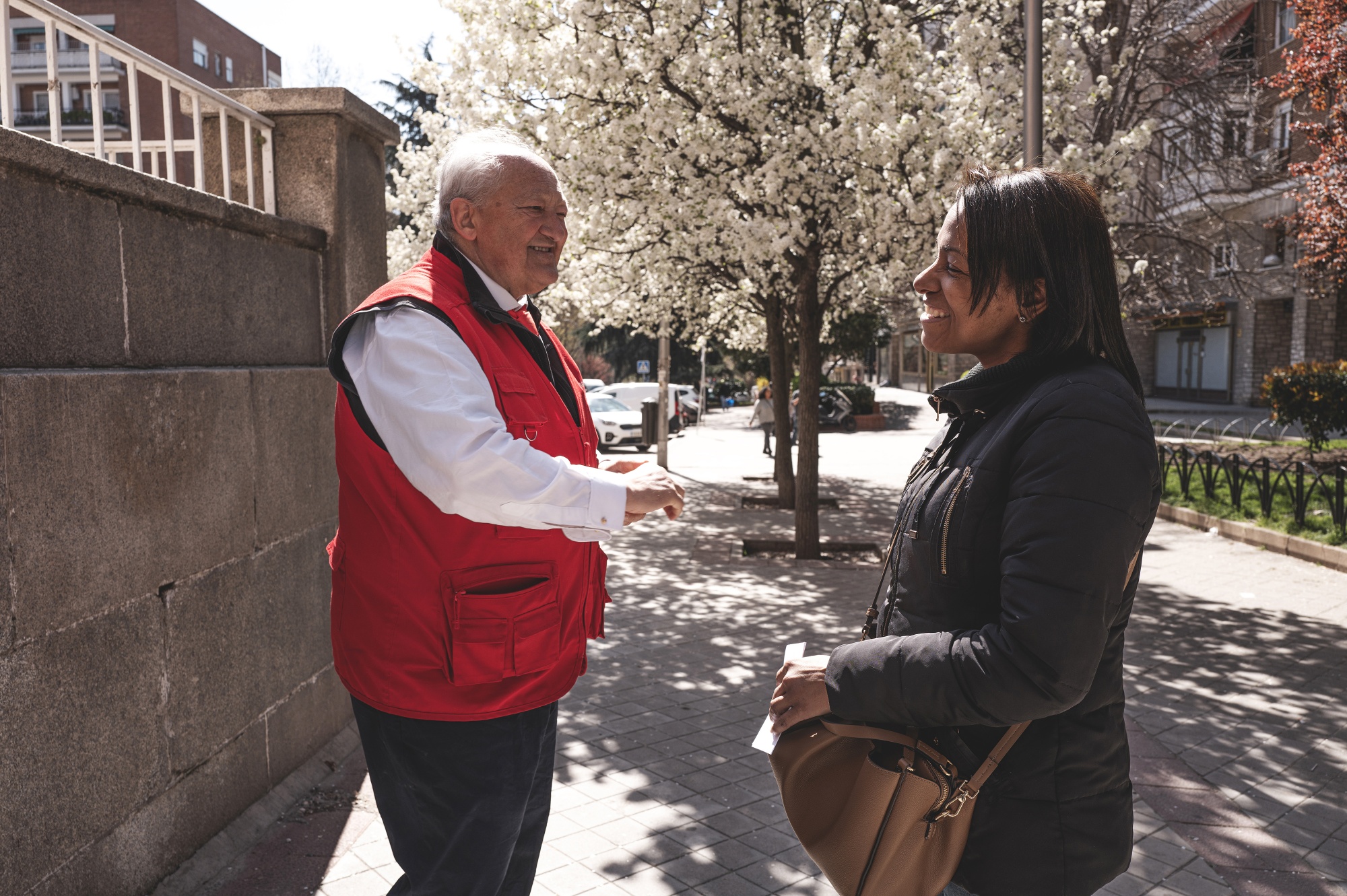
At the organization’s events, Giménez Agrela, aged in his 60s, moves through the crowds lifting toddlers into his arms and speaking with parents, who come to him through referrals — from community groups, social services, health centers, and parishes, as well as by word of mouth.
“What are you?” he asked during a recent information session. He answered himself, describing the family as “the most important company” and parents as entrepreneurs and CEOs. “No company has ever emerged without support or help,” he added, “and that is what you need.”
Giménez Agrela said that he’s assisted nearly one million kids so far, some of them briefly, others for years, and that he expects numbers to increase as the war in Iran jolts global economies. His activism, along with that of many other groups also working to combat child poverty, helped pushed the issue to the top of political debate ahead of elections due by 2027 at the latest.
Authorities, he said, “want to sell the image that Spain is doing very well, when in reality there are millions of families struggling to make ends meet.”
Sira Rego, who became Spain’s first minister of youth and childhood in 2023, said the government is committed to finding a solution. “If the country is doing well, its hardworking people must also be doing well,” she said in an interview.
In his eight years in power, Sánchez has sought to strengthen family support. As the post-pandemic cost-of-living pressures shone a light on the scale of the problem, his previous administration introduced a national minimum income plan alongside a child-specific supplement. The two measures cost around €3.5 billion, approximately 0.2% of gross domestic product, in 2024 and raised Spain’s overall spending on family and child support to about 1.4% of GDP — still well below the EU average.
But only around half of eligible households applied for the first benefit that year, while less than a third applied for the second.
Families outside the church blamed red tape. Even after cutting it, Rego said child poverty levels remained high, making a universal benefit necessary. “It is the definitive tool through which we will bring change,” she said, “because it does not make you go through a stigmatizing filter to access assistance.”
The government is proposing to provide parents with €200 a month for every child under the age of 18, increasing existing spending by roughly 1 percentage point of GDP. The whole support package would be comparable with many EU states’, especially if the new benefit is universal and income‑independent — although some countries, like Sweden, Germany and Denmark, combine cash payments with more extensive childcare provision, parental leave and other family aid.
Spain’s Support for Families Is Among Lowest in the EU
Share of GDP spent on family and children benefits
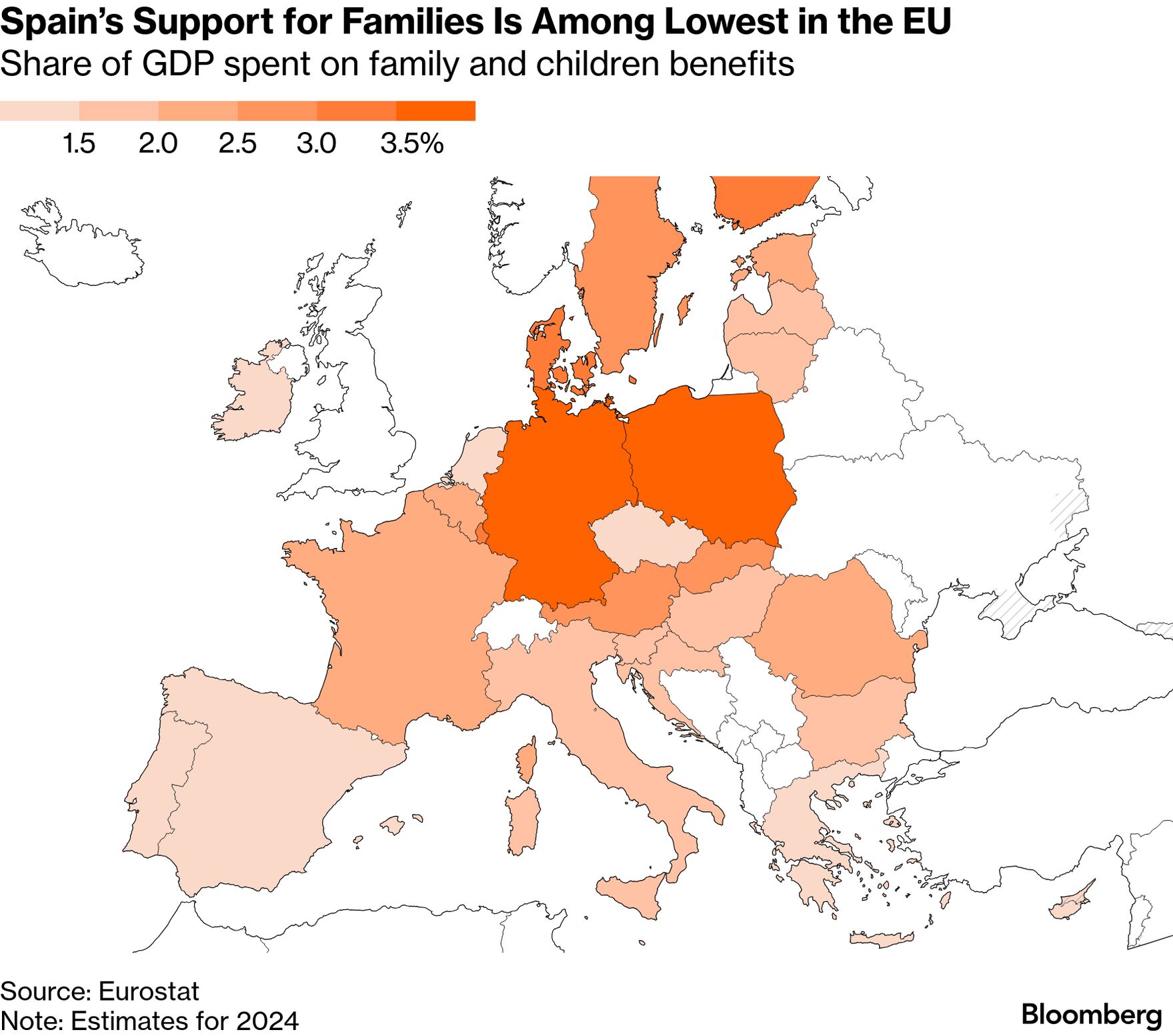
Source: Eurostat
Note: Estimates for 2024
Rego hopes legislation will be enacted later this year, with the aim of lifting around 713,000 children out of poverty by 2030. That’s roughly a third of all children affected.
It won’t be straightforward. Once ministers finalize financing proposals — a wealth tax is one option being considered — the plan must pass a fractured parliament, where Sánchez hasn’t managed to approve a new budget for the past three years. Time to do all that is running out before the election.
Opposition conservative parties back better family support. But they favor a targeted, means-tested approach and will likely resist higher taxes or significant additional public spending, given debt around 100% of GDP. Sánchez’s Socialists may be open to compromise. Sumar — the leftist alliance and junior coalition partner that includes Rego’s communist party — has shown little flexibility so far.
Exploring transfer policies that go through the income tax system and reach families in “a more automatic way” than what’s currently available would help find “a more reasonable balance,” according to Galindo, the EsadeEcPol director.
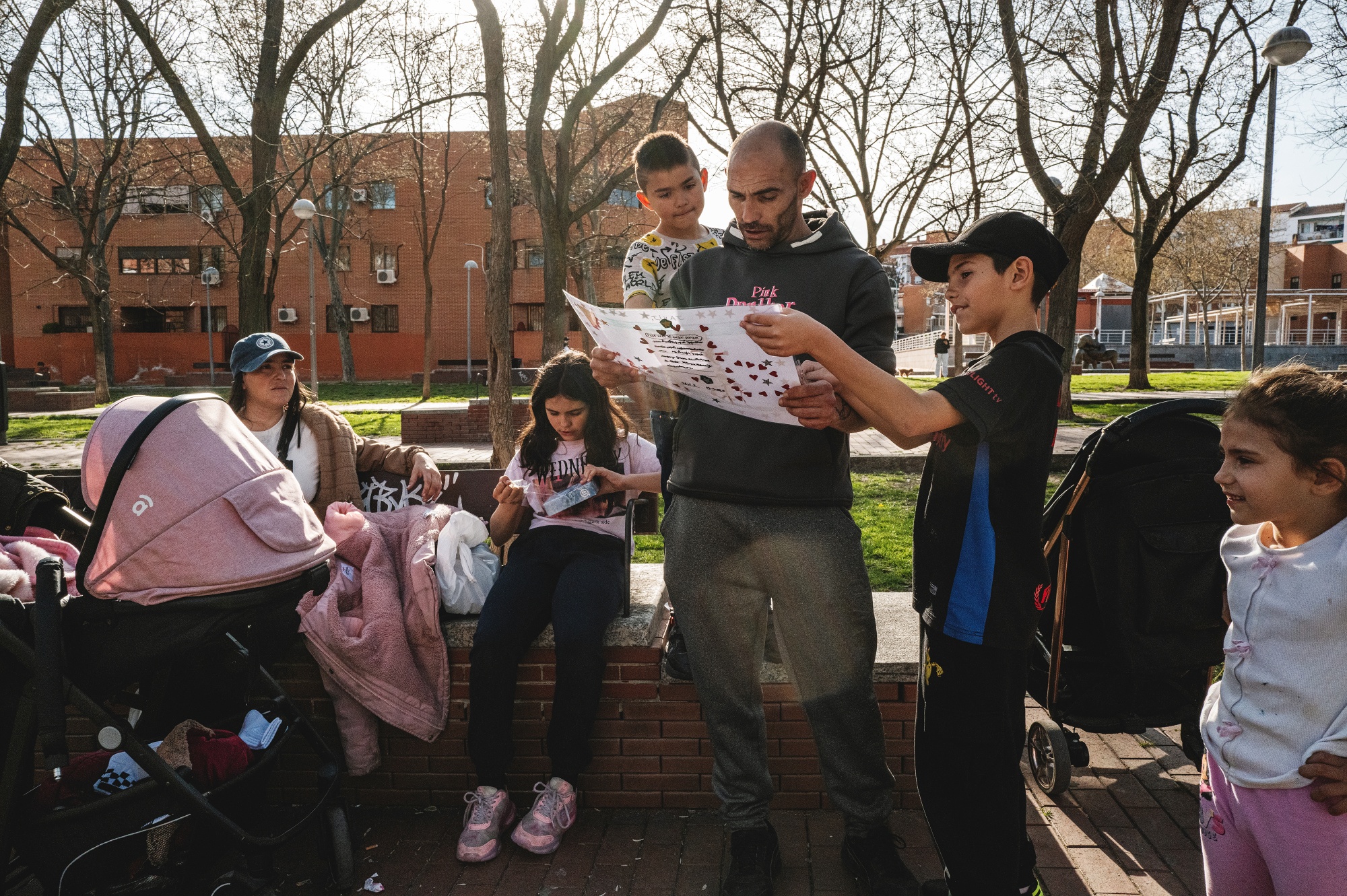
Javier, a father of seven and former boxer who works as a municipal street sweeper in Madrid, earns what he describes as a reasonable wage yet struggles to cover expenses — among a growing pile of bills is €1,300 for three months of school meals. “Depending on what I've been paid, I pay what I can,” the 40-year-old said, lining up outside the church. “I have to go to the bank and ask for my paycheck in advance, and I do this every month. I’m stuck.”
He is willing to work more, but odd jobs offer too little to make a difference, and he is not sure the new benefit would change much either. For him, the entire system first needs reform, starting with the labor market, because it is “made in a way that makes the rich richer and the poor poorer.”
The rapid proliferation of low-wage, temporary contracts helped fuel Spain’s economic growth. It also led to a situation where more than 70% of children at risk of poverty in 2024 lived in households where at least one adult worked, according to a report by Funcas, a think tank based in the capital that focuses on economic and social trends.
Women are affected disproportionately, with several at the Madrina Foundation events describing losing their jobs after their employers learnt they were pregnant. So too are migrants, including Latin Americans who often fall through the cracks despite most of them speaking Spanish. Anadit, for example, a resident since 2018, still can’t teach because her Venezuelan degree is only partially recognized. According to a recent study that draws on data from the last Spanish Survey on Income and Living Conditions, children from a foreign background account for a third of all children in Spain, and a little over half of all those living in poverty.
The higher child poverty rates are linked to greater instances of social exclusion — meaning these children face barriers to full participation in everyday life, from accessing social activities to opportunities for personal development.
Even if the job market were reformed, housing would still be a problem.
A shortage of social and subsidized homes is driving up rental prices. In Madrid, rents have soared over the past decade and landlords now often require proof of income of €3,000- €4,000 a month for a one or small two-bedroom apartment. Many people spend half or more of their salary on accommodation, and once these costs are factored in, the child poverty rate rises by 10.5 percentage points, according to Albert Arcarons Feixas, senior researcher at the Center for Sociological Research, and former head of the Office of the High Commissioner against Child Poverty in the Spanish government.
While the European average for social and subsidized housing stands at around 7% of the stock — reaching between 15% and 25% in northern and central Europe — Spain’s coverage barely reaches 2%, according to a Funcas study.
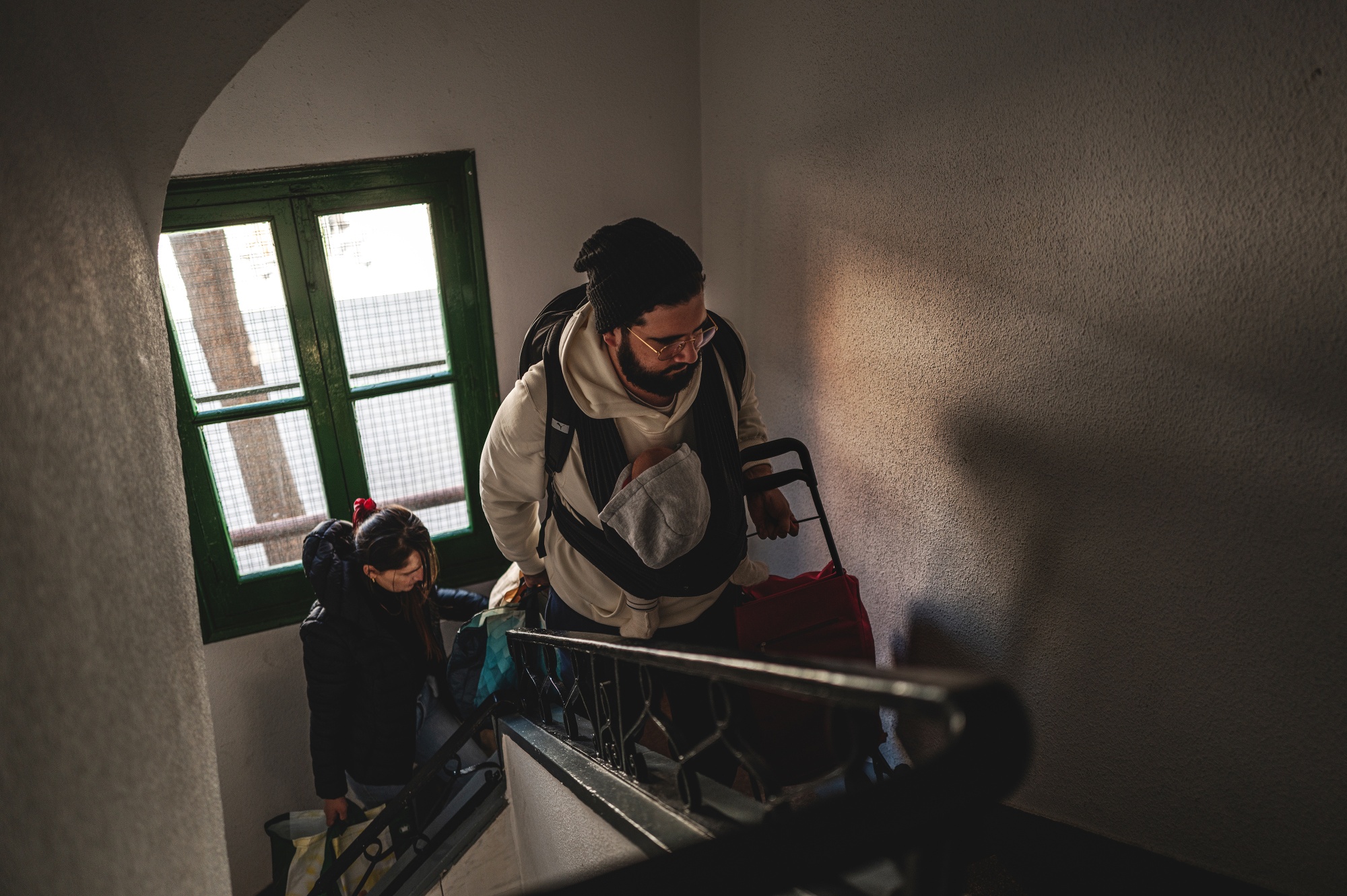
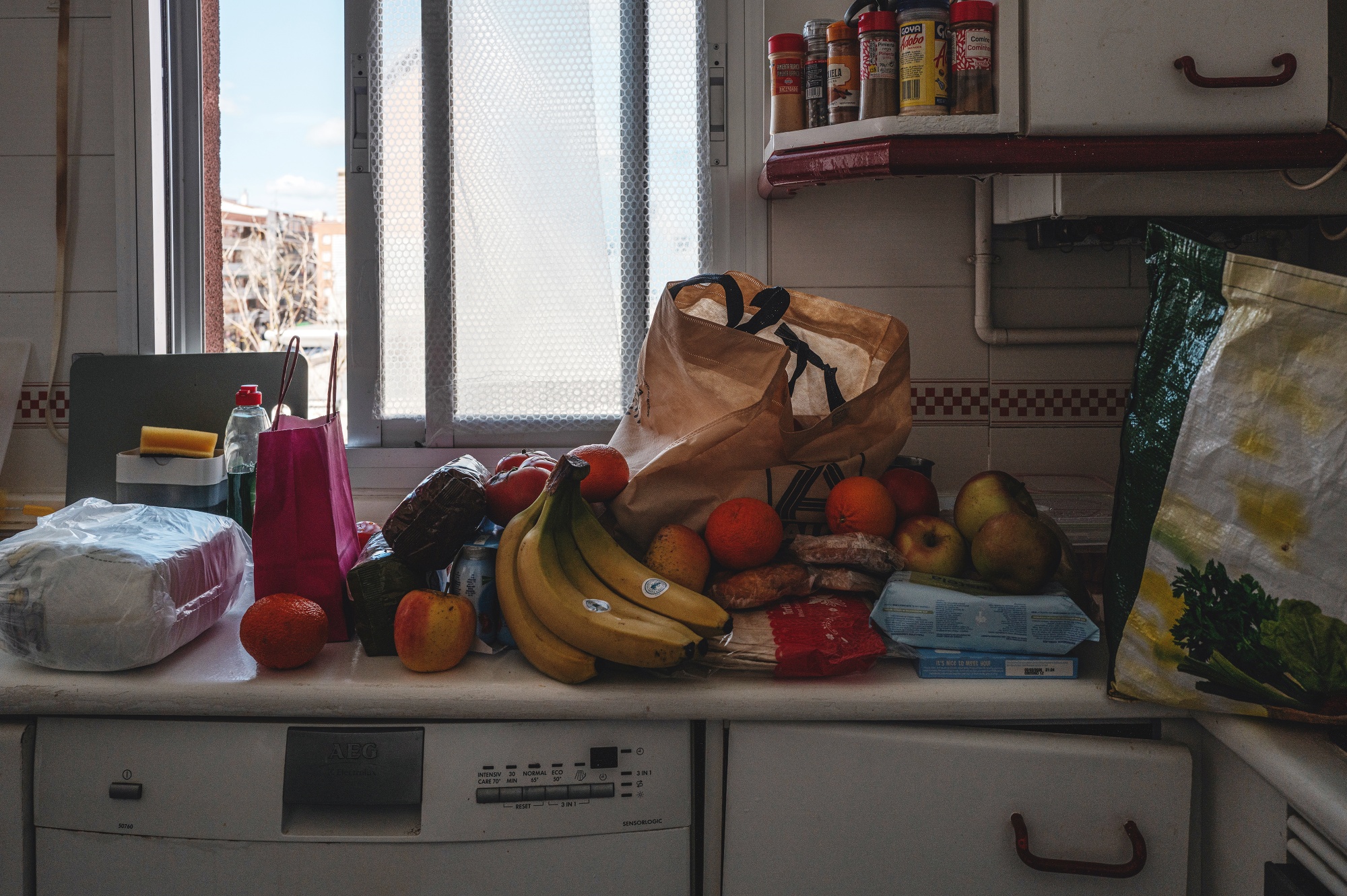
Leaving the church with bags of food, new parents Alfredo, 28, and Jeniffer, 35, said their apartment in southern Madrid has become unaffordable. They fear social housing isn’t an option. “There is limited supply and the processes tend to be lengthy,” Alfredo said. “It’s a topic that weighs quite heavily on us.”
Alejandro Sanz Angulo worries particularly about “the chronic nature” of child poverty in the country. It creates a “cycle that condemns a portion of children to social exclusion in their childhood, in their adult life, and, most likely, also in future generations,” said the researcher at the European Anti-Poverty Network.
He believes that this risks eroding the legitimacy of democracy and trust in institutions.
Such feelings, along with a desire for better job and pay opportunities, have already led many Spaniards, particularly the young, to move abroad since the financial crisis. The arrival of foreign residents began exceeding departures in around 2016, and has helped to drive growth of 2.5%-3% annually post Covid — more than in France and Germany — while easing the pressures created by an aging population.
Spain’s Economy Has Outpaced Euro Area Since Pandemic
Immigration-fueled growth pace is forecast to continue

Source: Eurostat, INE, Bloomberg Economics
Note: Numbers for 2026 and after are forecasts
“There’s a breakdown of the social contract,” said Rego, the minister, reflecting on the challenges. “This logically has social consequences. It has political consequences.”
She added that the labor and housing ministries are also working on proposals as part of what she called a “state pact for the eradication of child poverty.”
For Anadit, an extra €200 per month would make a real difference, but it would come too late. Her current landlord has refused to renew the lease she signed seven years ago or grant her an extension, while prospective landlords have been rejecting her for months, saying her payslips don’t add up. She is at risk of becoming homeless, in the middle of the school year, and with an aging mother to care for, too.
“I have tried telling her not to think about it,” Anadit said of her daughter. “But I can see it weighs on her.”