Eternal Lifeline?
For $200,000, Alcor Life Extension Foundation will cryogenically preserve your body after death. The question is: Why?
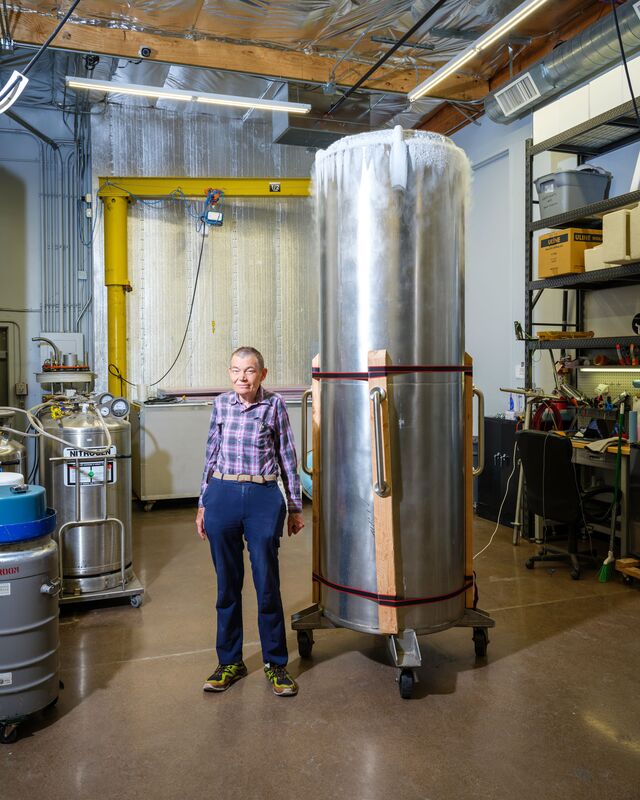
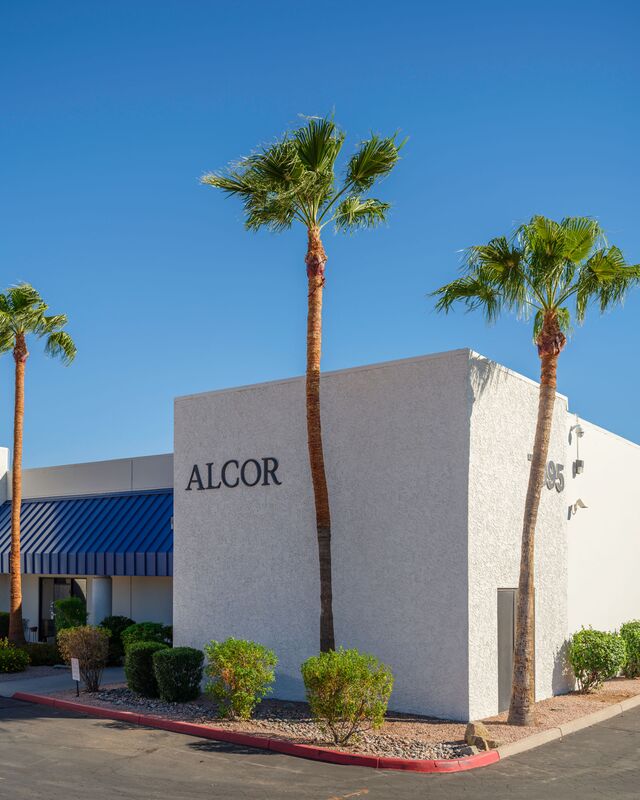
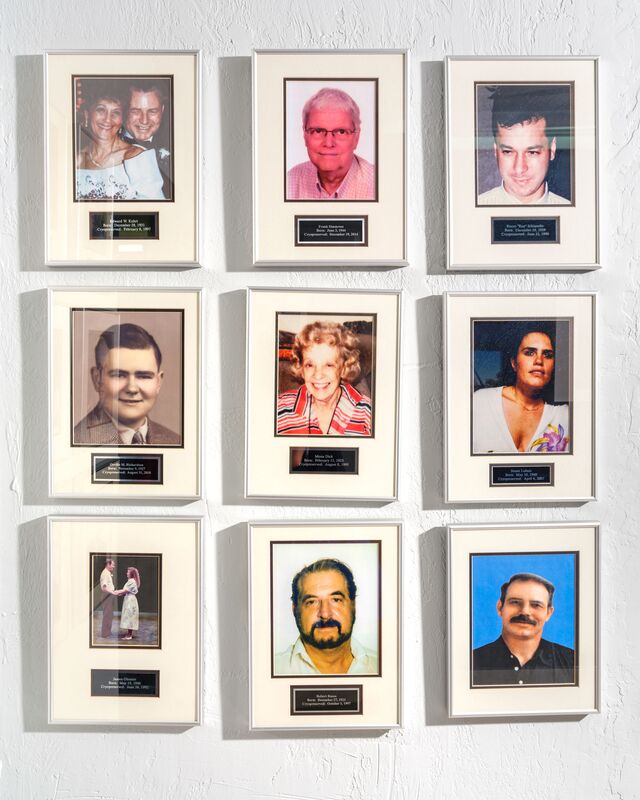
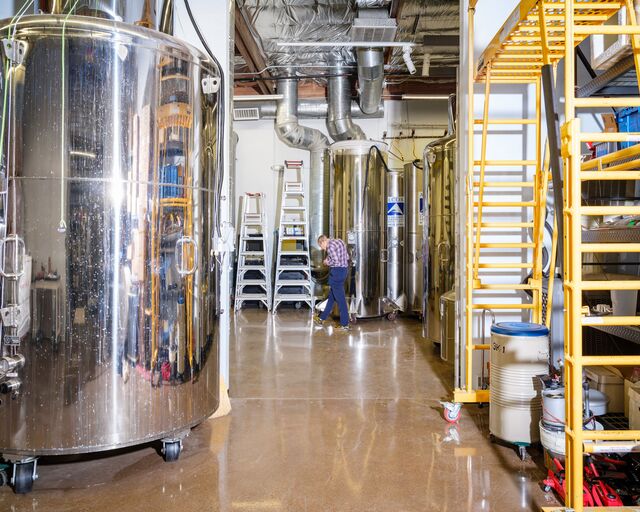
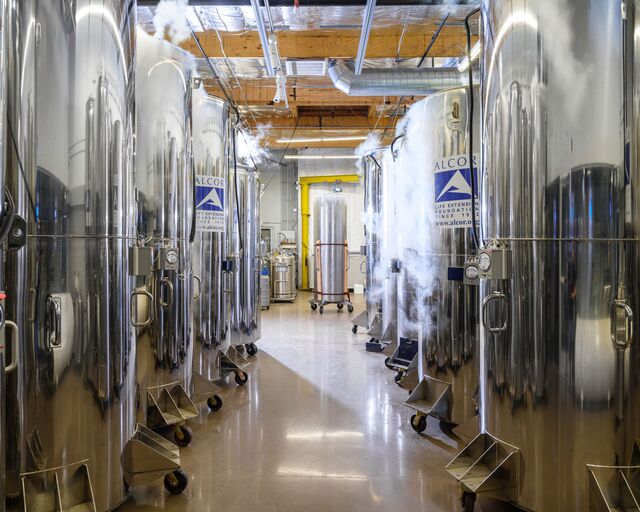
A tour of Alcor Life Extension Foundation’s headquarters in Scottsdale, Arizona, includes some unique sights. The nonprofit has more than 200 human bodies or heads—and a few beloved pets—in cryogenic preservation on-site.
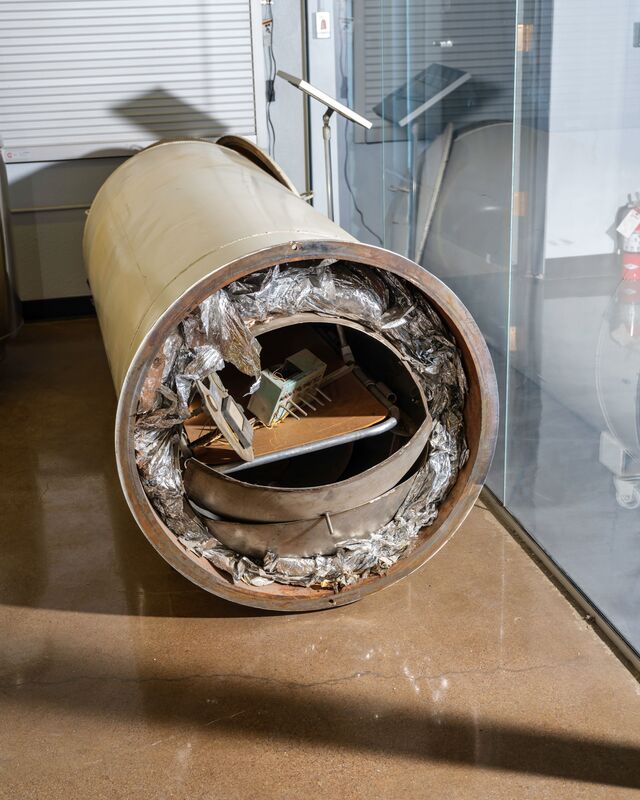
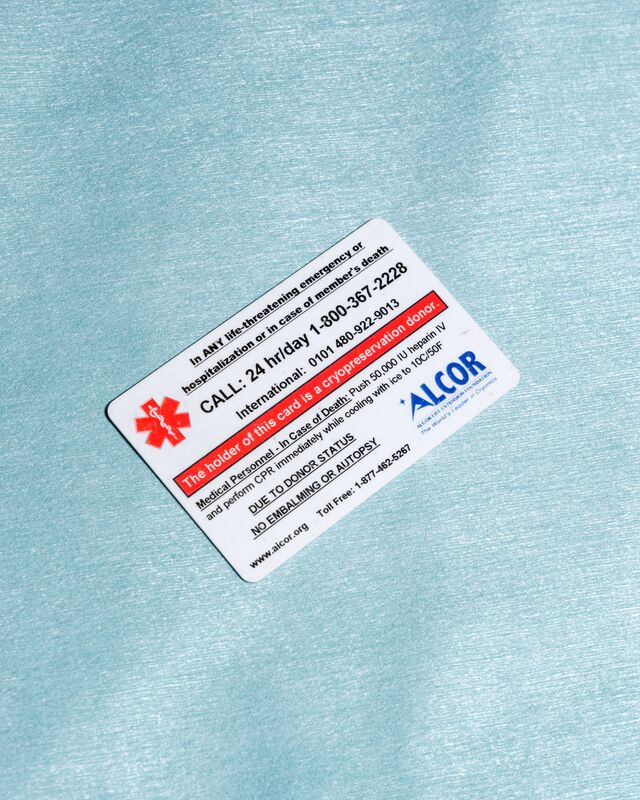
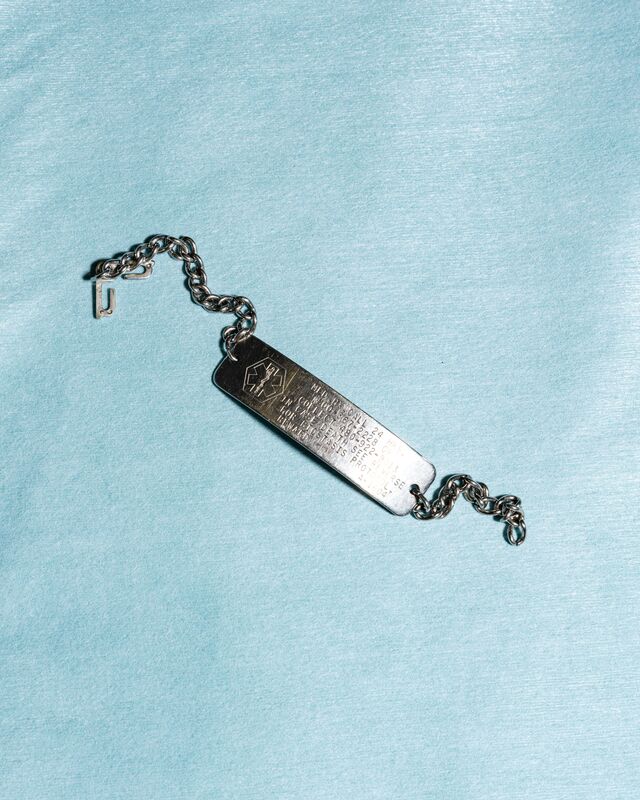
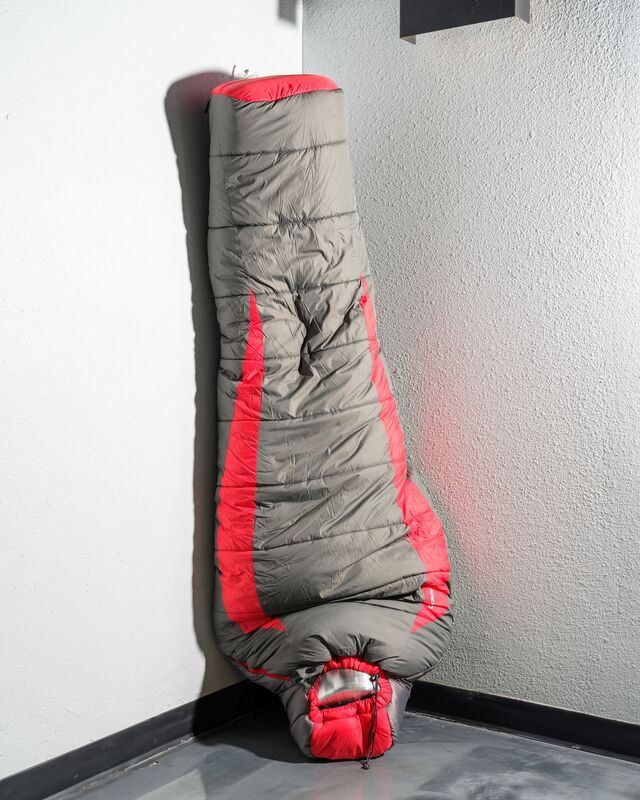
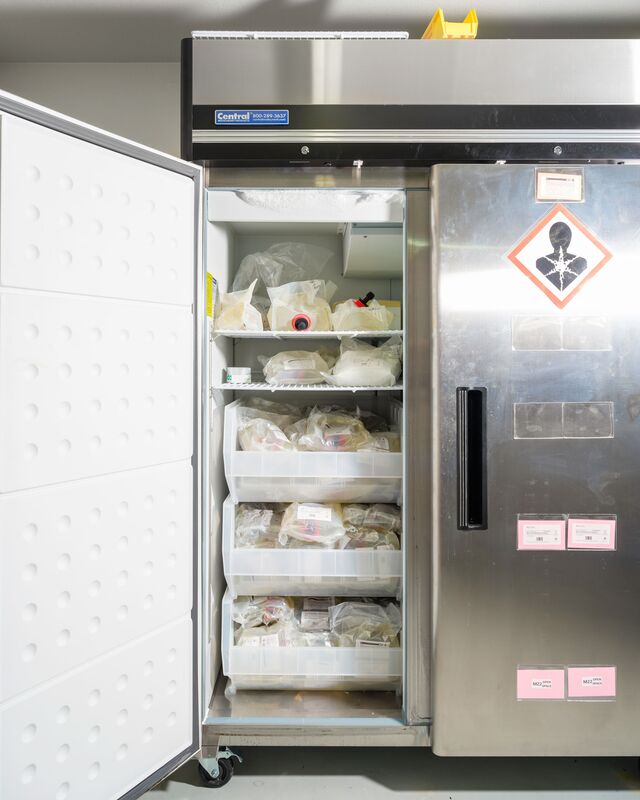
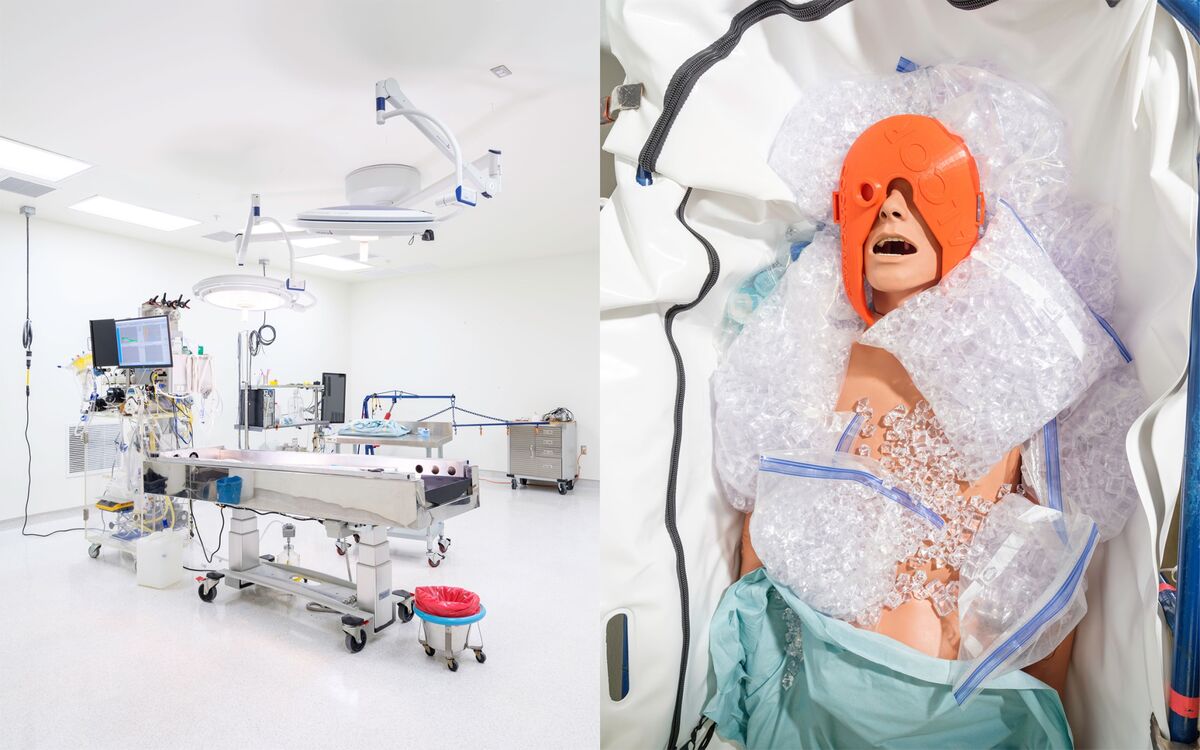
Founded in 1972 by Fred and Linda Chamberlain, Alcor is dedicated to cryonics research and education and has about 1,500 members planning on some form of cryogenic preservation. While they’re still living, members wear medical alert bracelets that instruct hospitals and doctors to contact the organization in the event of a life-threatening emergency. A team is on standby to rush the body of any member who dies to Alcor’s facility. There, bodily fluids are replaced with special solutions that won’t turn to ice during the next step in the preservation process—cooling the cadaver to -196C (-321F).
The operation required to process and protect a body upon arrival is extensive, and the chemicals used for vitrification are unique, accounting for the hefty price tag: $200,000 for the whole body or $80,000 for just the head, plus monthly membership fees of up to $100. (Most members pay by designating Alcor as the beneficiary of their life insurance policies.) User fees cover about 40% of the cost, with the rest coming from donations.
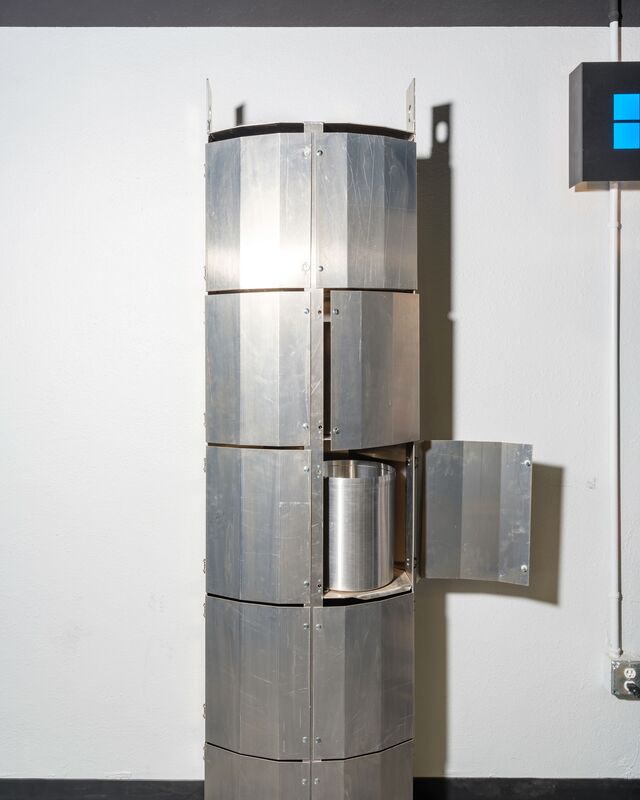
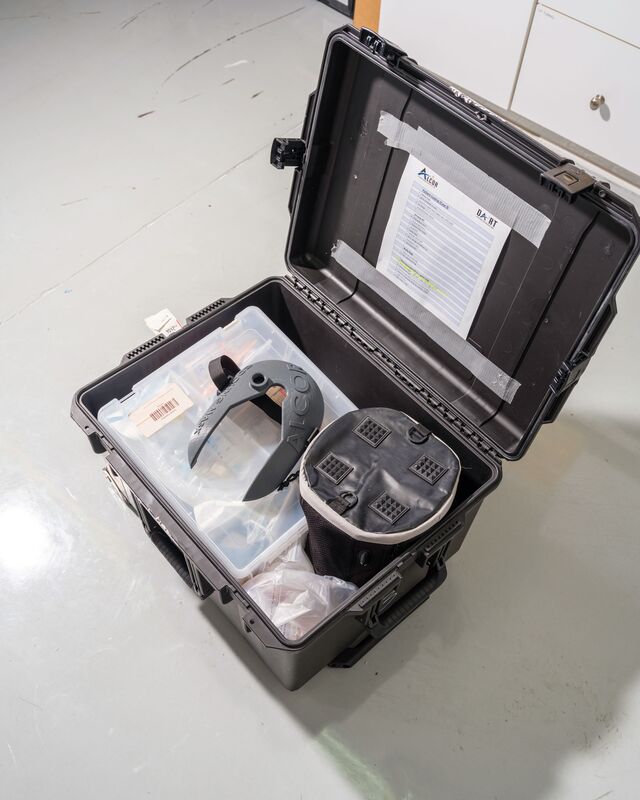
James Arrowood, co-chief executive officer of Alcor, describes cryogenics as a serious scientific undertaking, deemphasizing the more outré associations it has in the public imagination as just a way to cheat death. He sees scientific research as the heart of Alcor’s mission. “I know what happens if I choose cremation,” Arrowood says. “I know what happens if I choose burial. I also know what the loss is to the science.” He gives the example of Albert Einstein’s brain, which was removed for study but was cut into pieces because there was no way to preserve and examine it in a nondestructive way. If there had been, Arrowood says, we could have learned more about the unique nature of the scientist’s genius. “Einstein’s brain is all over the world in little chunks,” he says. “And you can never get that data back.”
Alcor has accumulated a repository of data on organ preservation and decay that spans more than five decades. It has in storage the brain of someone born in the 1880s and someone born in the 2000s. Much of what it was doing in its early years was aspirational and felt like science fiction, Arrowood acknowledges, but he adds that cryogenics isn’t as weird as it’s made out to be. With in vitro fertilization, “embryos are frozen indefinitely,” he says, “and they ultimately result in a living being.”
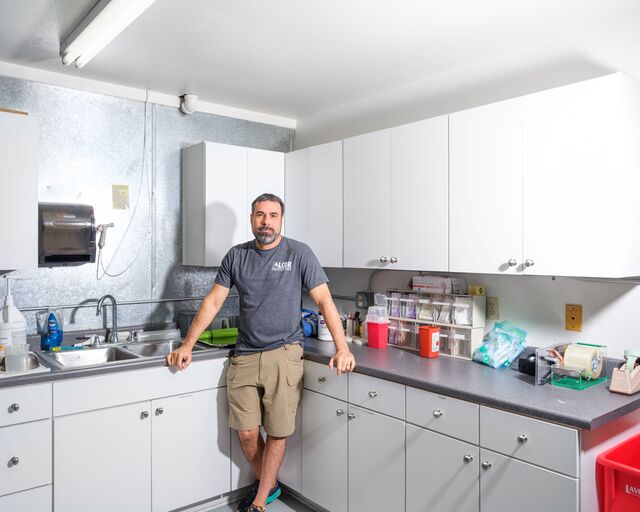
As technology has progressed, advances such as improved preservation of individual organs have become viable goals. Arrowood cites kidney donation as an area in which Alcor might be able to make a difference—notably by preserving kidneys long enough after a donor’s death to line up a match and arrange for surgery. “That is a solvable problem,” he says. “It’s not fiction.”
Arrowood also sees potential for Alcor to contribute to scientific knowledge about what happens to bodies after death and to serve as a kind of seed bank, helping preserve species that are near extinction.
Naturally, he’s planning to be cryopreserved himself. “Have you seen a cremation? They’re awful! Or burial? You get eaten by worms! I’ve never liked worms,” he says. “I am choosing to be a part of a supercool science experiment.”