The Bloomberg
New Economy Catalyst List
The 20 people moving the world toward a more equitable, sustainable future.
It takes a special kind of person to change the world. Bloomberg New Economy’s 2023 class of Catalysts recognizes 20 such people—talented individuals who’ve envisioned more equitable, inclusive and sustainable outcomes and demonstrated the drive and tenacity to achieve them. These pioneers in the new economy are solving intractable problems such as subpar schooling in developing countries, the difficulties of financing startups in poor communities and outdated agricultural methods that contribute to global warming. They show how courage and determination, combined with cutting-edge technology, can help heal a world imperiled by climate change and riven by vast divides in wealth, education and quality of life. And that’s worth celebrating. —Erik Schatzker

Marina Belintani
Co-founder and chief technology officer of Mabe Bio
Brazil
Creating plant-based biodegradable leather products for a more sustainable wardrobe.
The fashion business in Brazil is booming, and the production of leather plays a big role in that growth. But there’s an environmental cost: As much as 80% of clothing’s carbon footprint comes from the production of materials, and leather is seven times worse for the climate than synthetic alternatives, according to advocacy group Collective Fashion Justice. Most fake leather, though, is made of plastic. Designer Marina Belintani wanted a greener option, so she came up with a biodegradable, plant-based alternative made from angico trees.
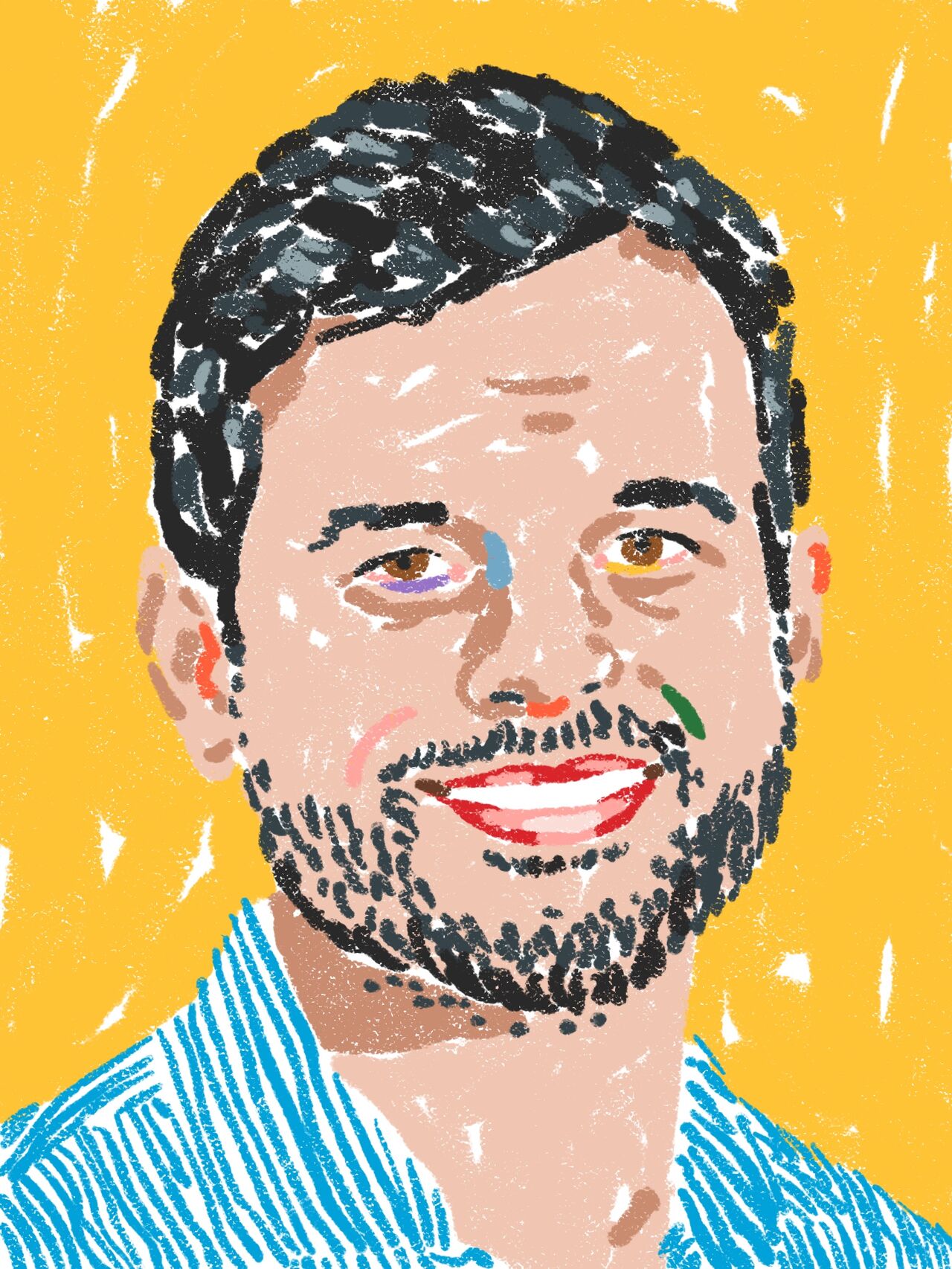
Felipe Cardoso
Founder and CEO of Eco Panplas
Brazil
Curbing water pollution from industrial lubricants with a novel approach to recycling.
Industrial lubricants are essential to manufacturing, ensuring the smooth and efficient movement of machines to reduce friction and wear. But discarded plastic containers containing residual lubricants can wreak havoc on the environment. In Felipe Cardoso’s native Brazil, 1 billion such containers are thrown out every year, and just 1 liter of lubricant can contaminate as much as 1 million liters of water, the World Intellectual Property Organization estimates. In 2017, Cardoso’s Eco Panplas started to tackle the issue. The company says its recycling process can remove traces of lubricating oil from bottles with a biodegradable degreaser–and no water–at 30% of the cost of other methods. It recycled 1,200 tons of lubricant packaging in 2022 and aims to increase that to as much as 15,000 tons annually by 2026.

Manu Chopra
Co-founder and CEO of Karya
India
Lifting rural Indians out of poverty with crowdsourced digital employment opportunities.
Annual data generation is worth $100 billion globally, but the digital workers driving the industry don’t see much of the benefit, with Indians in the field typically earning only $1 a day. After discovering that Indian-language data sets were being sold at as much as 200 times the cost of collecting the information, Manu Chopra co-founded the nonprofit Karya to provide ethical digital work to rural Indians. Using crowdsourcing, it offers job opportunities to people in the countryside who compile local-language speech data sets, document digitization, and image annotation and labeling. Karya says that it pays well over the minimum wage—at least $5 an hour—and that 30,000 workers have completed tasks on its platform.
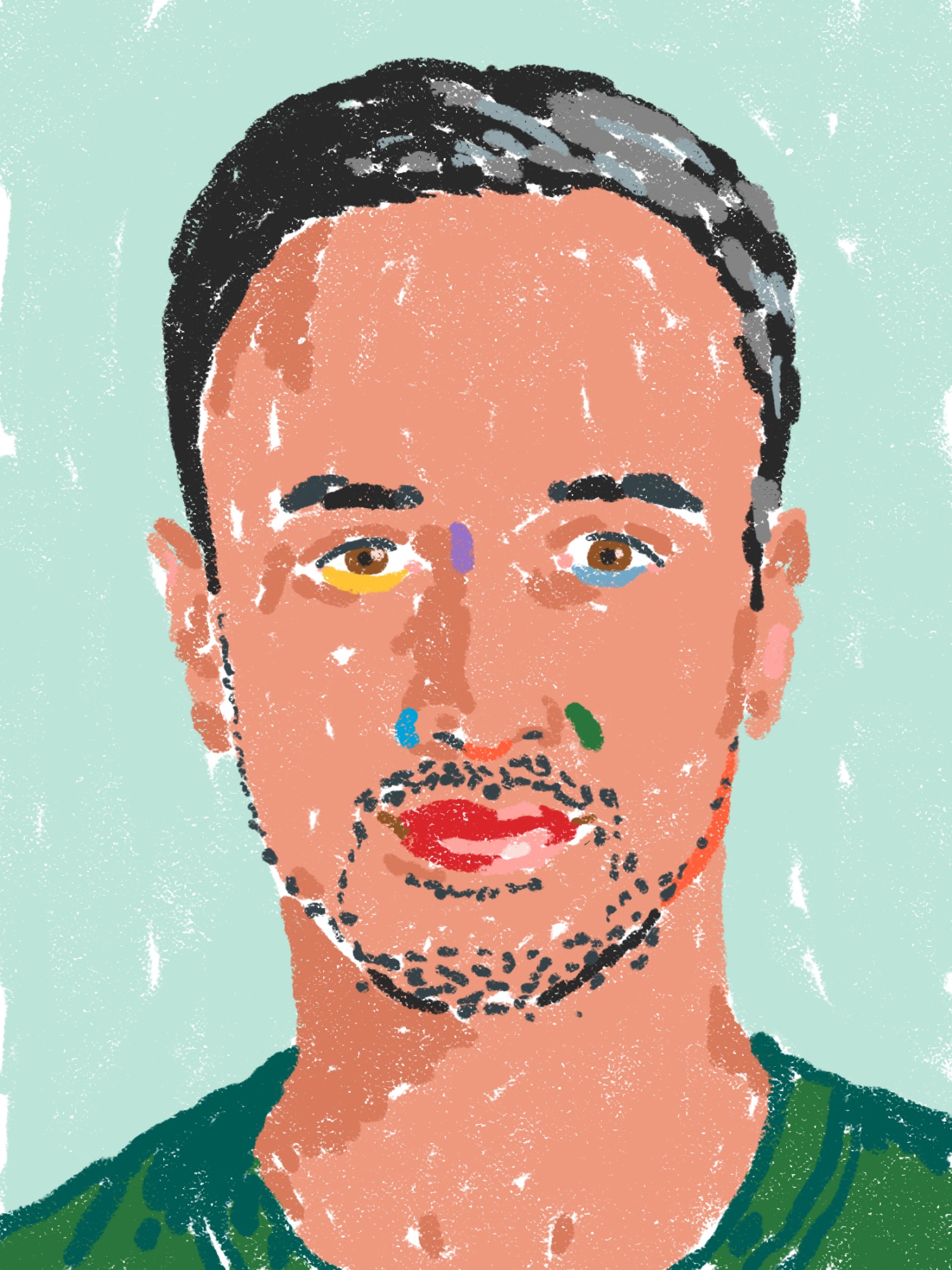
Shahir Chowdhury
Founder and CEO of Shikho
Bangladesh
Democratizing the Bangladeshi education system through game-based learning.
Only about 80,000 of the 45 million school-age children in Bangladesh speak English, limiting their access to quality education, which is typically delivered in that language. To serve the millions who don’t, Shahir Chowdhury founded Shikho, which created a digital learning system in the Bangla language. Shikho’s content involves gamification techniques such as points, leaderboards and virtual awards to make daily lessons, homework, exam prep, tutoring and skills development more engaging. The company says it has 1.7 million registered users, and Shikho is working on new offerings such as live lessons, tools for parents, and materials for university students and adults.

Mariana Costa Checa
Co-founder and president of Laboratoria
Peru
Bridging the gender gap in the Peruvian tech industry.
When Mariana Costa Checa returned to Lima after studying at the London School of Economics and Columbia University, she was dismayed to discover that women make up less than 10% of the Peruvian technology industry. That’s not just an issue for women but also for the economy, as Latin America will need 3.5 million professionals in science, technology, engineering and mathematics by 2025, recruiter PageGroup predicts. To fill the gap, Costa Checa started Laboratoria, a nonprofit that offers training boot camps for women and helps match candidates’ talents with open jobs. More than 3,300 women have completed Laboratoria’s programs in Brazil, Chile, Colombia, Mexico and Peru, and about 85% of those have landed jobs in the past two years. With additional funding from Google, the group has created a new initiative, Laboratoria+, to offer continuing education for working professionals.
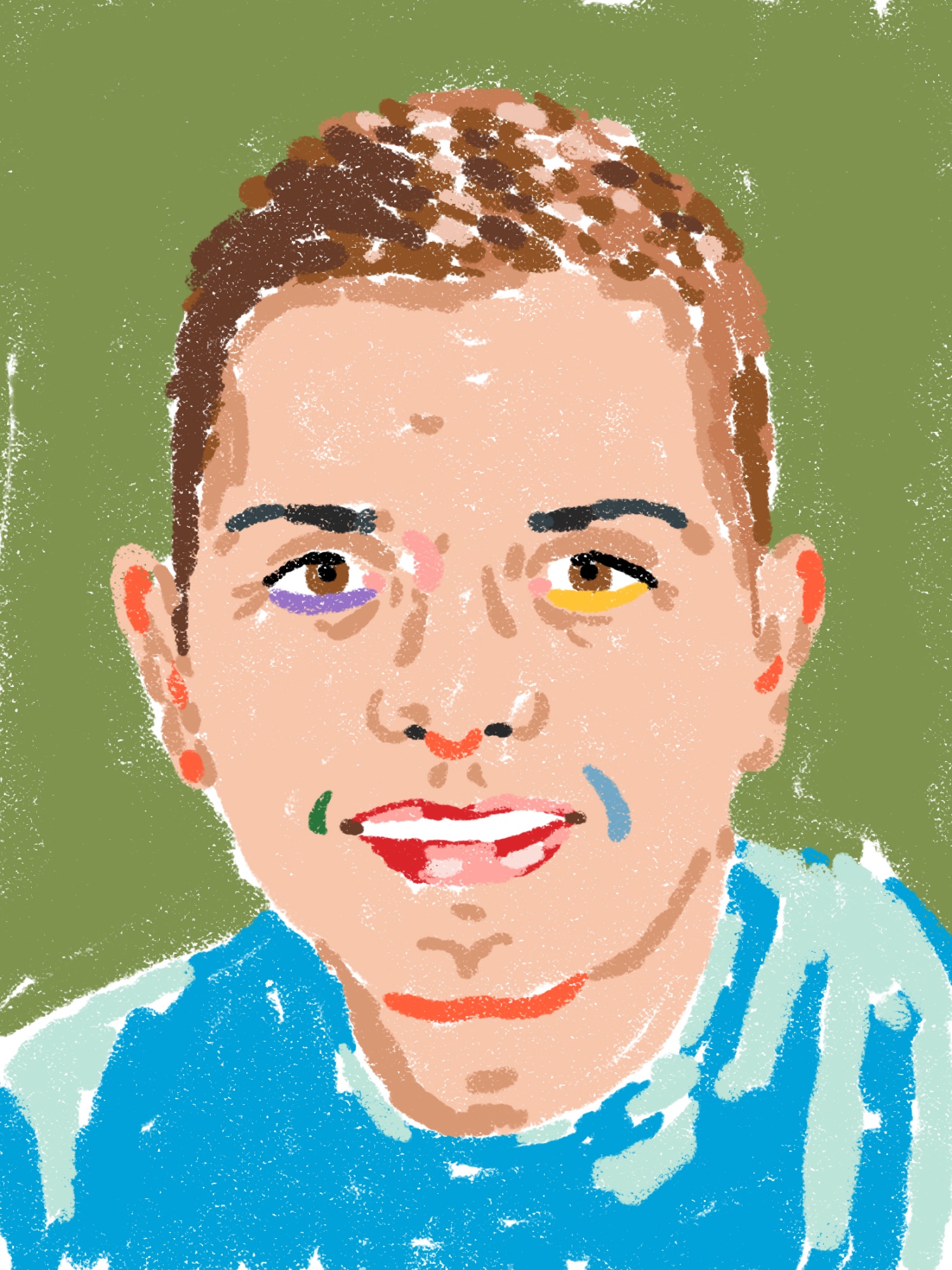
Alfonso de los Ríos
Co-founder and CEO of Nowports
Mexico
Reducing supply chain bottlenecks in Latin America with AI tools and innovative financing.
After the Covid-19 pandemic created supply chain challenges, some US companies sought to reduce shipping time and avoid bottlenecks by relocating manufacturing closer to home. The trend has benefited Mexico, where exports in March reached a record $53.6 billion, in large part because of US demand. Alfonso de los Ríos says his digital freight forwarding company, Nowports, can ensure the smooth delivery of goods from Latin America. The company uses automation and artificial intelligence to speed transactions, including an inventory financing tool that allows companies to acquire merchandise and pay for it later. The startup now has offices in more than a half-dozen countries, including the US, Mexico and Brazil.
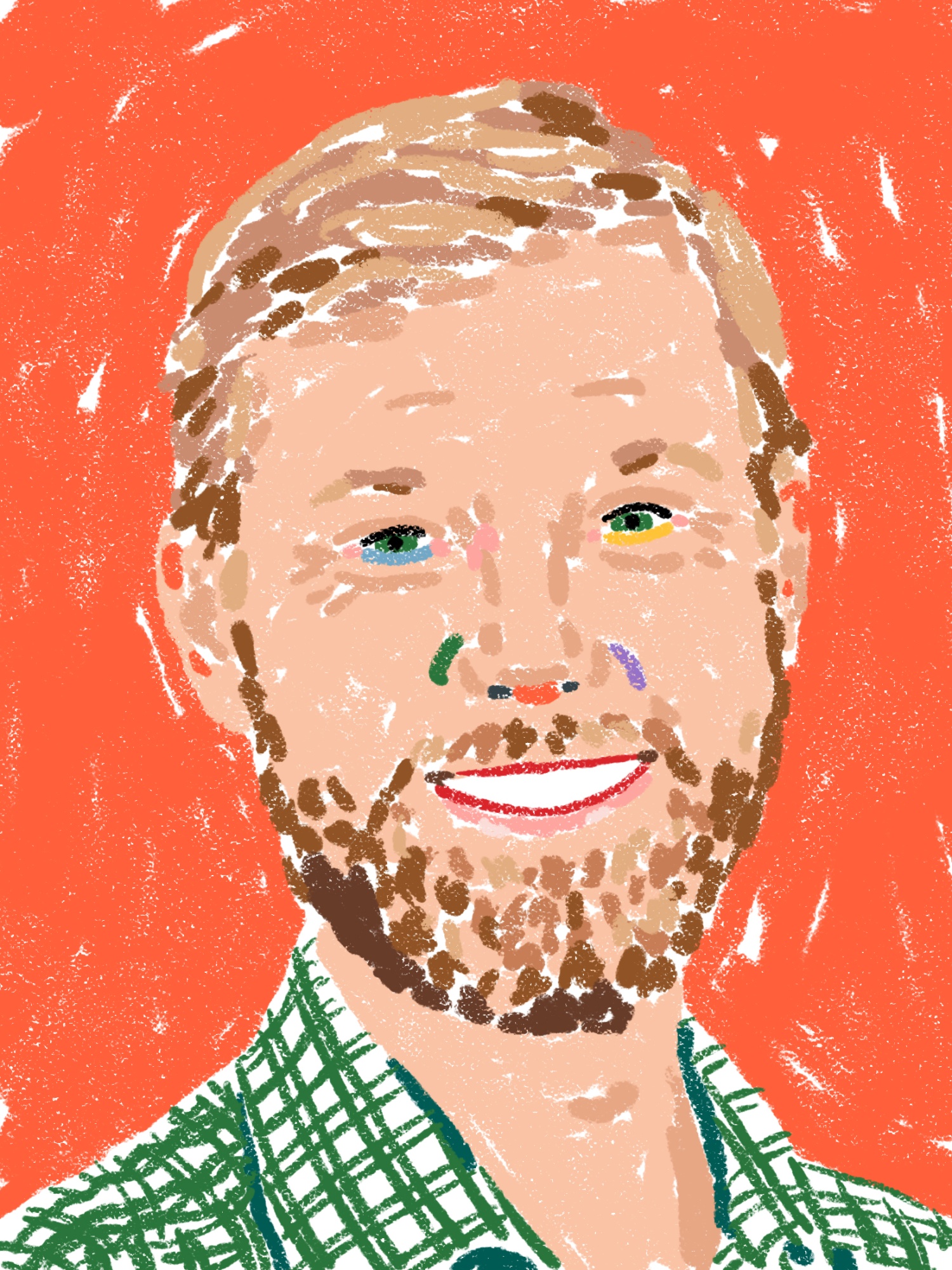
Guy Hudson
Co-founder and CEO of Loam Bio
Australia
Using microbes in soil to help farmers reduce carbon emissions and improve yields.
Agriculture accounted for 11.2% of US greenhouse gas emissions in 2020. To help reduce the release of those gases, Guy Hudson started Loam Bio, which has developed microorganisms that trap carbon in soil. Loam sells a fungus that creates so-called microaggregates capable of storing twice as much carbon as other techniques. The method does double duty, keeping carbon out of the atmosphere while making soil healthier, which boosts yields for farmers.
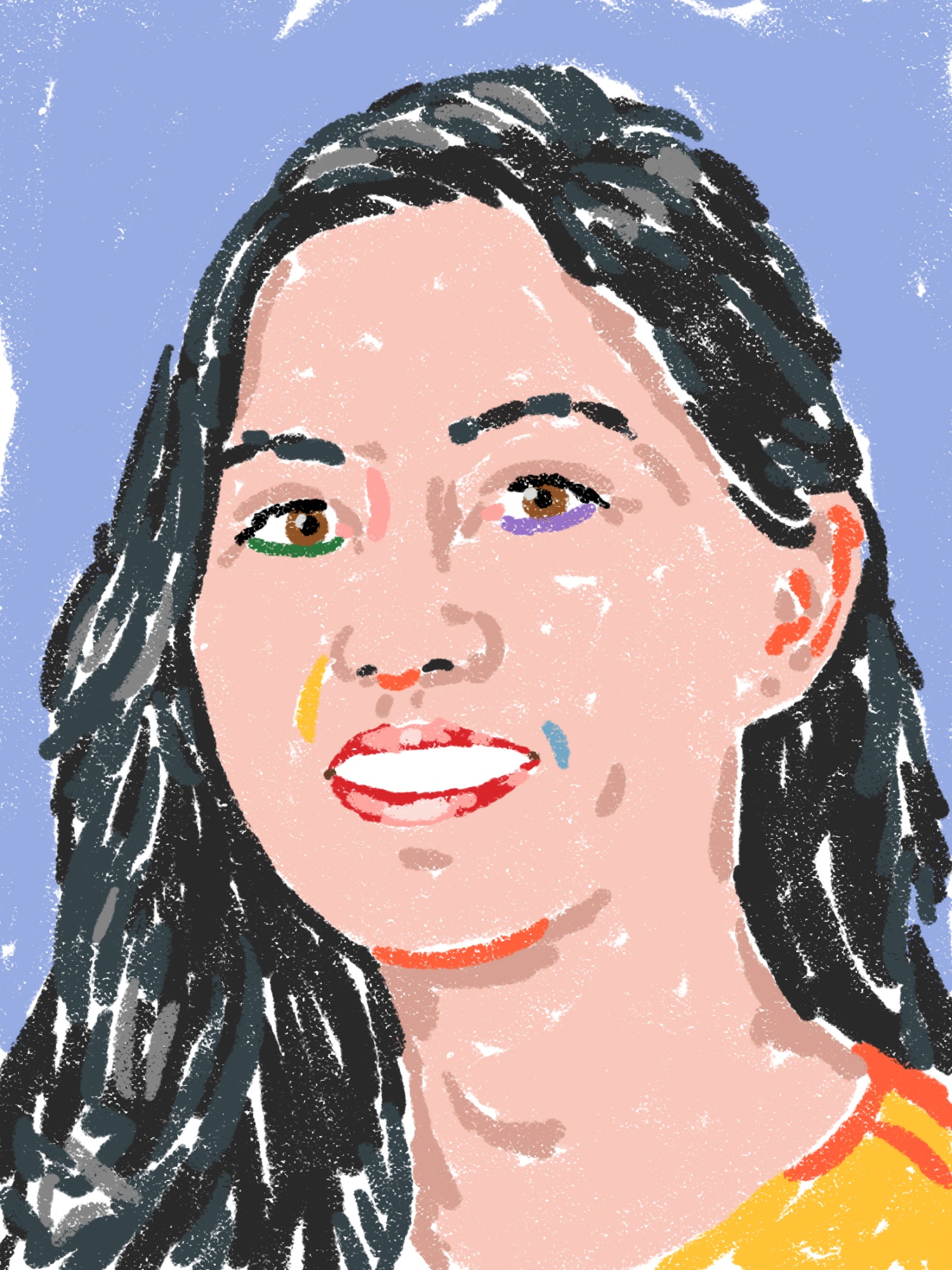
Claudia Kolonas
Co-founder of Pluang
Indonesia
Helping Indonesians diversify their investments and increase financial literacy through an app.
Indonesians scored only 38% in the country’s latest assessment of financial literacy, and less than half the population have formal savings accounts. Investment adviser Claudia Kolonas says her app, Pluang, can help on both counts. It aims to give Indonesians access to microsavings and microinvesting accounts and to financial education through their smartphones. The app, which has more than 3.5 million users, facilitates investments as small as 50¢ in gold, indexes, mutual funds and crypto assets.
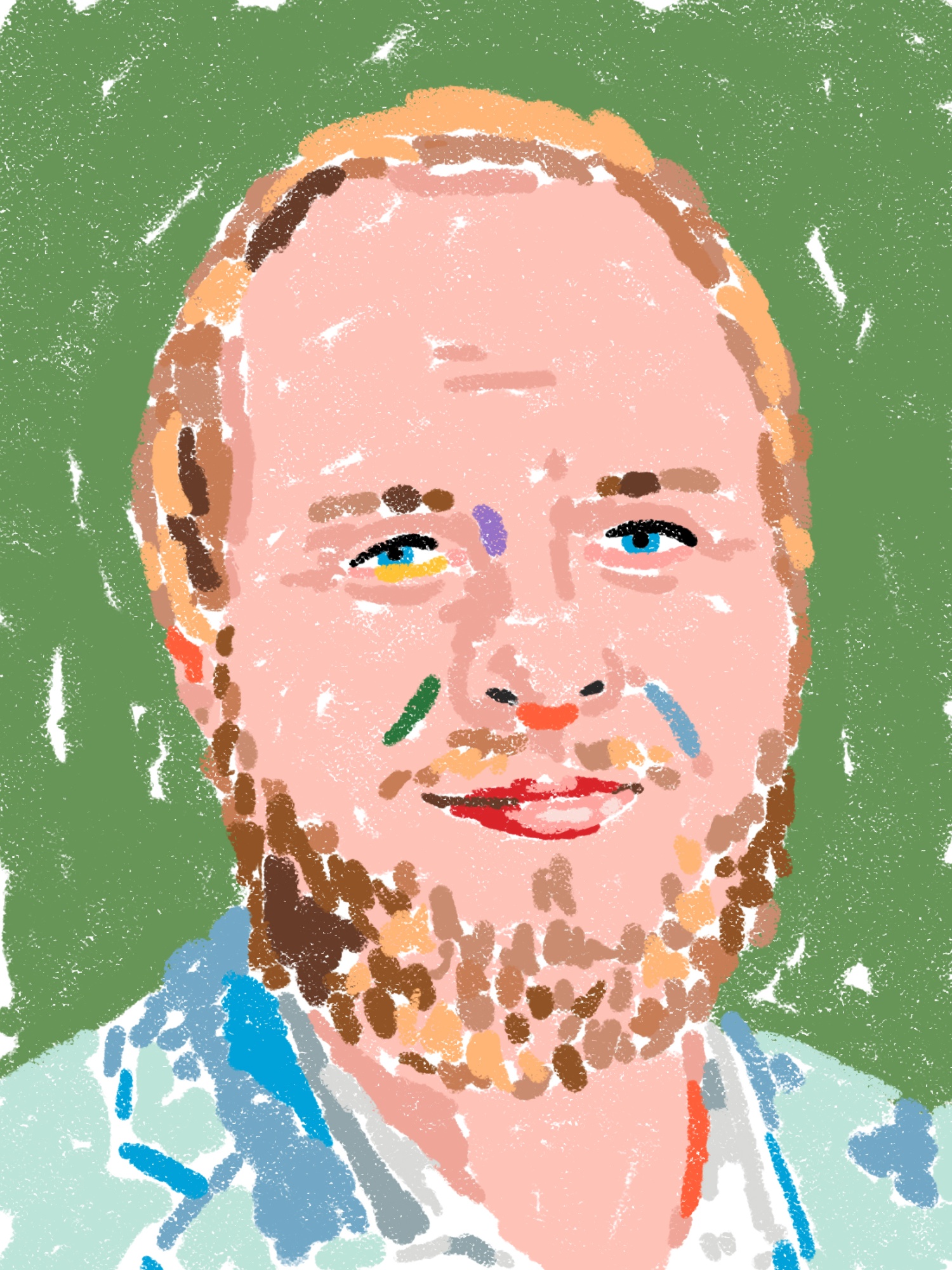
Filip Lövström
Co-founder and CEO of Roam
Kenya
Electrifying transport in Africa with affordable and eco-friendly vehicles.
Motorcycle taxis offer indispensable transportation for Kenyans, but they’re an air-quality menace in a country where pollution caused more than 5,000 premature deaths in 2019, according to the State of Global Air report. Filip Lövström says it’s time to take transport in Kenya electric. Roam, the company he co-founded, has developed electric bikes, designed in Sweden and manufactured in Nairobi, that it says are cleaner and 60% cheaper to drive than today’s gasoline-powered cycles. And last year, the company introduced an electric bus it calls Roam Rapid. The startup has become Africa’s leading provider of electric vehicles, and it aims to produce more than 50,000 electric motorbikes annually at the Nairobi factory it opened this year.

Charlot Magayi
Founder of Mukuru Clean Stoves
Kenya
Empowering women, saving lives and reducing pollution with safer stoves.
After her young daughter suffered a severe burn from an open cooking fire, Charlot Magayi sought a safer way to prepare meals for her family. She introduced Mukuru Clean Stoves, which sells containers made of recycled metal that burn a biomass material of charcoal, wood and sugar cane. She says the stoves create 90% less pollution than an open fire running on wood and charcoal and 70% less than a traditional cookstove fueled by kerosene or agricultural waste. Mukuru, which relies on a network of local women as sales agents, has sold about 200,000 units in Kenya at $10 apiece, which the company says has saved customers $10 million in fuel costs.
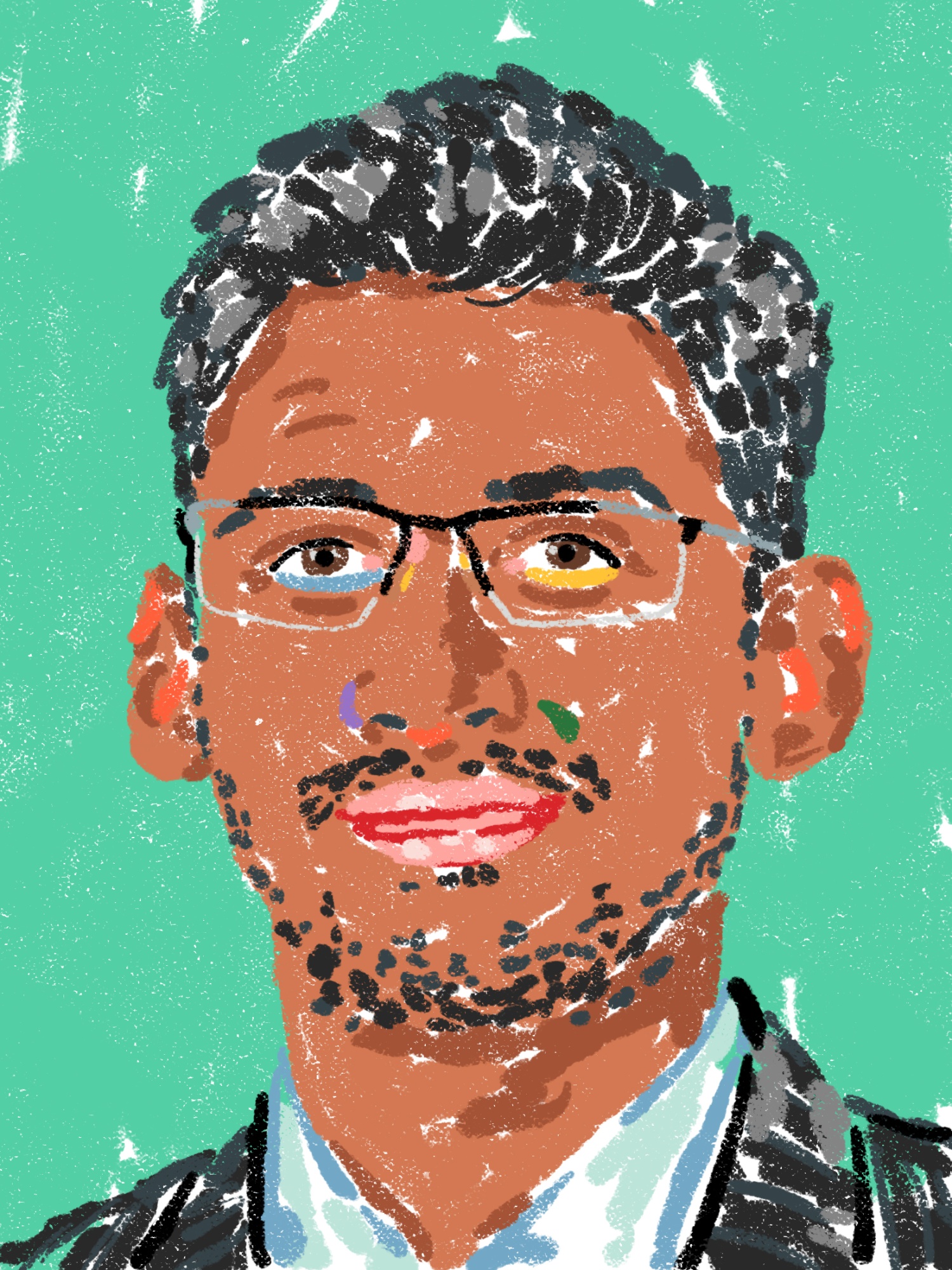
Vidyut Mohan
Co-founder and CEO of Takachar
India
Cleaning up the air by converting agricultural waste into valuable biofuels.
Globally each year, 92 million metric tons of crop and forest waste–stems, leaves, manure and other farming byproducts–are burned in the open, according to India’s Ministry of Agriculture and Farmers Welfare. It’s an environmentally disastrous process that spreads smoke and other pollutants both locally and far afield. Vidyut Mohan’s company, Takachar, has developed equipment that attaches to tractors to convert field waste into biofuels and fertilizer. Those products can then be either used by the farmers themselves or sold locally, avoiding 95% of the pollution from fires and helping farmers earn some extra cash.
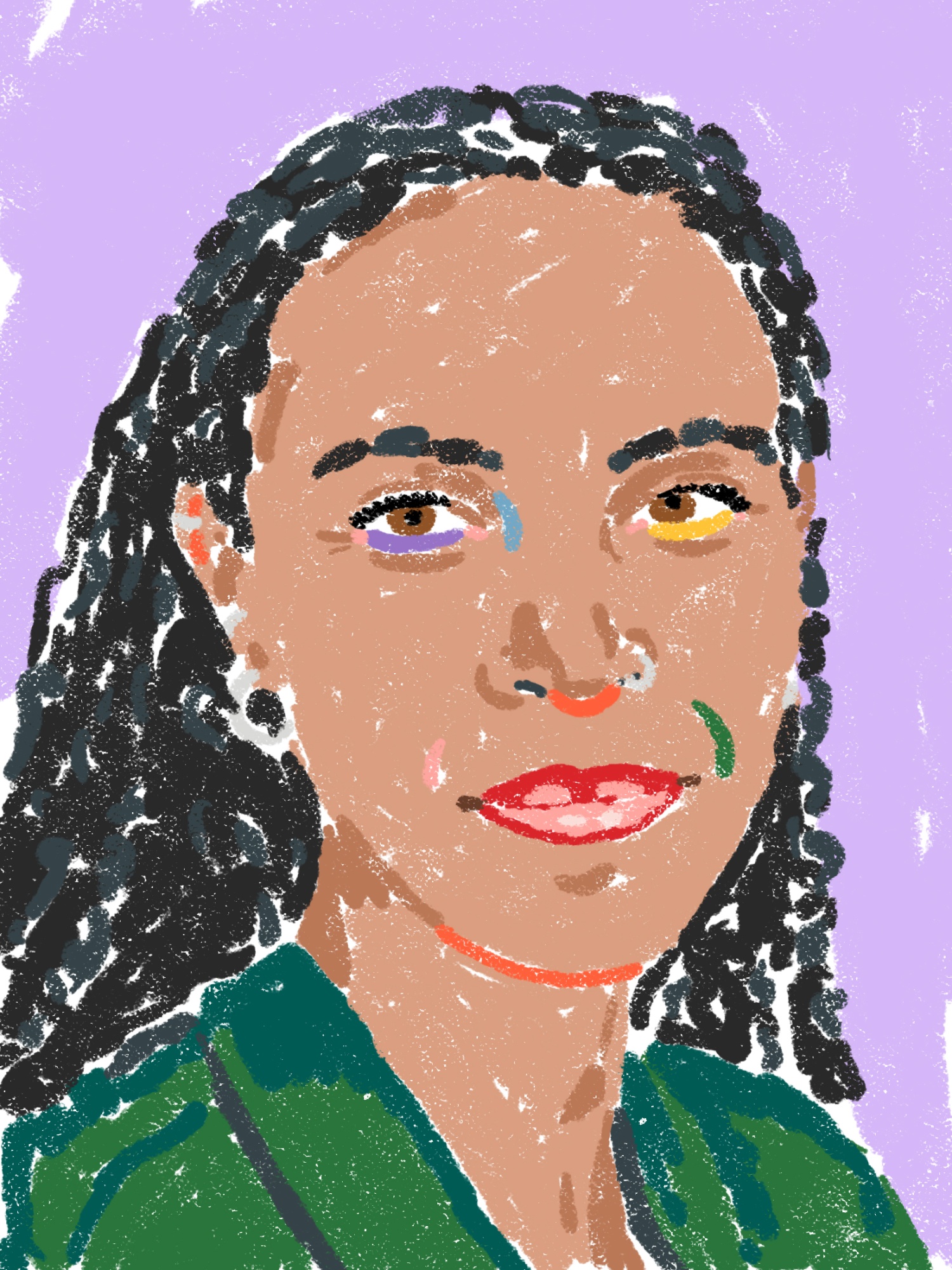
Pelonomi Moiloa
Co-founder and CEO of Lelapa AI
South Africa
Using African-made artificial intelligence models to solve Africa-specific problems.
As the tech sector gushes about artificial intelligence, developing countries risk being left out. Although Africa is home to about one-third of the planet’s languages, 95% of those have yet to be connected with the global market through voice and text technology, according to Pelonomi Moiloa. She is the co-founder of Lelapa AI, a lab that offers AI-powered language models to support African businesses and nonprofits by providing digital tools in underrepresented tongues. Moiloa aims to use these models in areas such as increasing access to health care and improving yields for farmers by predicting the spread of crop disease or soil nutrient deficiencies. Moiloa says robust AI opportunities can bring tech talent back to Africa, making the region more attractive to programmers and developers.
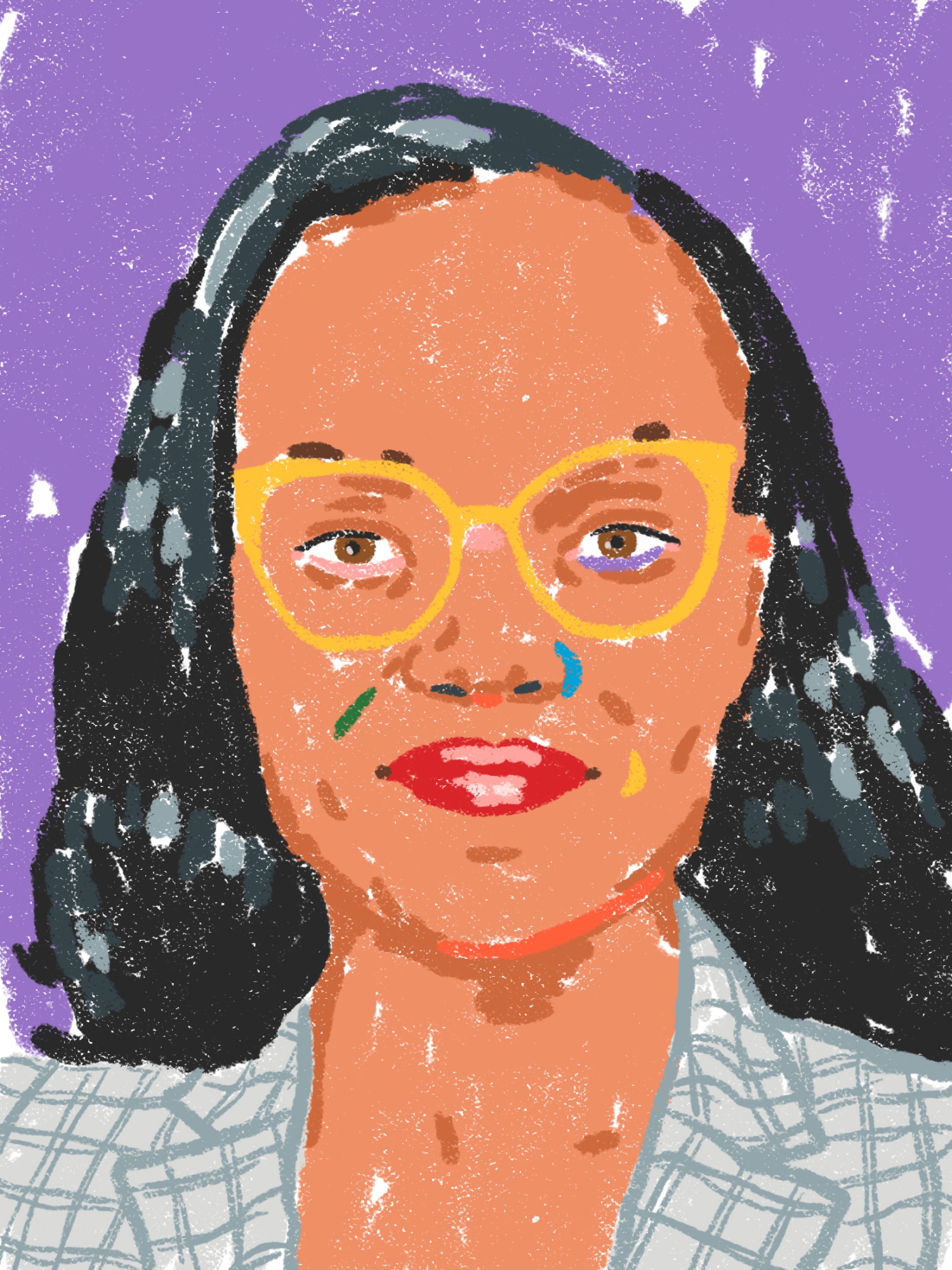
Hilda Moraa
Founder and CEO of Pezesha
Kenya
Helping African businesses grow by using technology to bridge the funding gap.
Hilda Moraa says her digital lending platform, Pezesha, can help entrepreneurs across Africa who struggle to raise money for their companies. It connects banks, microfinancing groups and other financial institutions with businesses in need of funding. The company says its credit assessment algorithm, called Patascore, has helped disburse more than 200,000 loans to businesses in Ghana, Kenya and Uganda—at least half of them are led by women.
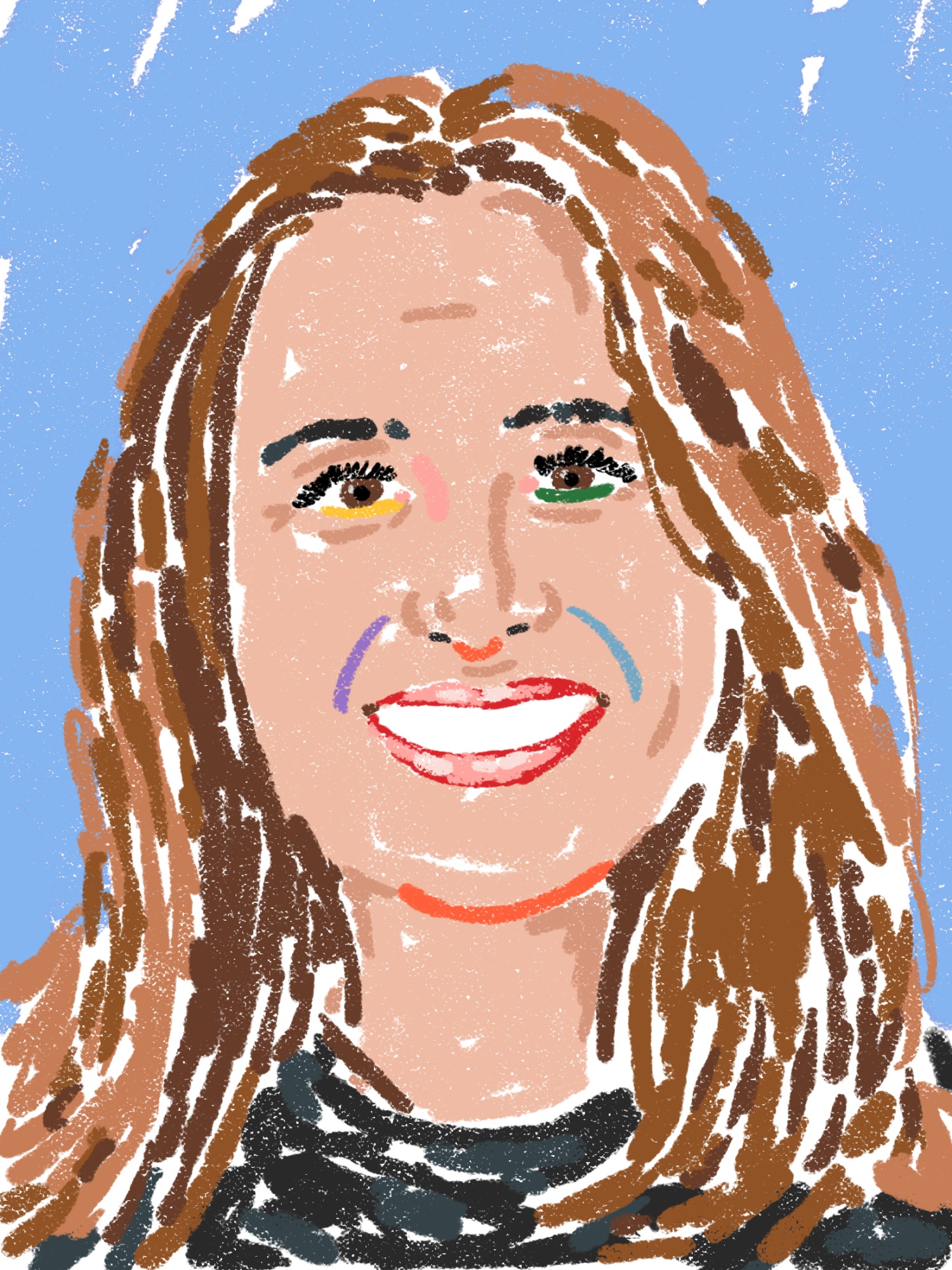
Oriana Papin-Zoghbi
Co-founder and CEO of AOA Dx
US
Improving survival rates for women with ovarian cancer with an early-detection test.
Some 225,000 women a year are diagnosed with ovarian cancer, a disease that accounts for more deaths than any other cancer of the female reproductive system, largely because it’s difficult to detect. Oriana Papin-Zoghbi says her company, AOA Dx, can boost chances of survival through early detection using a tool called Akrivis GD. A 2022 study found that the liquid biopsy can identify biomarkers for ovarian cancer tumors with more than 90% accuracy.
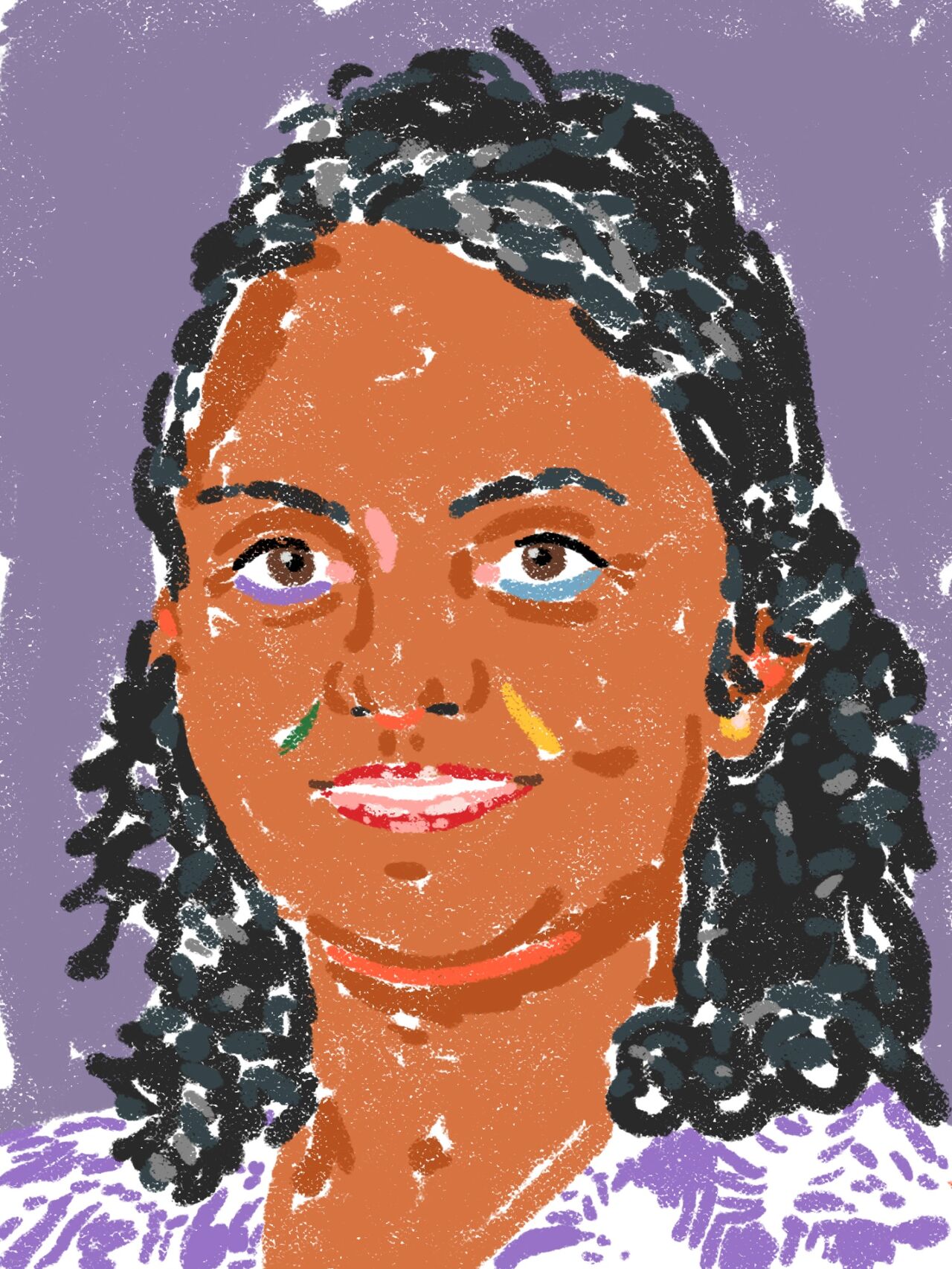
Aminath Shauna
Minister of environment, climate change and technology
Maldives
Focusing on policies for a vulnerable nation.
Climate change has become an existential threat to communities in the Maldives. The nation of 1,200 islands in the Indian Ocean is so vulnerable to rising sea levels and freshwater contamination from flooding that scientists say it risks becoming uninhabitable by midcentury. Aminath Shauna, the country’s minister of environment, climate change and technology, has prioritized policies that can have an instant impact for the country, such as the adoption of solar power and the phasing out of single-use plastics. She’s also pushing to protect more Maldivian waters as marine parks.

Shruti Shruti
Co-founder and CEO of ApnaKlub
India
Supporting rural Indian entrepreneurs with business-to-business wholesale solutions.
India’s mom and pop shops—what locals call kirana stores—account for more than three-fourths of the country’s retail sales, but these independent operations typically rely on small local distributors for their goods. To help kirana owners trim costs and broaden their offerings, entrepreneur Shruti Shruti created ApnaKlub, a wholesale platform focused on basic consumer goods such as shampoo, baby wipes and toilet paper. ApnaKlub digitally connects retailers from rural and semi-urban areas to national brands, providing them with high-quality products at competitive prices. Since its founding in 2020, ApnaKlub says it’s grown to 40,000 active users monthly.

Beth Tellman
Co-founder and chief science officer of Floodbase
US
Monitoring real-time data to protect communities from flooding linked to climate change.
Floods are the most common and costly natural disaster, but 83% of global economic losses from flooding over the past decade were uninsured, according to insurer Swiss Re Group, in large part because today’s flood maps don’t capture the real risks. Beth Tellman and her crew at Floodbase want to harness the power of data to help communities better prepare as such disasters become more common with climate change. Floodbase uses satellites and on-the-ground observations of hydrological and meteorological data to generate real-time flood maps. The information can help insurance companies and government institutions offer more comprehensive flood policies and protections. This year, the US Federal Emergency Management Agency hired Floodbase to provide flood analytics.
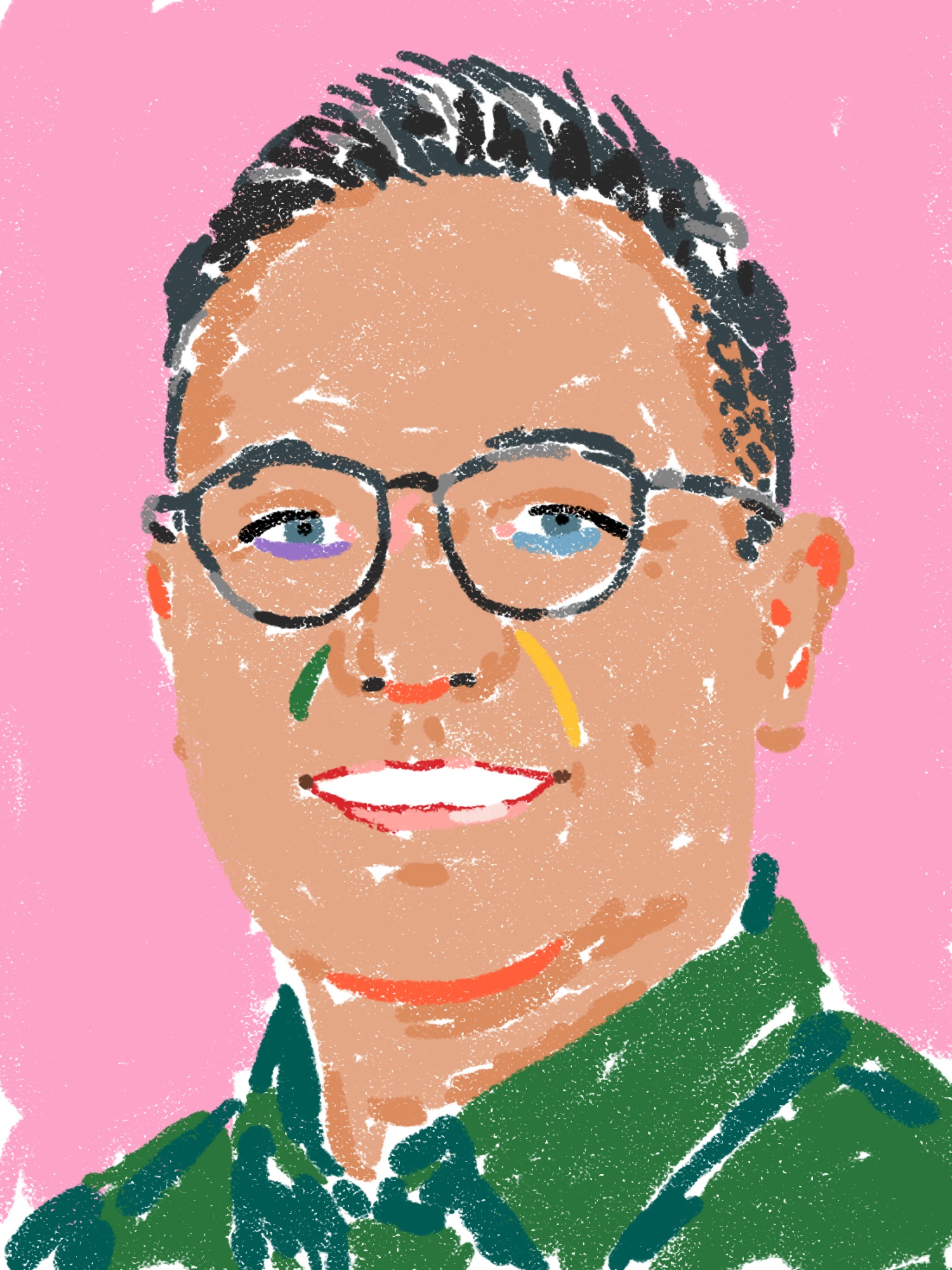
Regi Wahyu
Co-founder and CEO of Hara
Indonesia
Using blockchain to unlock financing and insurance for small-scale farmers.
Regi Wahyu spent his career in business development leveraging data to help organizations grow, and now he’s turning his expertise to improving the lives of Indonesia’s 34 million farmers. Hara, Wahyu’s Jakarta-based company, uses blockchain technology to collect and manage farm data such as soil and crop conditions, pest infestations, land ownership and grain transactions. Hara wants to make the data available to prospective lenders and insurers so small-scale farmers can more easily get financing and risk protection.

Adam Wenchel
Co-founder and CEO of Arthur
US
Helping AI companies reduce bias in the information their systems provide.
Generative artificial intelligence is one of the most significant technological advancements of our time, but critics fret that the oceans of information such systems scan to create their models can reinforce cultural biases, increasing the risk of discrimination against disadvantaged groups. Adam Wenchel has crafted an algorithm to increase the objectivity of large language models such as ChatGPT. An Arthur AI tool runs checks for things such as offensive words or phrases and “hallucinations” (when AI comes up with an answer that’s not connected to relevant data) to reduce the danger of inequitable responses, and it detects and prevents malicious activity from harming organizations that deploy large language models. Another tool allows users to compare the strengths and weaknesses of different models. Arthur customers include the health insurer Humana and the US Department of Defense.

Vriko Yu
Co-founder and CEO of Archireef
Hong Kong
Using 3D-printed artificial coral reef tiles to protect oceans.
From 2009 to 2018, about 14% of the world’s coral reefs were lost, and the rest are at risk of dying because of climate change. Marine biologist Vriko Yu has co-founded Archireef, which is working with the University of Hong Kong to develop an artificial reef structure. The goal is to avoid problems that have plagued such concepts in the past, which haven’t managed to emulate the delicate chemical balance of the coral ecosystem. Archireef’s solution is 3D-printed terra cotta clay tiles that mimic the original structures and erode over time, helping promote the growth of genuine, living reef systems. Corals attached to Archireef’s artificial terra cotta tiles have been able to achieve a survival rate of up to 98%.
(Corrects to remove reference of Maldives Floating City, a project Aminath Shauna is not involved with. An earlier version of this story misstated the source of ersatz leather in the item on Marina Belintani.)