Howard Buffett Is Getting His Hands Dirty
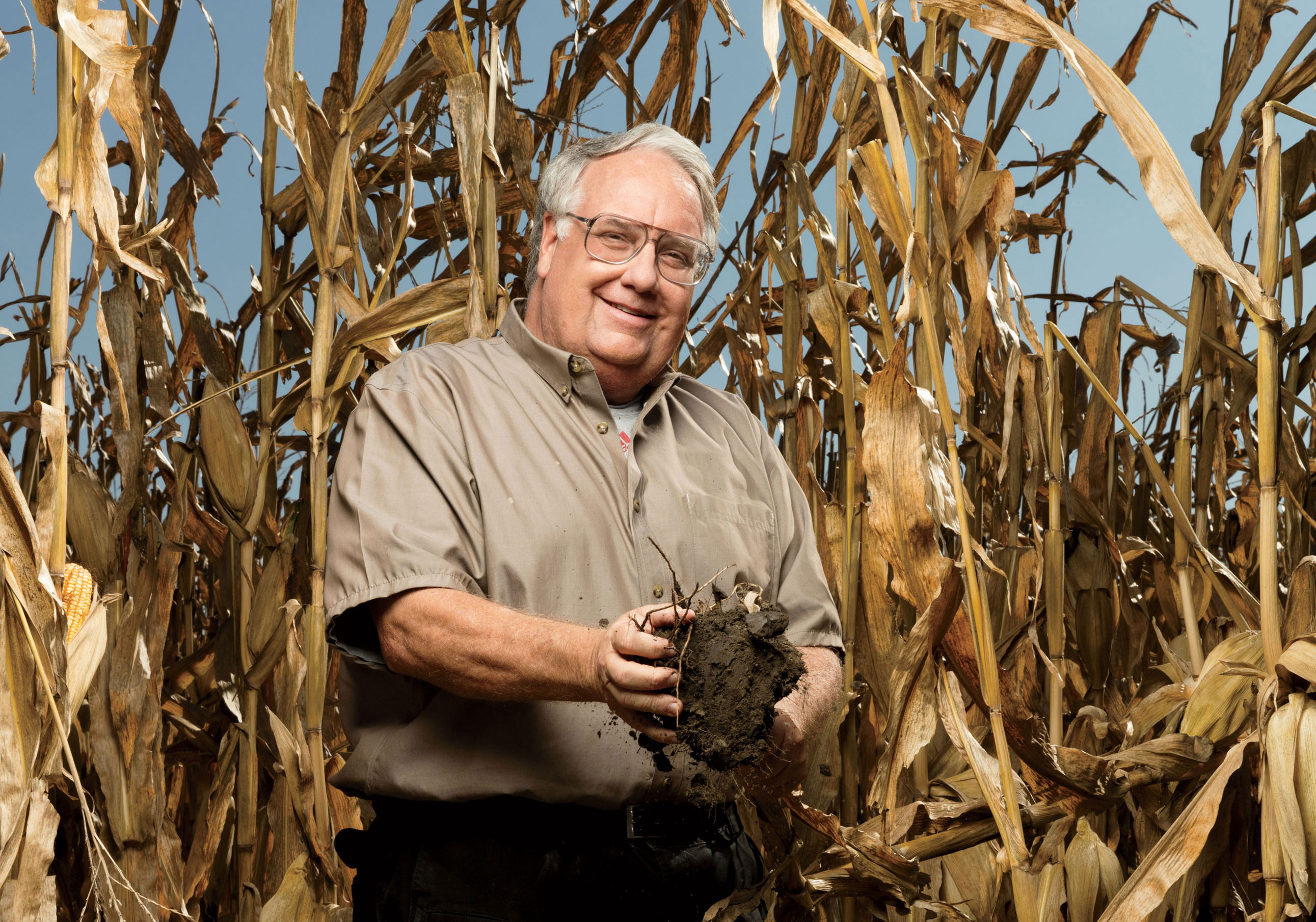
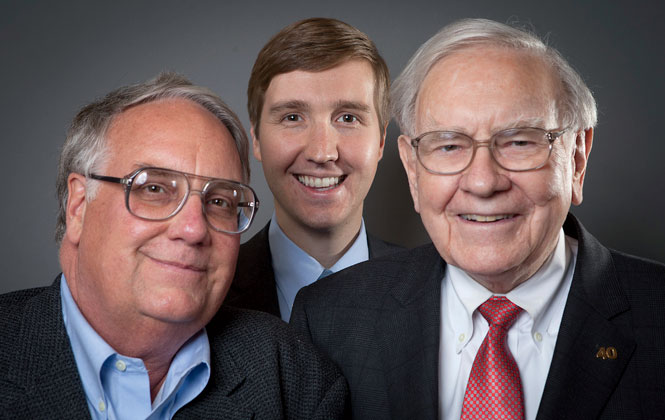
About the most out of place you’ll find Howard Buffett is in Washington wearing a suit. The eldest son of Warren Buffett, CEO of Berkshire Hathaway and the world’s third-richest person, Howard is far more comfortable riding in a helicopter above the Amazon, traveling deep into the jungles of Central Africa to meet with Rwandan rebels, or steering a tractor on his farm in Decatur, Illinois. But on this day in early October, he’s in the nation’s capital to meet with Agriculture Secretary Tom Vilsack.
Buffett, who turns 61 on Dec. 16, is a Midwestern farmer to his core—a farmer who also happens to have a philanthropic mission to end global hunger. He has the deep pockets needed to back his efforts. Over the past decade, his father and late mother have given Howard and his two siblings, Susie and Peter, billions in Berkshire Hathaway stock. (As of Oct. 16, Howard’s share, which includes A- and B-class stock, was valued at about $4.3 billion.) The only expectation is that they use it to make the world a better place. Says Warren of his offspring: “Each brings special talents and passion to the areas of philanthropy that interest them the most. With Howie, it makes total sense for him to focus on agriculture.”
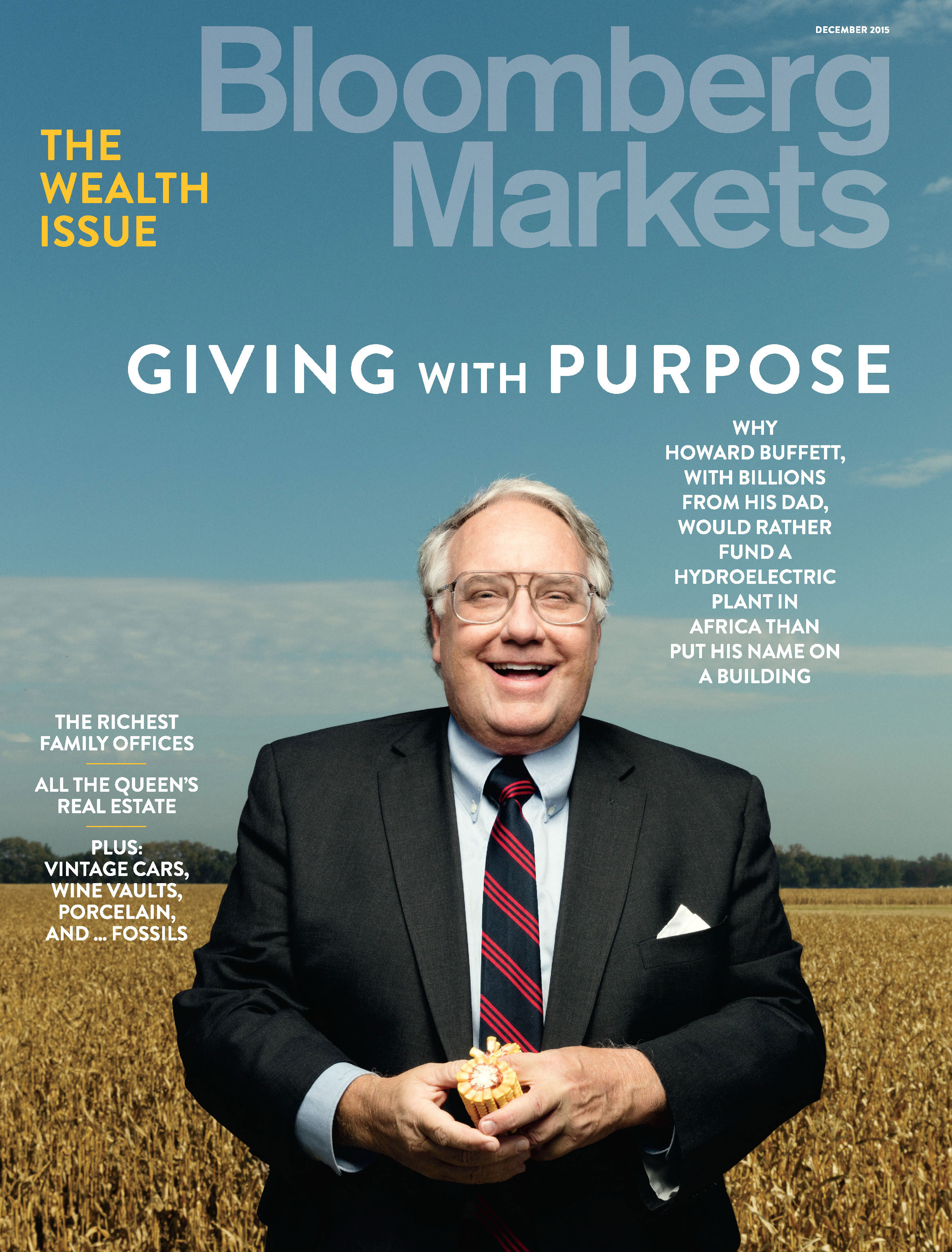
To date, the Howard G. Buffett Foundation has given away $775 million to combat global hunger—efforts include teaching sustainable farming techniques and improving access to clean water—especially in the world’s conflict zones. The Democratic Republic of Congo and Rwanda top his list of countries where he intends to spend a total of more than $700 million during the next decade. They’re about as far away as you can get from Omaha, Nebraska, the site of Buffett’s quiet, humble upbringing.
Focus doesn’t come especially easy for Buffett, who admittedly cannot stand still for longer than 10 minutes. In addition to being a farmer, he’s also a published photographer, an auxiliary deputy sheriff, and a board member of Coca-Cola as well as Berkshire Hathaway, where he will someday become the nonexecutive chairman. That moment serves almost as a deadline for Buffett to accomplish as much as he can, which is why he wrote his 2013 book, 40 Chances, a title taken from the farmer adage that you have only 40 years to work the land. Likewise, he says, a person has only about 40 years to make a difference in the world. Just back from his latest trip to the DRC and Rwanda, Buffett sat down with Bloomberg’s Betty Liu to talk about his always-ambitious plans.
Bloomberg Markets: What’s the difference between charitable giving and philanthropy?
Howard Buffett: We try to avoid charity, if we can. We think of what we do as an investment. If you look at what we’re doing in Democratic Republic of the Congo, where we’re building three hydroelectric plants, that’s an investment. People will have electricity in their homes, businesses will be built, and farmers will thrive. That’s what our approach accomplishes.
Why avoid charity?
Charity doesn’t solve a long-term problem. It addresses an immediate situation, but it won’t solve anything. For me, charity comes into play when there’s not a good opportunity to make an investment, but you still feel there’s something you should do—you’re compelled to do it. In the world’s poorest places, there are limited resources, limited infrastructure, and limited governance. Together, that can create a very difficult environment. So sometimes you can’t do it purely one way or the other and, instead, you end up doing both.
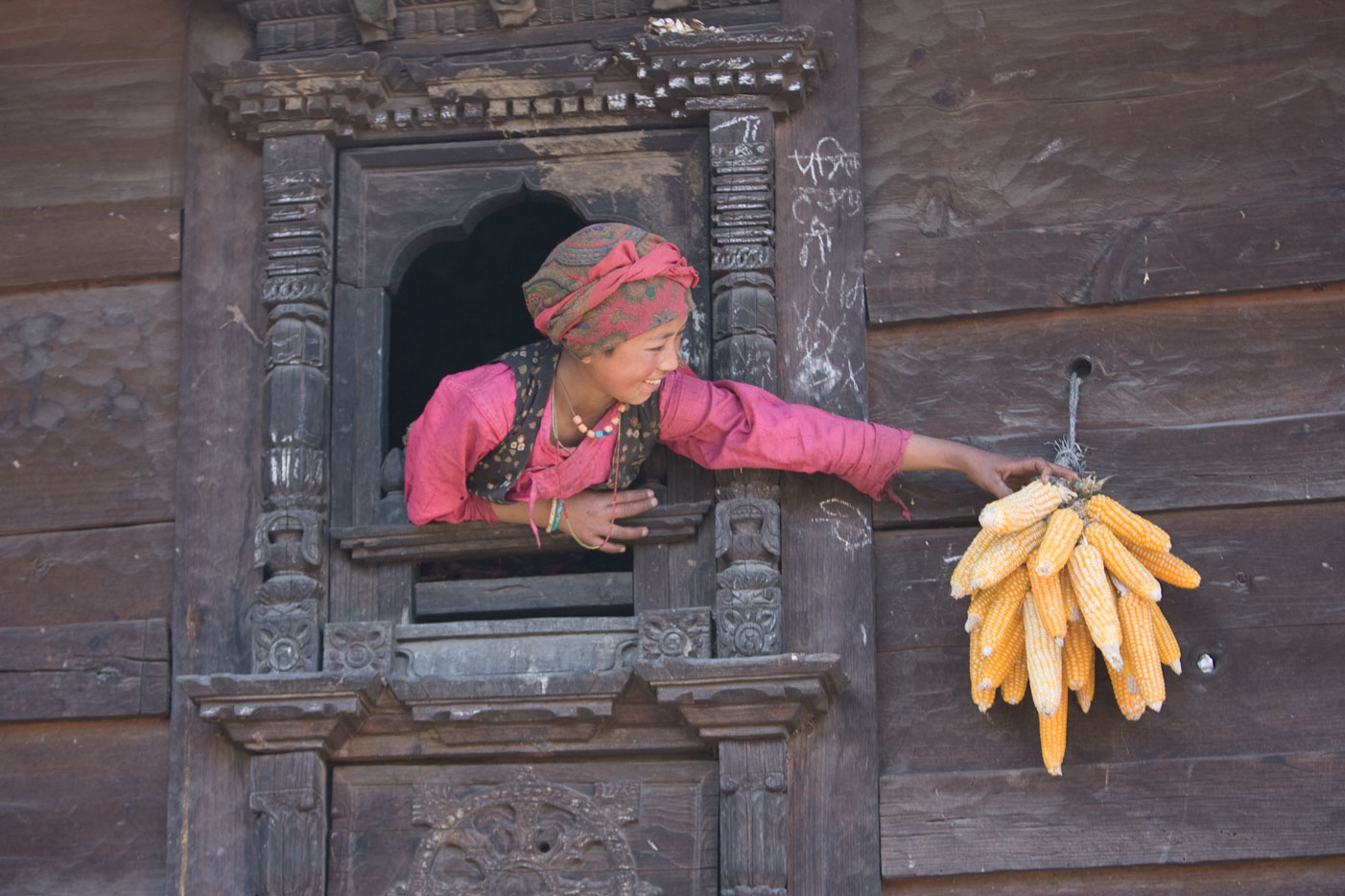
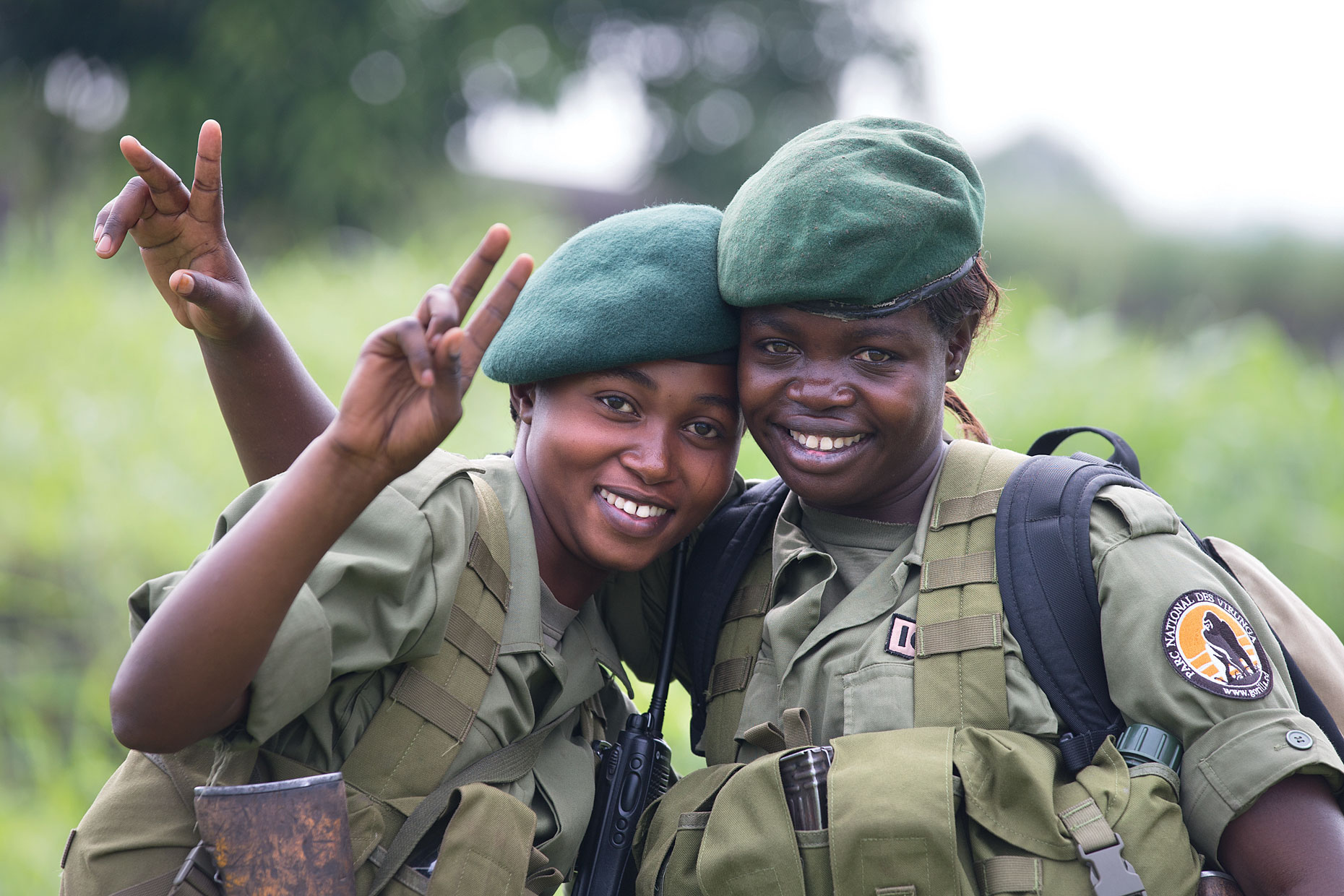
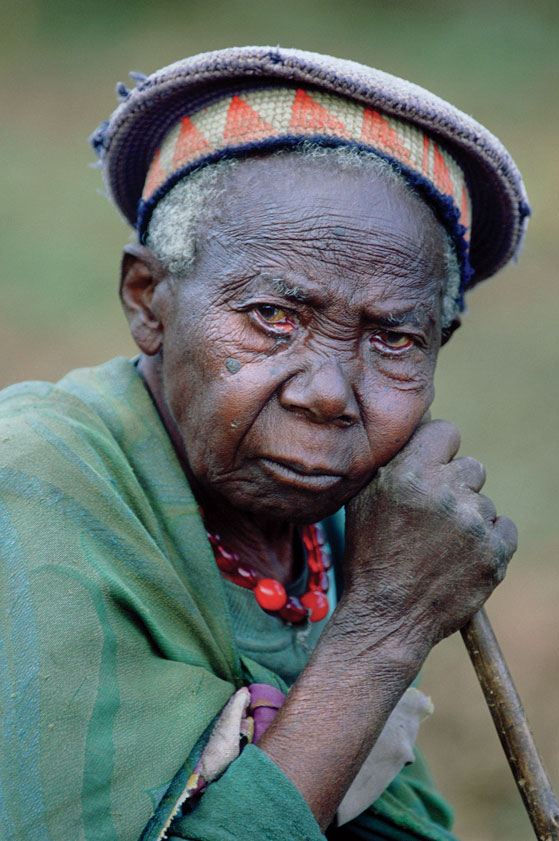
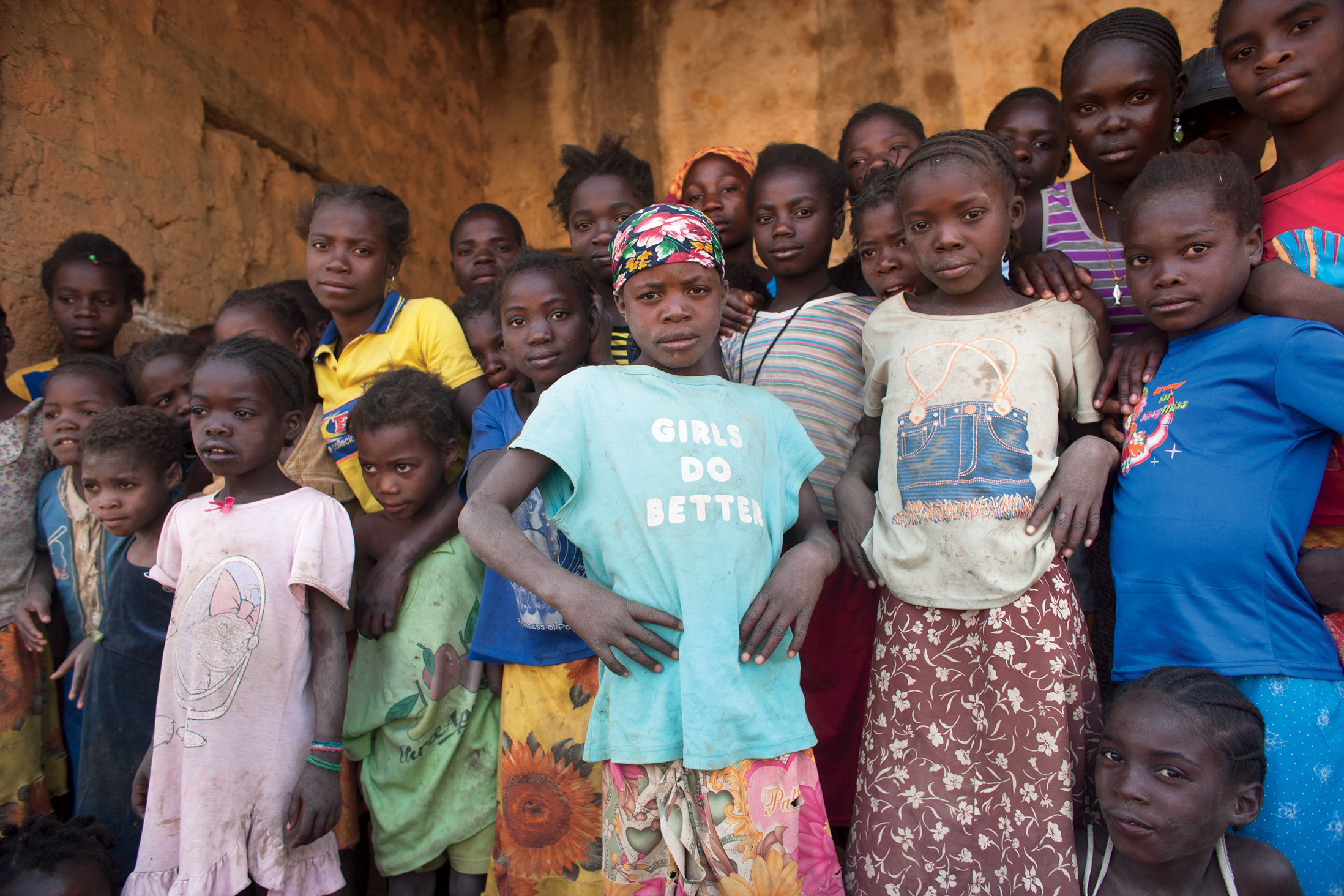
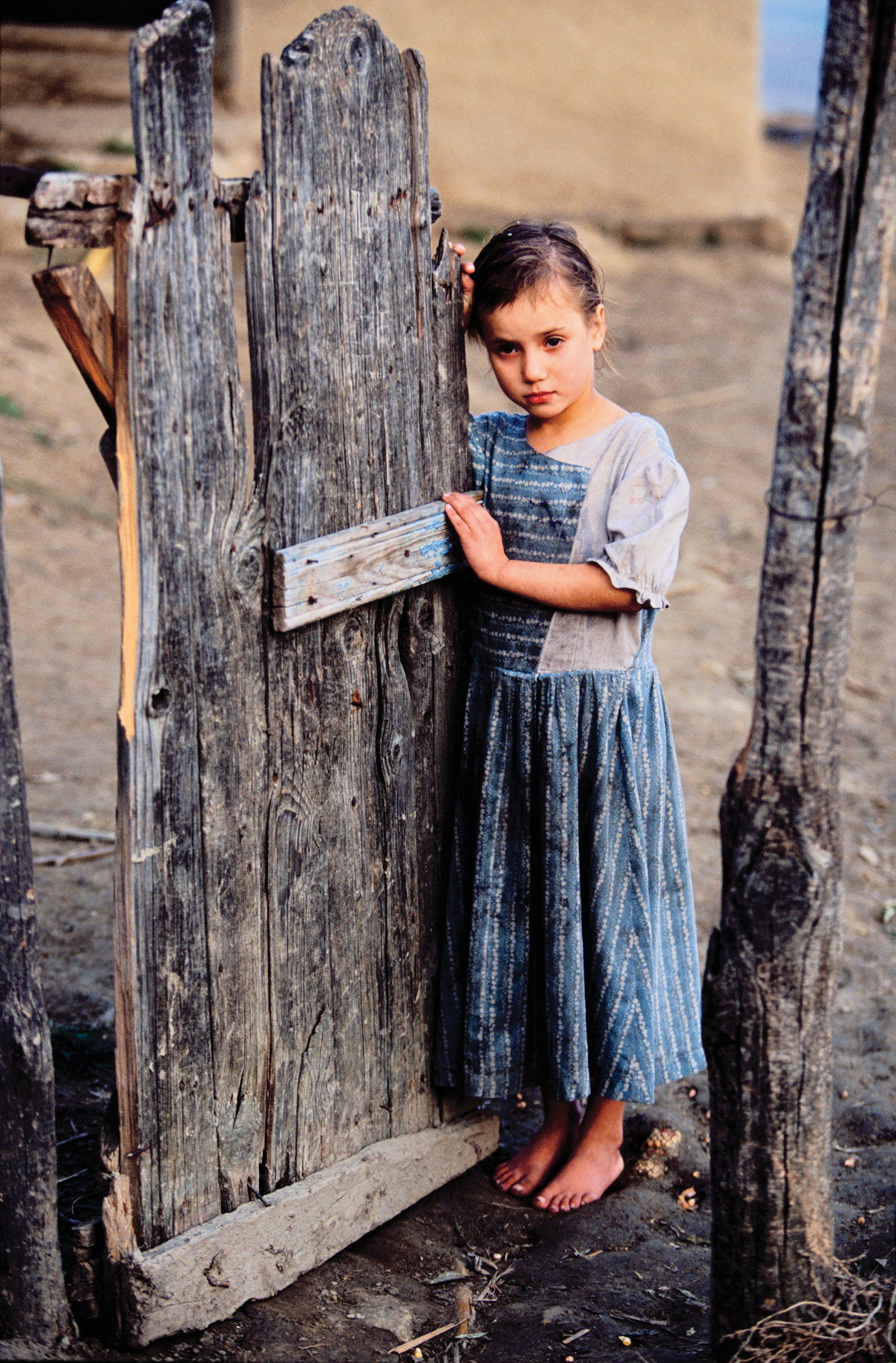
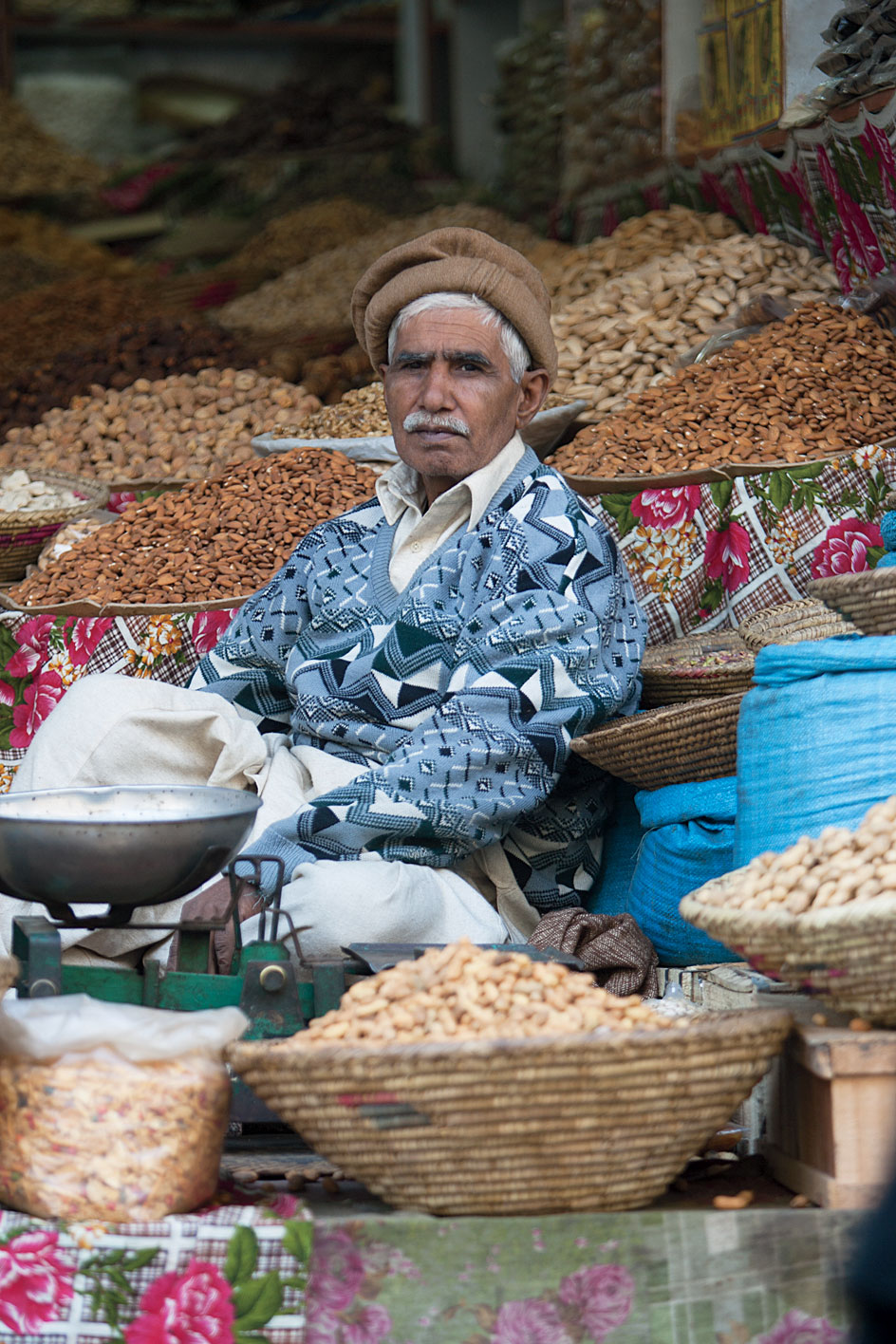
Buffett always travels with a camera. The following images showcase his work.
What distinguishes you and your foundation from other philanthropists and organizations?
Unlike the makeup of a private foundation, we don’t really have donors. We don’t have to go out and tell them how successful we are, what great work we did, or convince them that they ought to give us more money. We have one donor: my dad. We don’t have to make 100 or 200 or 500 people happy, which is a huge blessing. It’s the difference between being a private company and a public company.
What kind of flexibility does that provide?
We can make a lot of mistakes. We try to ask, What can we learn from doing things that other people aren’t doing? We’re worried about outcomes. You’ll find us in places where most people won’t go, and that means there’s a lot of risk. But our money should be the risk capital of philanthropy. Our money should go to the first places that no one else wants to go to.
What’s the biggest mistake you’ve made and what did you learn?
The one that’s cost us the most money and took us the longest to learn, too, was to stop thinking about projects and start thinking about outcomes. I really learned this in 2005, in Angola. It was a tipping point for me. We were in these villages in the Huambo province where people were literally dying. I mean, you could pick out the kids who wouldn’t be alive in a week. And I realized, in the end, even we don’t have enough money to deal with it on that basis.
Which sounds incredible coming from you.
What happens is that you can help maybe 500, 1,000, 5,000 people. And that’s great. But it doesn’t change anything. The other thing is that you eventually go home. So I started trying to figure out what else we could do. How do you change the underlying root problems? How do you reduce malnutrition? How do you get it so that people can feed themselves? So we’ve evolved. We’ve gone from the standard NGO model and that kind of project mentality where we thought we were having an impact, to realizing that that’s actually a false premise. What I’m most proud of is that we’ve learned to think bigger. We’ve learned to put more money to use more effectively, and promoting agriculture is the key.
You’ve traveled to about a dozen high-risk countries this year—and that’s a low number for you. Why do your boots need to be on the ground?
Every time I travel, I learn something. I don’t need to debate something with an academic who’s never been to Rwanda. I just need to be in Rwanda more.
What did you learn on your most recent trip to Africa?
In the DRC, it’s more dangerous now than it was a year ago. That’s interesting because the M23 rebels have been defeated and government troops are back on the ground, yet those dynamics aren’t really making anything safer. It’s very complex. The last few years, we’ve been making four or five trips a year there, just to understand what’s happening. Things can change very quickly. I’ve done this long enough to know I take away something different when I’m in the field, on the ground. I get a feel of the environment. What’s changing? Who’s in control? What are the risks? The only way you’re really going to understand what you’re investing in is to be there.
What do you feel can happen if you’re not being so involved?
It’s very easy to do harm in philanthropy, especially when you don’t understand the circumstances on the ground, the culture, the unintended consequences—or have a way to deal with them. You have to be careful and remember to go by the old saying, Do no harm.
What have you learned from your father?
We don’t have enough time for that. But he’s the reason making investments is so much more attractive than charity. I feel like that’s what he’s taught me. You want things to count. You want them to have impact. And he always says to operate in your circle of confidence. We don’t want to get outside into areas we don’t understand. We also keep a very lean staff.
Not unlike Berkshire Hathaway?
I think I have fewer people than he has at headquarters—not that I want to argue about that with him, because I know I’ll lose.
Do you ever talk with Warren before making a big investment?
Only if I’m just not 100 percent sure about something. There’s nobody better to ask for advice than him. But I have learned that if you ask for his advice, you’re going to have to take it. So I’m a little selective about what I ask.
What do you want to teach your son, Howard Jr., about giving?
To think about scale. You want to be able to do things in a big enough way that you’ll be able to have some kind of impact. And you also want to think about how you’re going to influence other people’s opinions that will change an outcome. Finding good partners—folks you can have honest conversations with—is key. We invest in people, not organizations.
How do you set your priorities?
There’s a lot of things we don’t get involved in. You won’t see us doing anything in health care. You won’t see us doing anything in education, unless it relates to agriculture. The hardest thing for me is to stay focused because you meet great people, you see cool ideas, and you go, “Wow, that would be neat.” And “I can afford to help that person.” It’s easy to get distracted.
What do you take from the business world to your foundation?
I expect people to perform. In the nonprofit world, people sometimes aren’t always held to real standards. But there’s also this idea that people should work for lower salaries, and, actually, that’s not a very good way to approach things. We’re trying to solve tough problems—as tough as any. People have been trying to solve them for a long time, and we haven’t had that much success yet. If you’re looking for the best talent—who’s going to work the hardest, who you can call 24/7—you don’t pay them less money than they can earn somewhere else. You might even pay them more!
How does your overall approach differ from, say, the Bill & Melinda Gates Foundation?
We function so differently than they do. They have a much bigger footprint. I mean, if you look at what we give away per person, we give away about three times the amount per person that they do. But then they give away a lot more money. They’re just big. They also happen to have a lot of processes in place that we don’t need to have.
What do you think of the Giving Pledge?
I’m not involved. Some people say it’s working; others don’t think it’s a good idea. No one is pressured into doing anything. One of the best stories that I heard come out of the Giving Pledge is how families, for the first time, are really sitting down with other generations and talking about wealth—what they want to do with it and how they’re going to do it.
Sounds like a familiar topic.
The biggest mistake you can make with wealth and kids is not communicate. If you want your kids to grow up a certain way, then you, as a parent, have to set the standard. One of the things my parents did—and this is why we have this foundation—is that they set the expectation that you have an obligation to help people who don’t have what you have.
What advice do you have for people who want to give but don’t have billions like you do?
That’s always a tough question, but I don’t think you should spread it around by doing a little bit here and there. Figure out that one thing you care about—maybe it’s wildlife or malnutrition or health care or education—and then focus on that cause. Do the best homework you can do, and find that person or organization you think does a great job executing a vision.
This interview has been condensed and edited.